

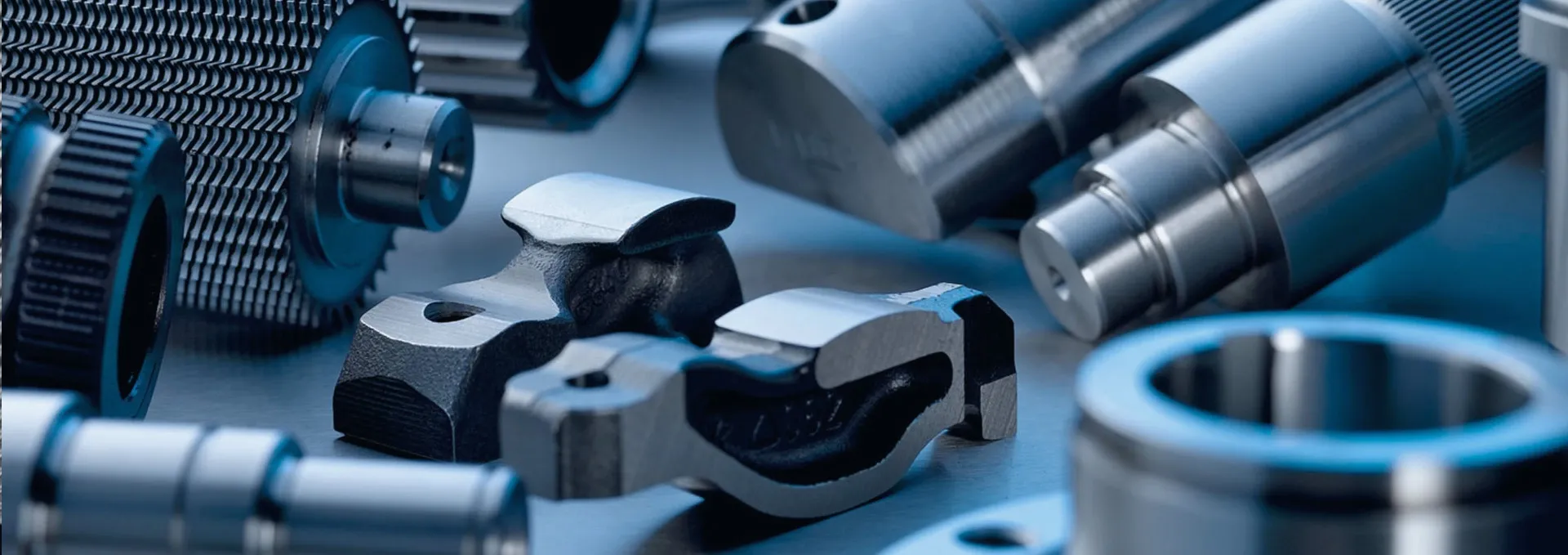
Thread Rolling Tool: Faster, Precise, Durable: Why Us?
Inside the shop floor: a practical look at the thread rolling tool everyone’s asking about
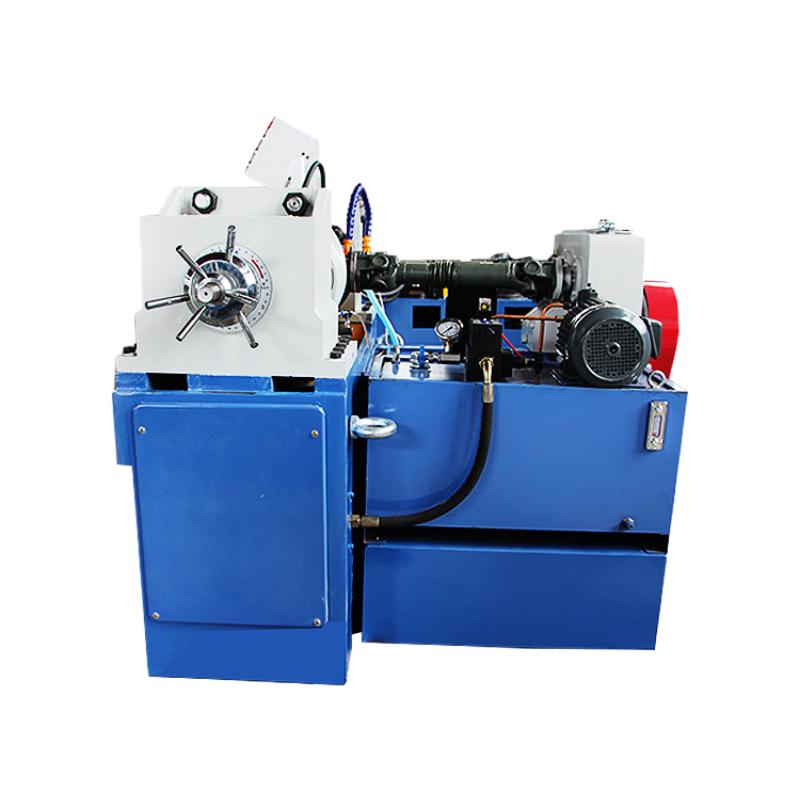
I’ve spent enough late nights around production lines to know when a machine earns quiet respect. The Z28-150 from MoteTools is one of those. Built in XingWan Industrial Zone, Xingtai City (Hebei, China), it’s a compact, surprisingly tough unit for nuts, bolts, and threaded rods. And yes, it’s the kind of thread rolling tool that keeps cycle times reasonable without chewing through dies.
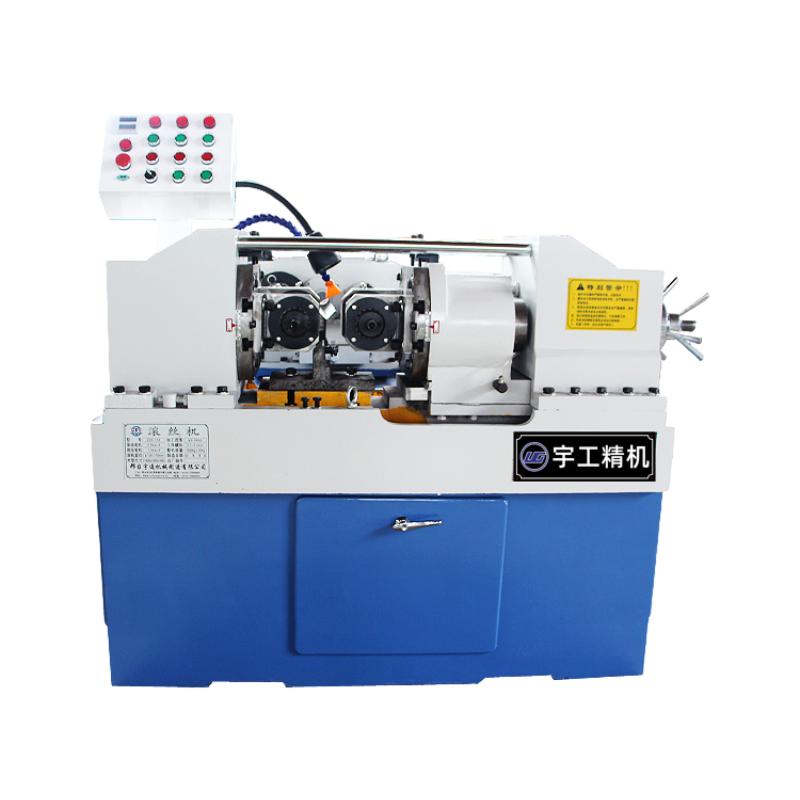
What’s trending in thread rolling (and why it matters)
Across automotive fasteners, solar racking, and construction anchors, I’m seeing a tilt back to cold-formed threads. The reason is simple: rolled threads improve fatigue performance and keep material savings in check. Many customers say they switched from cut threads and immediately noticed fewer field returns—small sample size, sure, but it tracks with the metallurgy. Also, with labor getting pricier, shops want stable setups. A capable thread rolling tool with decent hydraulics and good coolant management pays for itself.
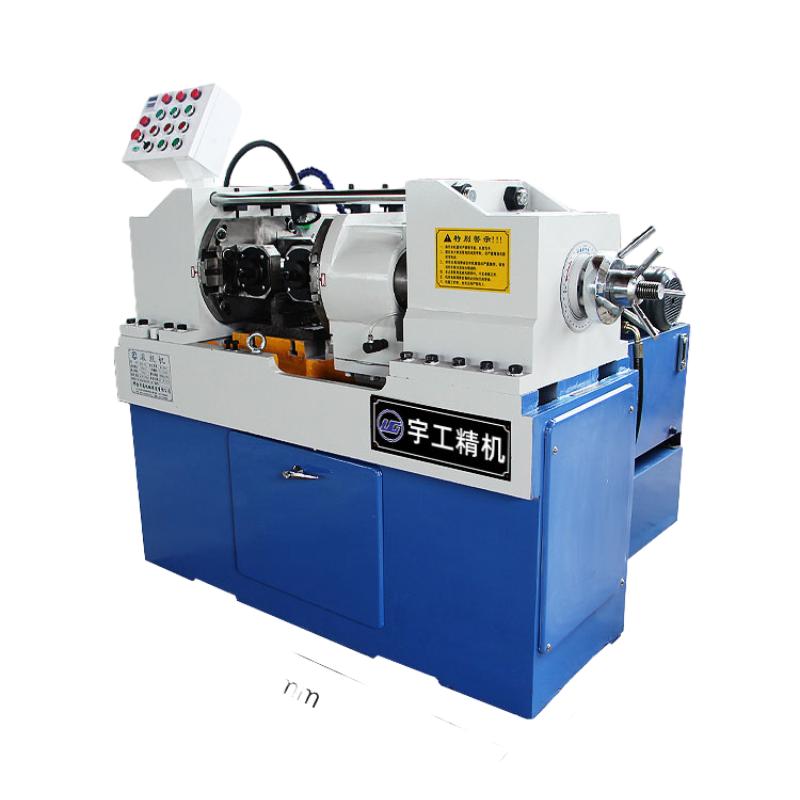
Core specifications (Z28-150)
| Model | Z28-150 Automatic nut and bolt threading rod machine |
| Diameter range | Ø 6–42 mm |
| Pitch range | 1–5 mm (metric); UNC/UNF achievable with matching dies |
| Main / Hydraulic / Cooling | 5.5 kW / 1.5 kW / 90 W |
| Machine size / Weight | 1600 × 1550 × 1445 mm / 1800 kg |
| Supported standards | ISO metric (DIN 13/ISO 965), UNC/UNF (ASME B1.1), custom BSP on request |
Where it’s used
Automotive studs and suspension bolts, wind and solar mounting hardware, rebar couplers, general hardware, and pipeline supports. In fact, one fabricator told me their scrap rate on stainless M12 tie rods dropped by “around 30%” after moving to a thread rolling tool setup.
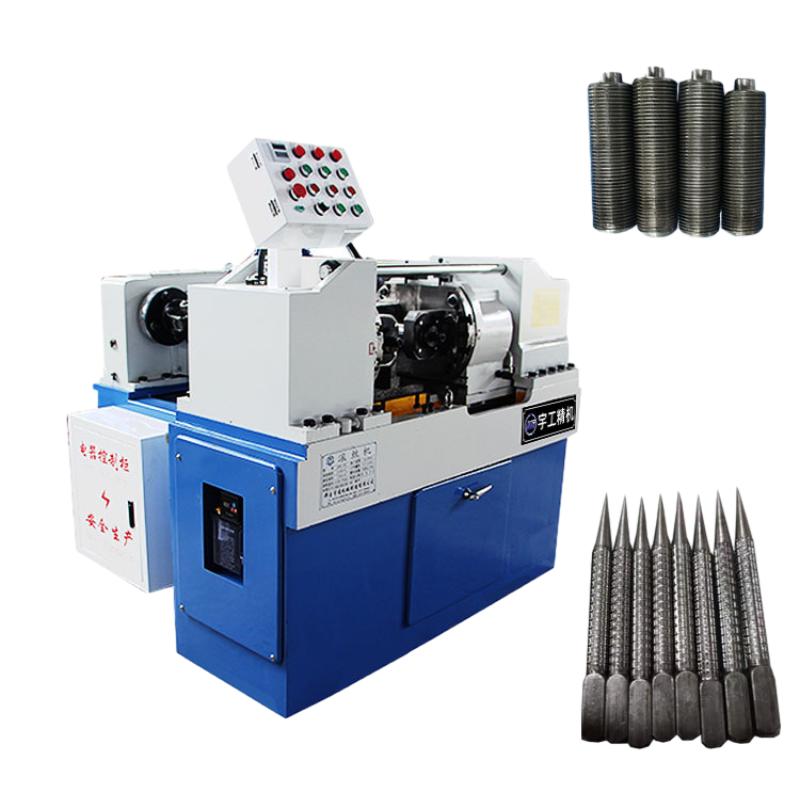
Process flow, methods, and real-world checks
- Materials: C45, 40Cr, 35CrMo, 304/316; dies typically Cr12MoV/SKD11, vacuum heat-treated to ≈ HRC 58–62.
- Setup: die alignment (parallelism ≤ 0.02 mm), hydraulic pressure tuning, coolant 5–8% emulsion.
- Rolling: two-roll or flat-die feed; cold forming strengthens roots via work hardening.
- Testing standards: threads gauged to ISO 965/DIN 13; inch threads to ASME B1.1; bolt joints validated per VDI 2230 concepts.
- Typical QC data (shop-floor, may vary): pitch deviation ≤ 0.015 mm/25 mm; Ra ≈ 1.6–3.2 μm; tensile fatigue improvement ≈ 10–30% vs cut threads.
- Service life: die life ≈ 60k–150k parts on carbon steel; ≈ 30k–80k on stainless, depending on lube and operator care.
Advantages I’ve noticed
Stronger thread roots, better surface finish, faster cycles, and fewer chips to manage. The hydraulic system on this thread rolling tool also feels forgiving—nice for teams still climbing the learning curve.
Vendor comparison (field-notes style)
| Vendor | Capacity / Notes | Lead time | Certs / Support |
|---|---|---|---|
| MoteTools Z28-150 | Ø 6–42 mm; solid hydraulics; good value | ≈ 20–35 days | ISO 9001 plant; remote commissioning help |
| Euro Brand (Model 25T) | Ø up to 36 mm; premium enclosure | ≈ 6–10 weeks | CE; pricey spare parts |
| Local Retrofit Shop | Used base with new hydraulics; budget | ≈ 2–6 weeks | Mixed documentation; hands-on service |
Customization and integration
Die sets for metric/UNC/UNF and oddball pitches, auto feeders, safety light curtains, and oil-mist extraction. PLC tweaks for line sync are doable. I guess the sweet spot is pairing this thread rolling tool with a bar feeder and a simple gauge station right after discharge.
Quick case study
A fastener plant rolling M20 × 2.5 studs (40Cr, QT) reported takt improvement from 11.2 s to 8.9 s/pc after dialing in coolant and die angle. Gauge pass rate rose to 98.6% over a 5k-piece run; no catastrophic die wear observed. Not scientific, but encouraging.
Citations:
- ISO 965-1: ISO general purpose metric screw threads — Tolerances.
- ASME B1.1: Unified Inch Screw Threads (UN and UNR Thread Form).
- ISO 9001: Quality management systems — Requirements.
- VDI 2230: Systematic calculation of high duty bolted joints.