

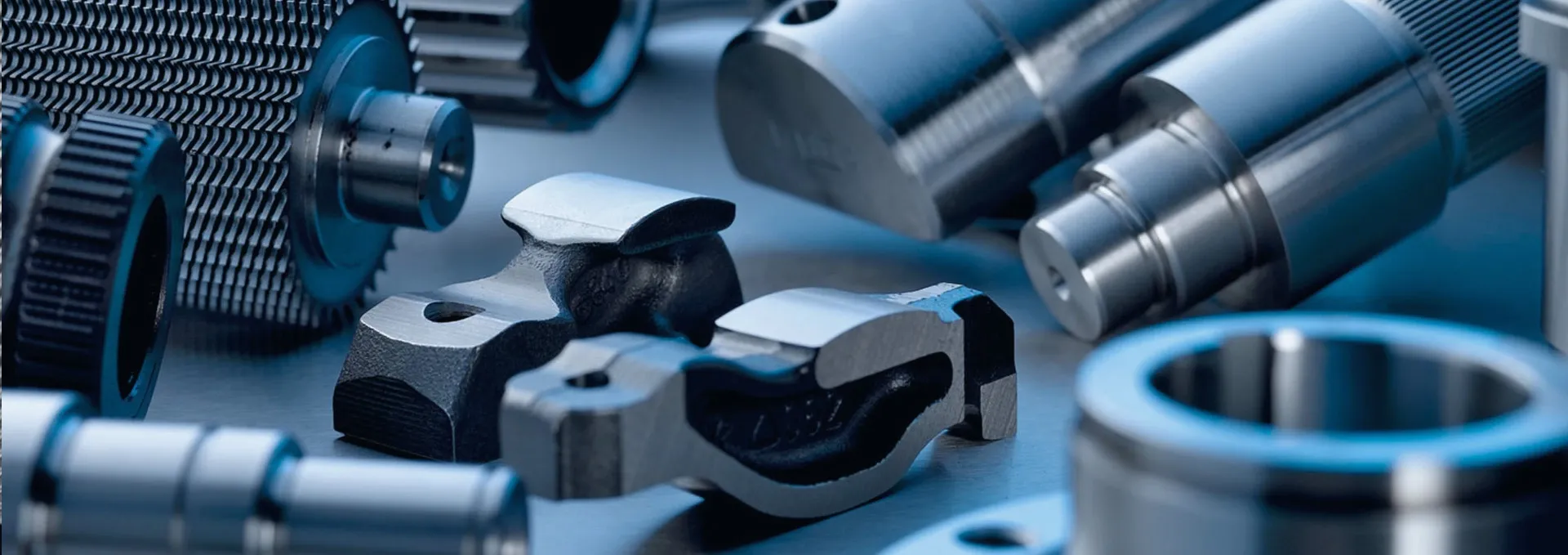
Exploring Leading Circular Thread Rolling Machine Companies for Optimal Production
Navigating the World of Circular Thread Rolling Machine Companies
Circular thread rolling machines are essential for high-volume, precise thread production across diverse industries. Selecting the right supplier is critical for ensuring consistent quality, efficiency, and cost-effectiveness. This article will guide you through the landscape of circular thread rolling machine companies, outlining key considerations, leading manufacturers, and essential features to look for. Understanding the nuances of these machines will empower you to make an informed decision that optimizes your production processes. From automotive and aerospace to construction and general engineering, reliable thread rolling is paramount for component integrity and overall product performance.
Key Factors When Choosing a Circular Thread Rolling Machine Company
When evaluating potential suppliers of circular thread rolling machines, several factors demand careful attention. Machine Capacity – ensure the machine can handle the size and volume of parts you require. Material Compatibility – verify the machine’s ability to process the specific materials used in your applications. Precision and Accuracy – this is vital for maintaining consistent thread quality and minimizing rejects. Automation Levels – consider the degree of automation needed to optimize efficiency and reduce labor costs. After-Sales Service & Support – responsive technical support, readily available spare parts, and comprehensive training are essential for minimizing downtime. Finally, Reputation and Experience – choose companies with a proven track record of delivering reliable, high-performance machines. A thorough assessment based on these criteria will significantly increase your chances of a successful investment.
Key Highlights: Prioritize companies offering comprehensive support, customizable solutions, and a strong commitment to innovation. Look for those demonstrating a deep understanding of your specific industry needs.
A Comparison of Leading Circular Thread Rolling Machine Companies
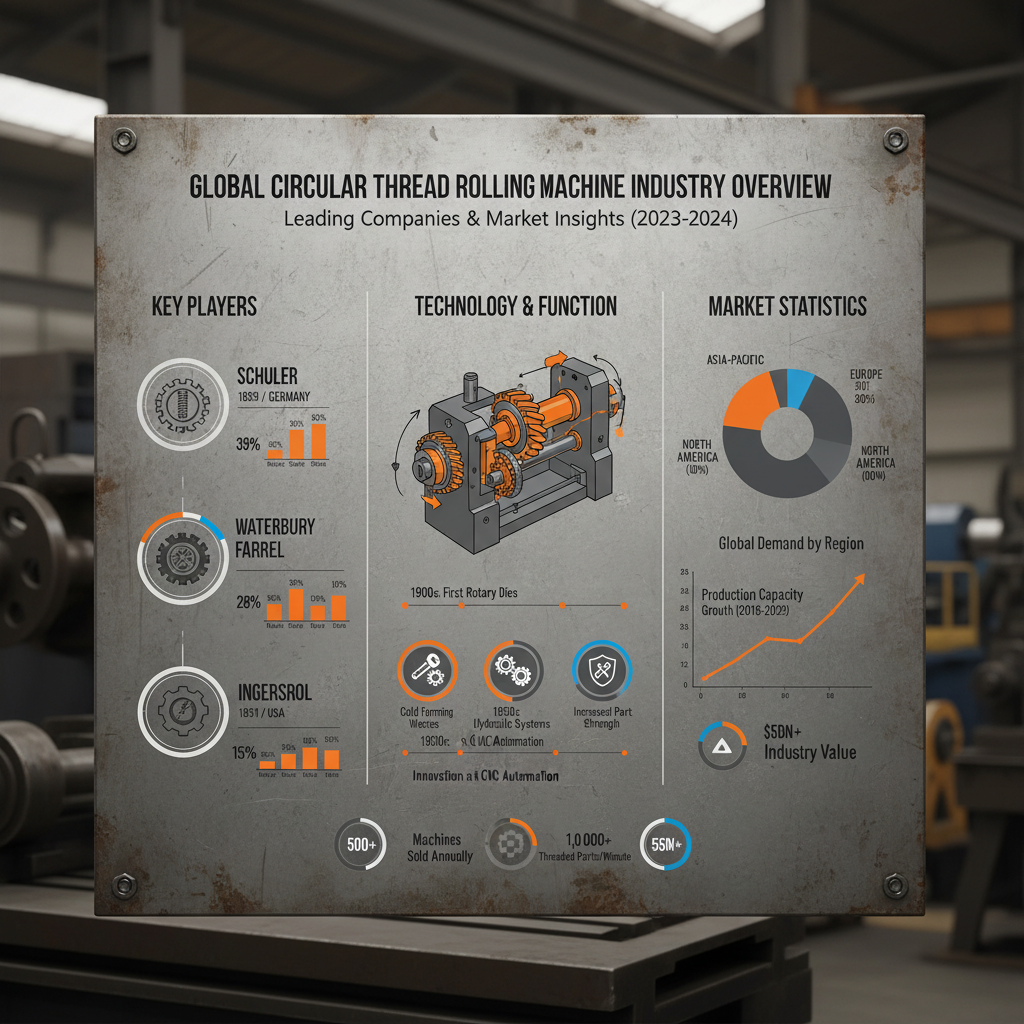
The global market for circular thread rolling machines features a diverse range of companies, each with its own strengths and specializations. Some prominent players include Motetools, Promotech, Kinefac, and Rollmax. Motetools often excels in offering customized solutions tailored to specific customer requirements, while Promotech is known for its robust and reliable machines suited for high-volume production. Kinefac provides precision machines often utilized in aerospace applications, and Rollmax focuses on cost-effective solutions for general engineering. The ideal choice depends heavily on your specific needs and budgetary constraints. Evaluating each company based on its technical capabilities, service offerings, and customer testimonials is crucial.
Key Comparison Points:
• Customization Capabilities
• Production Volume Suitability
• Industry Specialization
• After-Sales Support
Understanding Different Types of Circular Thread Rolling Machines
Circular thread rolling machines come in various configurations, each optimized for specific applications. Planetary Machines utilize a rotating die head with multiple rolling dies, offering high production rates and versatility. Star Machines employ a star-shaped die head for efficient multi-point rolling, ideal for smaller parts. Fixed Die Machines feature a stationary die head, providing high precision and stability, often used for specialized applications. The choice of machine type depends on factors such as part size, production volume, material type, and desired level of automation.
The Role of Automation in Circular Thread Rolling
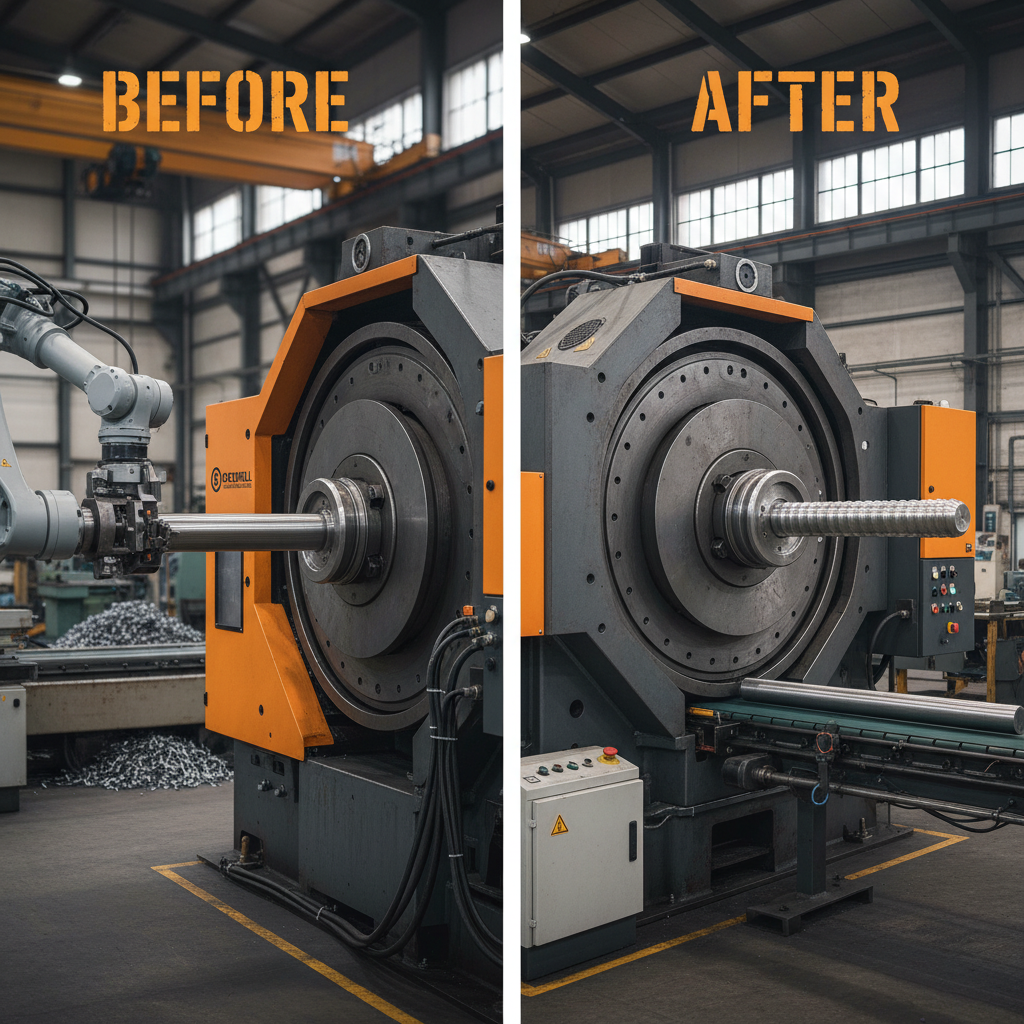
Integrating automation into your circular thread rolling process can dramatically improve efficiency, reduce labor costs, and enhance product consistency. Automated features include automatic part loading and unloading, in-process inspection systems, and robotic handling. Full automation eliminates manual intervention, minimizing the risk of human error and maximizing throughput. Investing in automated systems often results in a quicker return on investment due to increased productivity and reduced operational expenses. Motetools, for example, offers solutions that incorporate advanced automation technologies for seamless integration into existing production lines.
Future Trends in Circular Thread Rolling Machine Technology
The circular thread rolling machine market is continually evolving, driven by advancements in materials science, automation, and data analytics. We can expect to see increased integration of Industry 4.0 technologies, such as machine learning and predictive maintenance, to optimize machine performance and minimize downtime. Furthermore, the development of more versatile and energy-efficient machines is gaining momentum. The focus is shifting towards smart manufacturing solutions that deliver greater flexibility, precision, and sustainability. Staying abreast of these trends is crucial for maintaining a competitive edge in today’s rapidly changing manufacturing landscape.
Conclusion: Selecting the Right Partner for Your Thread Rolling Needs
Choosing the right circular thread rolling machine and a reliable circular thread rolling machine company is a critical investment. By carefully considering your specific requirements, evaluating different options, and prioritizing factors such as quality, service, and automation, you can optimize your production processes and achieve long-term success. Don’t hesitate to seek expert advice and explore customized solutions to ensure a perfect fit for your needs.
Frequently Asked Questions (FAQs)
What maintenance is typically required for circular thread rolling machines?
Regular maintenance is crucial for ensuring optimal performance and longevity. This includes daily lubrication of moving parts, periodic inspection of rolling dies for wear and tear, and routine checks of the machine’s hydraulic and pneumatic systems. It is also important to keep the machine clean and free of debris. Following the manufacturer's recommended maintenance schedule will help prevent costly breakdowns and extend the life of your investment. Companies like Motetools provide comprehensive maintenance programs and readily available spare parts.
What materials can be thread rolled using circular machines?
Circular thread rolling machines are versatile and can process a wide range of materials, including carbon steel, alloy steel, stainless steel, aluminum, brass, and even some plastics. The specific material compatibility depends on the machine’s design, die materials, and rolling parameters. However, certain materials, such as high-strength alloys, may require specialized dies and rolling techniques. Consulting with a machine supplier is essential to ensure compatibility with your specific materials.
How does thread rolling compare to other threading methods?
Thread rolling offers several advantages over traditional threading methods like cutting or chasing. It's a cold-forming process that strengthens the material, resulting in higher fatigue resistance and improved thread quality. Thread rolling is also significantly faster and more cost-effective for high-volume production. Furthermore, it generates less material waste compared to cutting methods. While chasing might be suitable for prototyping or small batches, thread rolling is generally the preferred choice for large-scale production environments.
What is the typical lead time for a custom circular thread rolling machine?
The lead time for a custom-built machine varies depending on the complexity of the design, the availability of components, and the manufacturer’s current workload. Typically, it can range from 12 to 24 weeks. It's essential to discuss your requirements with the supplier and establish a clear timeline upfront. Factors such as machine capacity, automation level, and specific customization requests will all influence the overall lead time. Companies like Motetools prioritize clear communication and strive to deliver machines within agreed-upon timelines.