

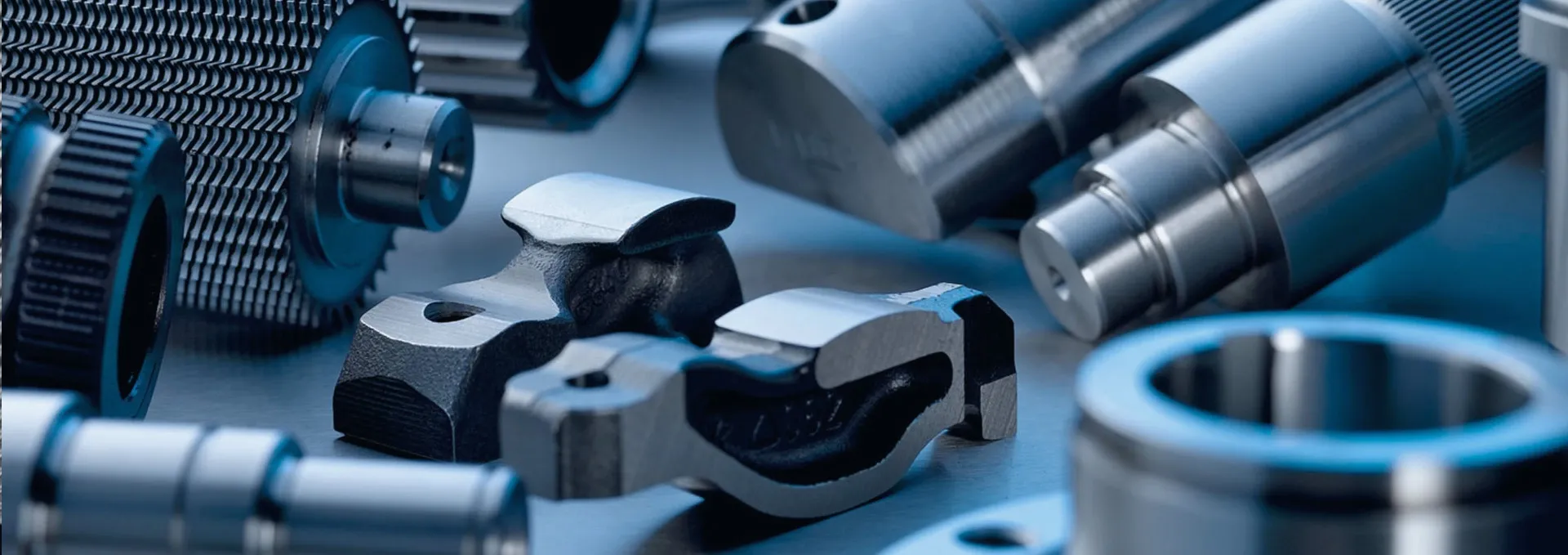
Roll Thread Machine – High-Precision, Heavy-Duty, Fast
Automatic Rebar Spoke Thread Rolling Machine: Field Notes from the Shop Floor
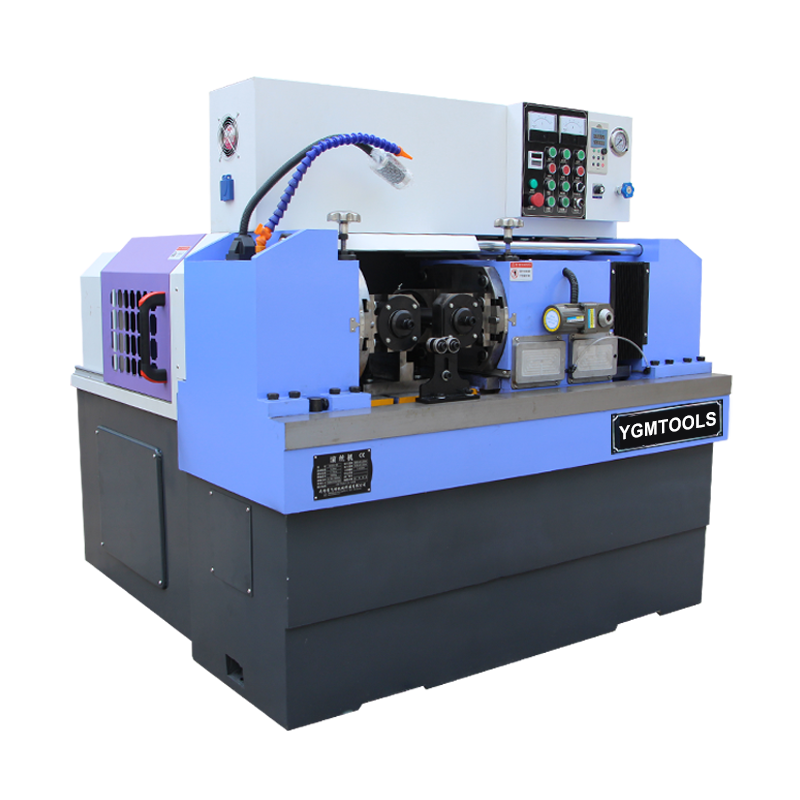
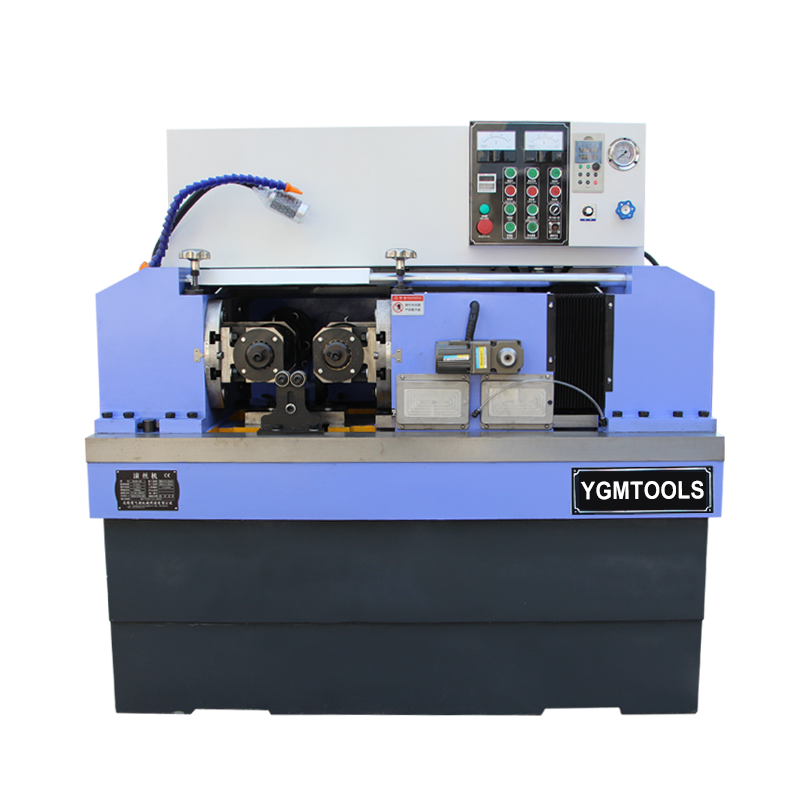
If you work around reinforcement bars, wheel spokes, or anchor systems, chances are you’ve noticed a quiet shift: more shops are switching from cut threads to rolled threads. The reason is simple—strength, speed, and finish. Here’s a closer look at a Roll Thread Machine I’ve been watching closely this year, built in XingWan Industrial Zone, Xingtai City, Hebei, China.
Why roll threading? The fast take
Cutting removes material; rolling displaces it. In practice, you keep grain flow, boost fatigue life, and usually get a cleaner surface. Many customers say the rolled threads handle shock loads better, especially on 10–20 mm rebar couplers. Honestly, once operators see the cycle time, they rarely go back.
ZA28-20 at a glance (technical specs)
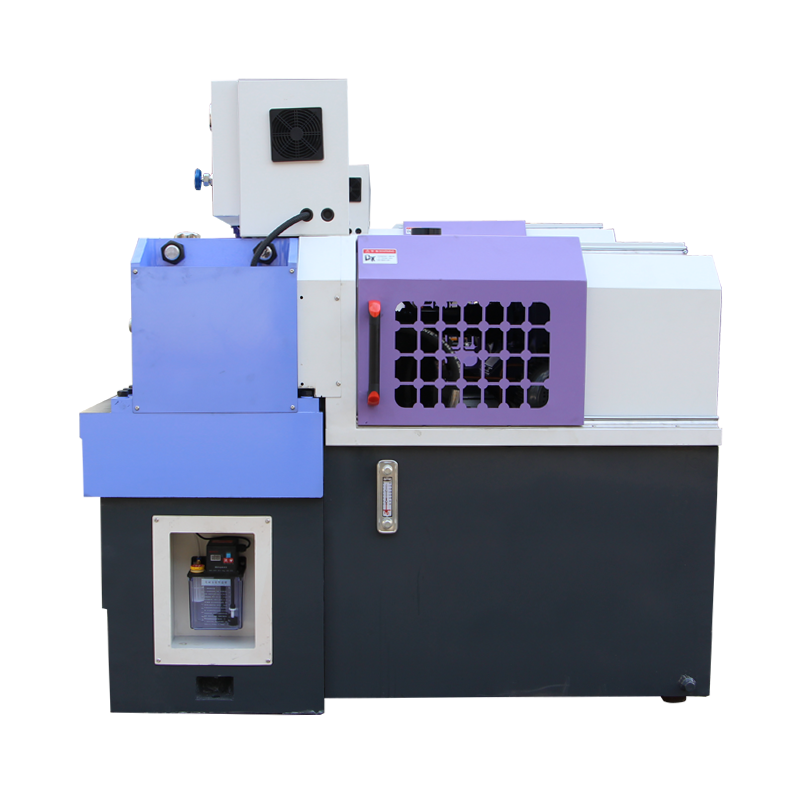
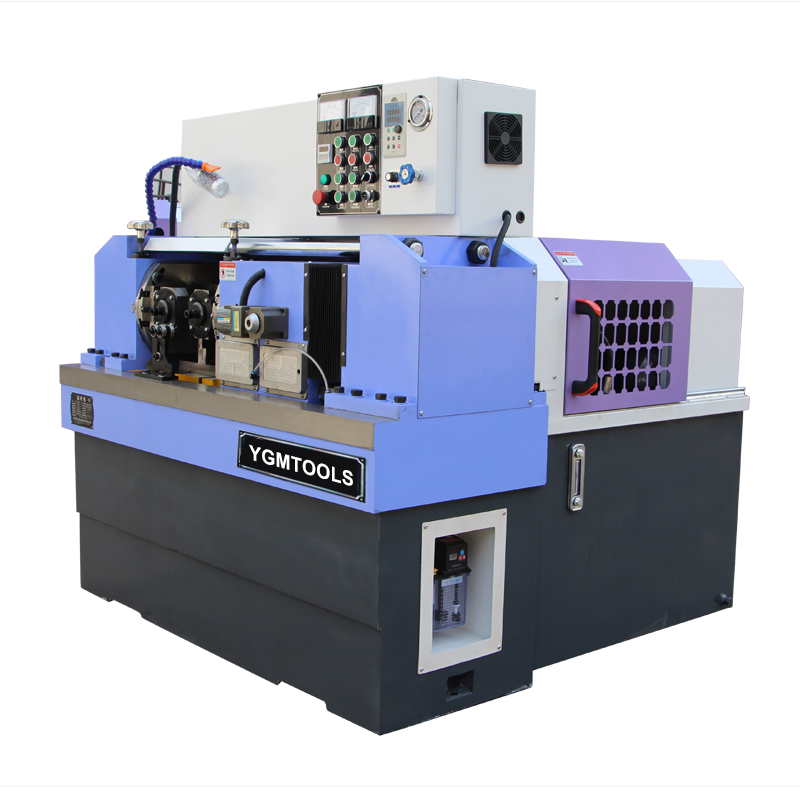
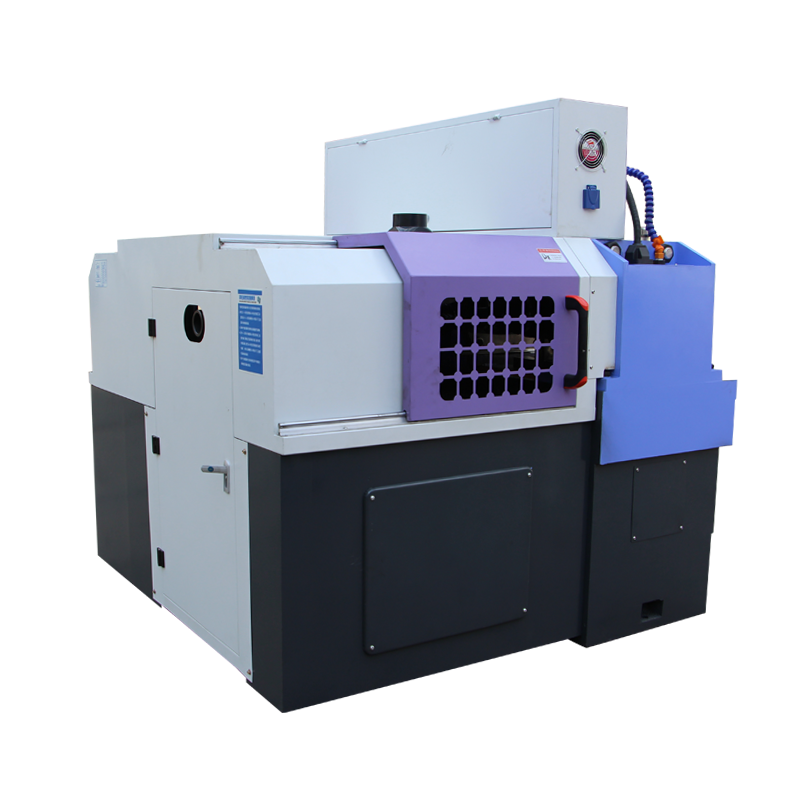
This Roll Thread Machine—model ZA28-20—has a sensible mix of power and footprint for construction yards and spoke workshops.
| Parameter | Spec (≈ real-world use may vary) |
|---|---|
| Process diameter | 5–42 mm |
| Pitch range | 1–5 mm |
| Main motor | 7.5 kW |
| Hydraulic motor | 1.75 kW |
| Cooling power | 90 W |
| Size (L×W×H) | 1500 × 1510 × 1520 mm |
| Weight | ≈ 1900 kg |
Process flow and standards
Materials: HRB400/500 rebar, low-carbon steel spokes, 1045 shafts.
Steps: (1) Cut-to-length and chamfer ends; (2) Set rolling dies and pitch; (3) Flood with EP rolling oil; (4) Two- or three-die synchronous rolling; (5) Deburr and wipe; (6) QC gauge and hardness spot check.
Testing: Thread gauges to ISO 965-1/2; profile to ISO 68-1; tensile per ASTM A370 witness samples; surface roughness ≈ Ra 1.6–3.2 µm; hardness check per HB/HRC as needed. Typical die life is around 80,000–120,000 cycles, depending on bar rib profile and lube discipline.
Applications, advantages, feedback
- Industries: construction couplers, precast inserts, bicycle/motorcycle spokes, anchor bolts, energy fasteners.
- Advantages: +10–25% fatigue strength vs. cut threads; faster cycle times; consistent 6g/6H class fit on metric threads (with proper setup).
- Customer notes: “Surprisingly quiet hydraulics,” one foreman said; “pitch changeover under 15 minutes,” another reported.
Certifications often requested: ISO 9001 QMS, CE (Machinery Directive), and material traceability (mill certs). The maker offers customization on dies, infeed supports, and guarding—handy for on-site yards.
Case snapshots
Case A (Urban rail project): 20–32 mm couplers, M-thread, pitch 2–3 mm; throughput ≈ 280 pieces/shift; failure rate under 1.5% after operator training.
Case B (Spoke fab): 5–8 mm spokes, fine pitch; cosmetic finish improved, scrap down by ~12% month-over-month after switching lube grade.
Vendor landscape (quick compare)
| Vendor | Capacity | Power | Certs | Lead time |
|---|---|---|---|---|
| MOTE ZA28-20 | Ø 5–42 mm, pitch 1–5 | 7.5 kW + 1.75 kW | ISO 9001, CE (by request) | ≈ 20–35 days |
| Tesker (typical) | Ø up to ~50 mm | Varies by model | ISO 9001 | Quote-based |
| Yieh Chen (typical) | Light–medium duty | Varies | CE, ISO 9001 | Quote-based |
Final thoughts
The Roll Thread Machine from Xingtai isn’t flashy; it’s practical. If your workload sits in the 5–42 mm band and you want predictable class-fit threads with better fatigue performance, this platform is worth a test run. To be honest, success will still hinge on die quality, lube housekeeping, and operator training—but that’s true across the board.
Authoritative references
- ISO 68-1: Basic profile for ISO general-purpose metric screw threads.
- ISO 965-1/2: General purpose metric screw threads—Tolerances.
- ASTM A370: Standard Test Methods and Definitions for Mechanical Testing of Steel Products.
- ISO 9001: Quality Management Systems—Requirements.
- 2006/42/EC: EU Machinery Directive (CE marking framework).
- GB/T 192-2003: General purpose metric screw threads—Basic profile (China).