

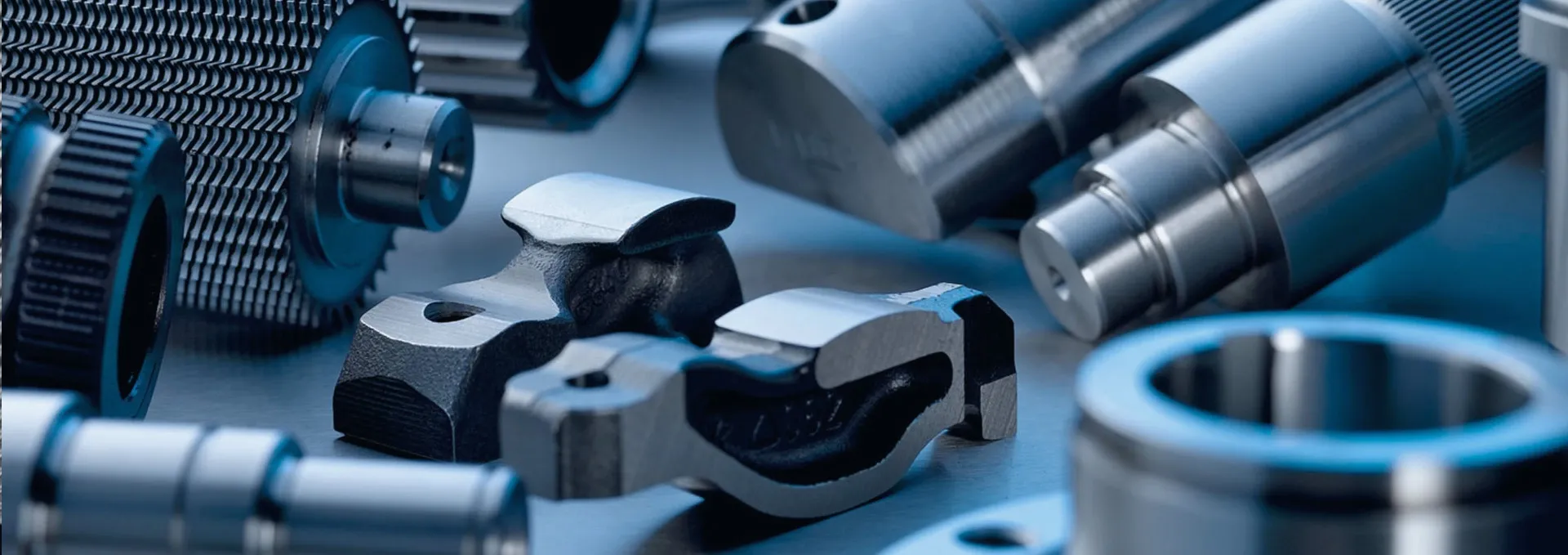
Bolt Thread Rolling Machine Factories: Precision Manufacturing for a Global Industry
Bolt Thread Rolling Machine Factories: Powering Precision in Manufacturing
In today’s global manufacturing landscape, bolt thread rolling machine factories are quietly at the heart of countless industries—from automotive to aerospace, construction to electronics. Why? Because these specialized factories produce the machinery that forms the threads on bolts rapidly, precisely, and reliably, without cutting or wasting metal. Understanding these factories and their role isn’t just for engineers; it helps us appreciate the industrial backbone supporting everything from bridges that hold cities together to the devices in our daily lives.
Global Industry Context
Globally, the manufacturing sector accounts for roughly 16% of the world’s GDP according to the World Bank, and fasteners—like bolts—are tiny but essential components within that vast figure. The ISO estimates that over a trillion fasteners are produced annually worldwide, a staggering number to consider. Most bolts require threading, and rolling them instead of cutting threads leads to stronger, more fatigue-resistant products, boosting safety and durability. Yet, the production of bolt thread rolling machines themselves is concentrated in a limited number of factories across Asia, Europe, and North America, which represents an industry challenge: how to scale efficiently while adapting to technological advances.
At a glance, the complexity of thread rolling—combining high precision mechanics and advanced materials—means that bolt thread rolling machine factories are critical to innovation and quality in global supply chains. They tackle issues such as increased demand for sustainable manufacturing and faster production rates.
What Are Bolt Thread Rolling Machine Factories?
Simply put, these factories design, build, and test machines specialized in rolling threads onto bolts. Thread rolling itself is a cold-forming process that plastically deforms the bolt’s surface to form threads, rather than cutting away material. This results in stronger threads with improved surface finish and fatigue resistance.
More than just factories producing machines, they are hubs of mechanical engineering expertise, involving metalworking, automation, and control systems. These are vital when upstream industries—from construction to heavy machinery manufacturing—demand bolts that do more, last longer, and meet strict safety guidelines.
Key Components of Bolt Thread Rolling Machine Factories
1. Durability and Precision Engineering
A factory’s capacity to produce machines that withstand high-volume production cycles while maintaining micrometer-level precision matters a lot. Rolling threads requires exact die alignment and force control—any variance can cause product defects or downtime.
2. Scalability of Production
Modern factories often equip themselves with modular manufacturing lines so they can ramp output quickly when orders surge, especially to support automotive or aerospace manufacturers launching new designs.
3. Cost Efficiency & Energy Use
Energy consumption is a big consideration. Because thread rolling is less wasteful than threading by cutting, these machines themselves must be energy-efficient to maintain overall sustainability. Better tooling materials and servo-driven motors help with this balance.
4. Integration of Digital Controls and IoT
Factories today incorporate Industry 4.0 principles: sensors embedded in rolling machines monitor wear and process parameters continuously, feeding data to operators for preventative maintenance—reducing downtime and optimizing performance.
5. Quality Assurance & Testing
Before dispatch, machines undergo rigorous testing for torque, gear precision, and cycle speed. These measures are crucial to ensure the thread profiles they produce meet global standards like ISO 898-1.
Product Specification Table: Typical Bolt Thread Rolling Machine
| Specification | Details |
|---|---|
| Thread Diameter Range | M3 to M36 (metric), 1/8" to 1 1/4" (imperial) |
| Rolling Speed | up to 120 bolts/minute |
| Power Consumption | 3–7 kW (servo-motor driven) |
| Control System | PLC with touchscreen interface and IoT connectivity |
| Approximate Weight | 1200 kg |
Global Applications & Use Cases
- Automotive Manufacturing: Thread rolling machines supply bolts needed for engine assembly lines worldwide, especially in high-volume plants across Germany, Japan, and the US.
- Construction Industry: Heavy steel structures in Asia and the Middle East rely on rolled-thread bolts for critical joints that require superior load resistance.
- Post-Disaster Relief: In scenarios where rapid rebuilding is essential, factories supporting thread rolling machines ensure structural fasteners are available with guaranteed strength and durability standards.
- Remote Industrial Locations: Some northern and desert regions depend on robust bolts for machinery that operates under harsh conditions—rolled threads offer longer lifespan and fewer failures.
Many engineers I know point out that without these factories, or if thread rolling machines fail, entire supply chains can bottleneck, affecting everything downstream.
Vendor Comparison Table: Leading Bolt Thread Rolling Machine Manufacturers
| Vendor | Country | Price Range | Automation Level | Customer Support |
|---|---|---|---|---|
| Mote Tools | China | $45,000–$80,000 | High (IoT-enabled) | Excellent, multilingual |
| ThreadPro | Germany | $60,000–$100,000 | Medium (PLC-based) | Strong local support |
| RollTech | USA | $50,000–$90,000 | Medium (Manual overrides) | Comprehensive training |
Advantages & Long-Term Value
The uplift in product lifespan due to rolled threads translates into lower maintenance costs, fewer failures, and importantly, higher safety margins. The eco-friendly aspect of reduced machining waste is also noteworthy. Frankly, it’s a win-win: factories produce more reliable fasteners while using less energy and raw materials.
The social impact here shouldn't be overlooked either. Workers and end-users benefit from innovations in bolt manufacturing that improve safety and trustworthiness in infrastructure. The subtlety of these benefits reveals itself over decades—but they’re foundational for modern industry.
Future Trends & Innovations
Looking forward, the integration of AI-driven predictive maintenance, greener motor technologies, and additive manufacturing to create custom rolling dies is shaping the next wave of bolt thread rolling machine factories. We’re also seeing a push toward modular machines that adapt quickly to diverse bolt types and sizes, reflecting industry demands for flexibility.
Moreover, some factories are pioneering closed-loop recycling for worn tooling materials, aiming to reduce their environmental footprint even further. Oddly enough, the adoption of cloud computing platforms allows remote diagnostics to optimize uptime globally, a crucial innovation in the post-pandemic supply chain era.
Challenges & Solutions
Despite these advances, challenges remain. High initial machine costs can be prohibitive for small-to-medium manufacturers. Also, skilled labor to maintain precision equipment is becoming scarce in some regions. Factories respond by offering better training, remote support, and tiered models that scale more affordably.
Furthermore, adapting machines to handle exotic materials—like high-strength alloys used in aerospace—requires ongoing R&D investment. Collaboration between machine makers, material scientists, and end users seems crucial here.
FAQ: Practical Questions About Bolt Thread Rolling Machine Factories
- Q: What is the main difference between thread rolling and cutting?
A: Thread rolling forms threads by deforming the metal using dies, creating stronger, more fatigue-resistant threads without waste. Thread cutting removes material, generating chips and often weaker threads. - Q: How energy-efficient are modern bolt thread rolling machines?
A: Newer machines with servo motors and optimized tooling consume 20-30% less power compared to older models, contributing to greener manufacturing processes. - Q: Can bolt thread rolling machines handle non-metal materials?
A: Generally designed for metals, some machines can be adapted for hard plastics or composites. However, material suitability depends on machine configuration and tooling. - Q: How do factories ensure the quality of rolled threads?
A: Through precision engineering, frequent calibration, inline sensors, and adherence to standards such as ISO 898-1, plus end-product testing. - Q: Are there eco-friendly practices in bolt thread rolling factories?
A: Yes, including energy-efficient motors, recycling of worn parts, reduced raw material waste compared to cutting, and adoption of Industry 4.0 for optimized resource use.
Conclusion
To sum it up, bolt thread rolling machine factories are unsung heroes in the quest for stronger, safer, and more sustainable manufacturing worldwide. They combine engineering precision, advanced materials, and innovative automation to meet the ever-growing demand for reliable fasteners.
Whether you’re a procurement specialist, engineer, or an industry observer, recognizing their importance—and staying informed about their advancements—can offer significant strategic insight.
Want to learn more or explore solutions? Visit https://www.motetools.com for cutting-edge bolt thread rolling machine options and expert guidance.
In closing, I always find it fascinating how something as ‘small’ as thread rolling profoundly influences so many huge industries and our everyday safety.