
Comprehensive Guide to Selecting the Best Roller Threading Machine Factories
Roller Threading Machine Factories: A Comprehensive Guide
Finding the right roller threading machine factory is crucial for businesses relying on precise and efficient threading processes. This article provides a detailed overview of what to look for in a manufacturer, key considerations when choosing a supplier, and the benefits of partnering with a reputable factory. We’ll explore the various types of machines available, important specifications, and how to ensure quality control. Efficient threading is essential for producing durable and reliable connections in various industries, and selecting the right manufacturer is the first step toward achieving that goal.
Understanding Roller Threading Machines
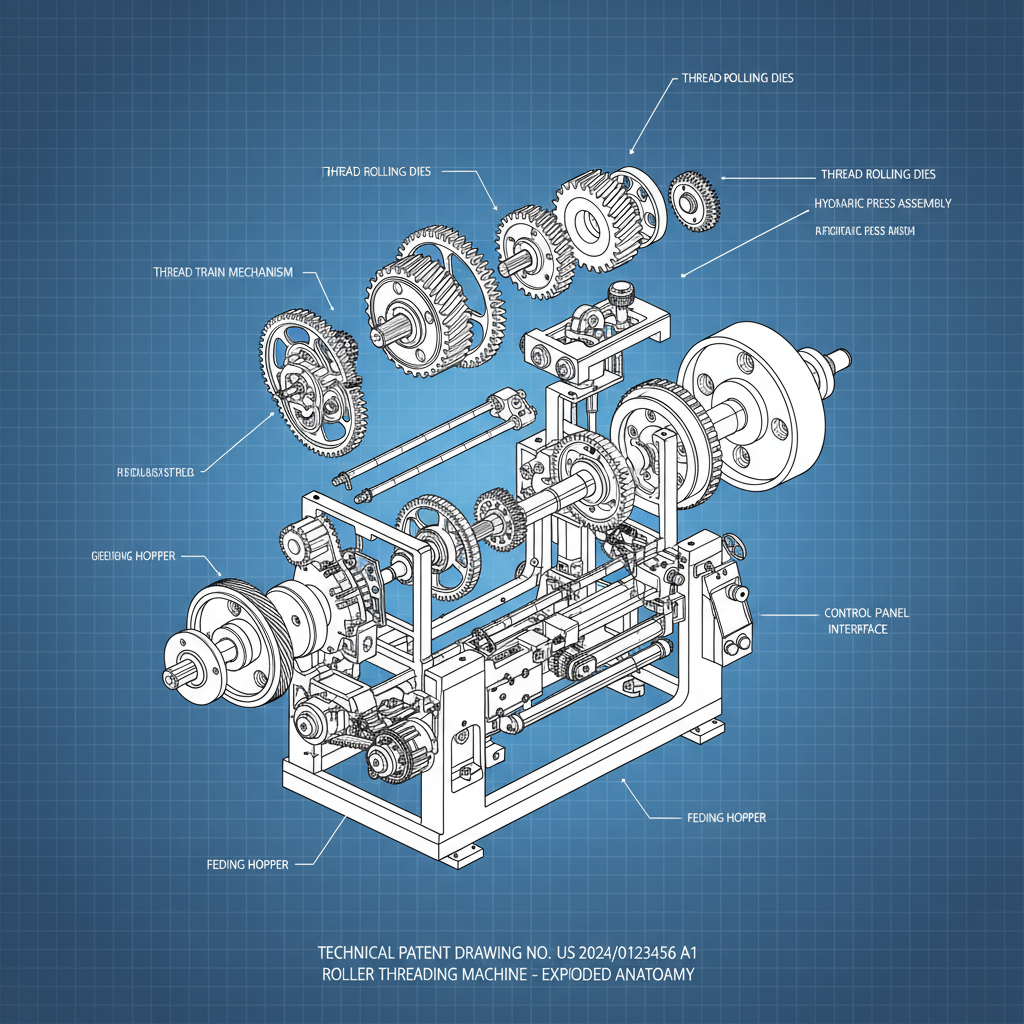
Roller threading machines are specialized tools designed to create threads on cylindrical components. Unlike traditional methods, these machines utilize rollers to form the thread, resulting in stronger and more accurate results. They are commonly used in the production of fasteners, pipes, and other threaded parts. There are several types of roller threading machines, each suited for different applications. These include single-die, multi-die, and planetary roller threading machines, differing in their complexity and production capacity. Choosing the correct machine depends on the volume, size, and material of the parts being threaded. Partnering with a knowledgeable roller threading machine factory can provide guidance in selecting the optimal solution.
Key Benefits: Enhanced thread strength, higher accuracy, increased production efficiency, and reduced material waste.
Key Considerations When Selecting a Factory
When choosing a roller threading machine factory, several factors are paramount. First, assess their manufacturing capabilities and experience. A factory with a proven track record and expertise in producing high-quality machines is essential. Second, evaluate their quality control processes. Look for factories with rigorous testing and inspection procedures to ensure each machine meets industry standards. Third, consider their capacity and lead times. Ensure they can meet your production demands and deliver machines within a reasonable timeframe. Finally, assess their after-sales service and support. Reliable maintenance and technical assistance are vital for long-term operation.
Essential Factory Attributes:
• Proven Manufacturing Experience
• Stringent Quality Control
• Adequate Production Capacity
• Responsive After-Sales Support
Roller Threading Machine Factories: Comparison of Key Features
Different factories specialize in different types of roller threading machines. Here’s a comparison of some common features and benefits:
Choosing the Right Machine Type for Your Needs
Selecting the appropriate roller threading machine type is essential for optimizing production efficiency. Single-die machines are ideal for high-volume production of simple threads. Multi-die machines allow for the creation of more complex thread forms and are suitable for medium-volume production. Planetary roller threading machines offer the highest production capacity and are commonly used for large-scale manufacturing. Motetools offers a wide range of machine types to meet diverse requirements, with customization options available to tailor machines to specific applications.
Technical Specifications and Quality Assurance
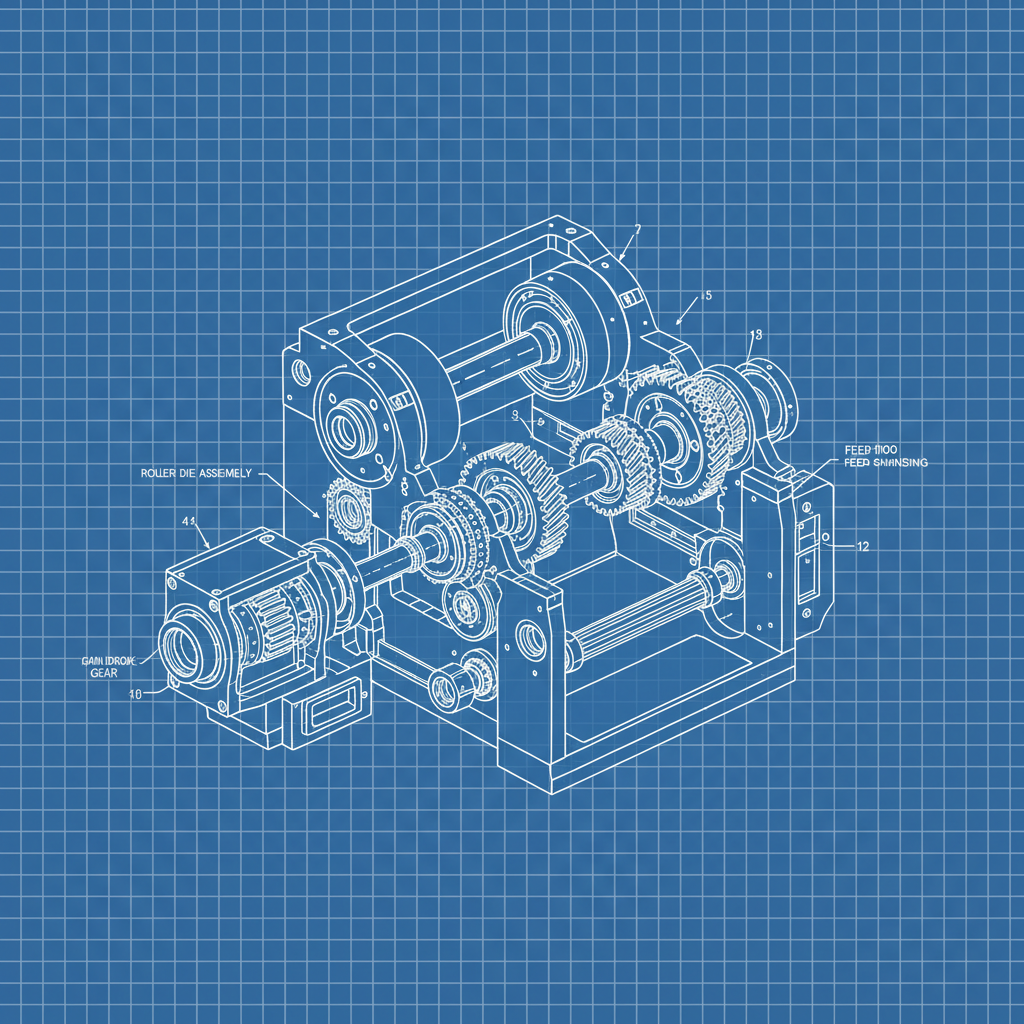
Key specifications to consider include machine capacity, threading range, power requirements, and automation features. Reputable roller threading machine factories adhere to stringent quality assurance standards, including ISO 9001 and CE certifications. These certifications demonstrate a commitment to producing reliable and safe machines. Look for factories that conduct thorough testing and inspection procedures throughout the manufacturing process to ensure consistent quality.
Conclusion: Partnering with a Reliable Factory
Choosing the right roller threading machine factory is a significant investment. By carefully considering factors such as manufacturing capabilities, quality control, lead times, and after-sales service, you can ensure you partner with a supplier that meets your needs and supports your long-term success. Motetools is dedicated to providing high-quality machines and exceptional customer support.
Frequently Asked Questions (FAQs)
What materials can roller threading machines process?
Roller threading machines are versatile and can handle a variety of materials, including carbon steel, alloy steel, stainless steel, and even some non-ferrous metals like aluminum and brass. However, the specific material compatibility depends on the machine's design, tooling, and threading parameters. It’s essential to consult with the roller threading machine factory to ensure the machine is suitable for your intended materials. Using incorrect settings or tooling can damage both the machine and the workpiece.
What maintenance is required for roller threading machines?
Regular maintenance is crucial for ensuring the longevity and performance of roller threading machines. This includes lubricating moving parts, inspecting and replacing worn tooling, cleaning the machine thoroughly, and checking electrical connections. A preventative maintenance schedule recommended by the manufacturer should be followed. Motetools provides comprehensive maintenance guides and support to help customers keep their machines running smoothly.
What is the typical lead time for custom-built machines?
Lead times for custom-built roller threading machines vary depending on the complexity of the design and the factory's production schedule. Generally, custom machines require 8-12 weeks for completion, from design approval to delivery. However, Motetools strives to offer competitive lead times and will provide a detailed timeline during the quoting process. Clear communication and close collaboration with the factory are essential for ensuring timely delivery.
How do I ensure the machine meets my specific threading requirements?
Thoroughly communicate your threading requirements to the roller threading machine factory during the initial consultation. Provide detailed specifications, including thread size, pitch, material, and production volume. Request samples or testing to verify that the machine can meet your needs before finalizing the order. Working with a factory that offers customization options and technical expertise is crucial for ensuring a successful outcome.