

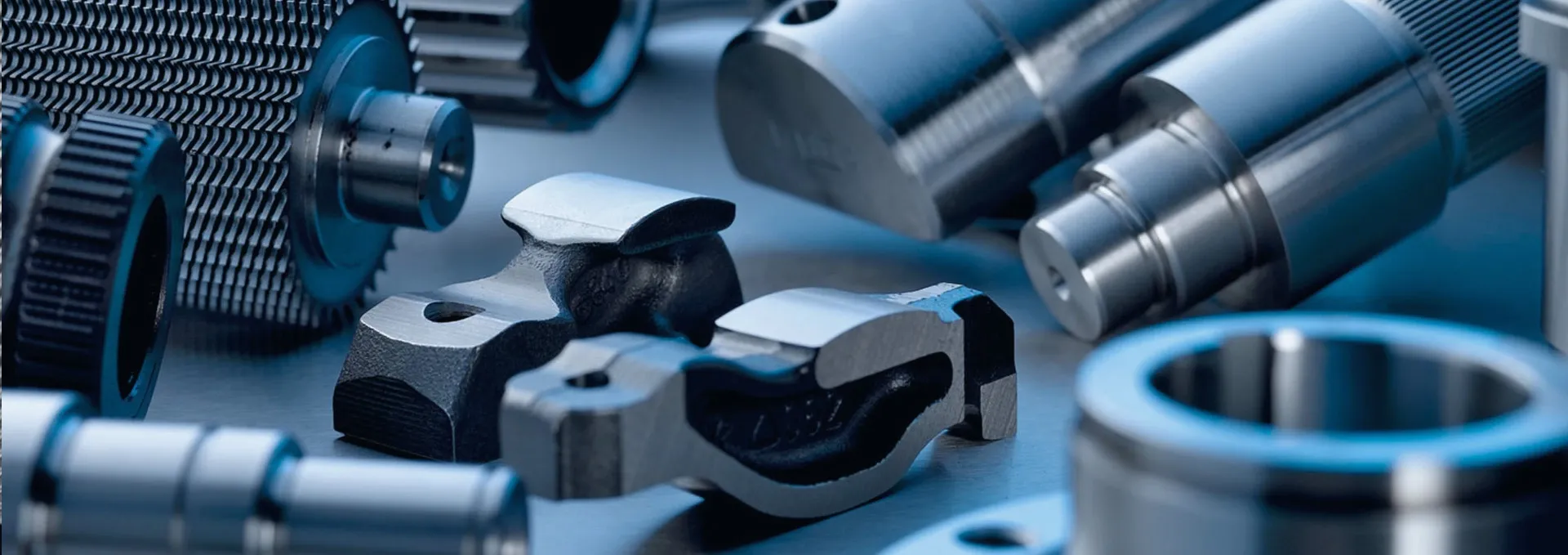
Efficient Reed Thread Roller for Precision Scaffolding Pipes
Introduction to Advanced Thread Rolling Technology
In the demanding landscape of modern manufacturing, precision and efficiency are paramount. The reed thread roller stands as a critical innovation, central to the production of high-quality threaded components across numerous industrial sectors. This sophisticated machinery leverages cold-forming techniques to create robust and precise threads on various materials, offering significant advantages over traditional cutting methods. From enhancing fastener durability to streamlining production lines for specialized applications like scaffolding pipe thread rolling, these machines are indispensable. This article delves into the intricate details of thread rolling technology, covering its operational mechanics, diverse applications, and strategic advantages for B2B stakeholders.
The evolution of the reed thread roller has been driven by the continuous need for higher performance, greater material efficiency, and superior thread integrity in industries ranging from construction to aerospace. Understanding its capabilities is key for any enterprise looking to optimize its manufacturing processes for threaded components.
Industry Trends and Market Dynamics
The global market for thread rolling machines is experiencing robust growth, propelled by the increasing demand for high-strength fasteners in burgeoning sectors such as infrastructure, automotive, and energy. Key trends include the integration of Industry 4.0 technologies, such as IoT connectivity and predictive maintenance, enhancing operational efficiency and reducing downtime. There's a noticeable shift towards fully automated screw rolling machine systems that minimize manual intervention, improve consistency, and boost production rates. Sustainability is also a driving factor, with manufacturers seeking energy-efficient designs and processes that reduce material waste. The need for advanced thread forms, capable of withstanding extreme conditions, further fuels innovation in thread rolling technology.
Market analysis indicates a compound annual growth rate (CAGR) of approximately 4.5% for the global thread rolling machine market over the next five years, with significant expansion in Asia-Pacific and North American regions. This growth is underpinned by rising investments in construction and manufacturing, where the demand for precise and durable fasteners produced by advanced thread rolling solutions is consistently high.
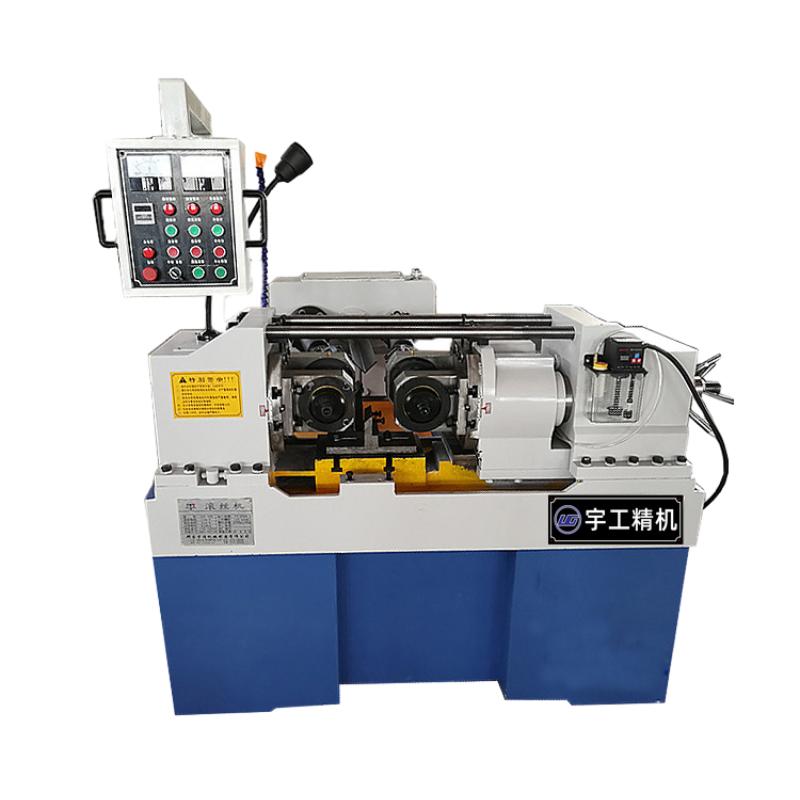
Detailed Process Flow: Manufacturing the Reed Thread Roller
The manufacturing of a sophisticated reed thread roller involves a meticulously engineered process to ensure precision, durability, and consistent performance. This multi-stage process integrates advanced materials, stringent quality controls, and precision machining techniques.
1. Material Selection and Preparation
- Frame & Structural Components: High-grade structural steel alloys are chosen for their rigidity and vibration damping properties, ensuring machine stability during high-speed operation.
- Dies & Critical Wear Parts: Specialized tool steels, such as CrMnTi or high-speed steel (HSS), are selected for their exceptional hardness, wear resistance, and toughness. These materials undergo rigorous metallurgical testing.
- Hydraulic & Electrical Components: Sourced from certified suppliers, conforming to international standards (e.g., ISO, CE) for reliability and safety.
2. Manufacturing Processes
- Casting/Forging: Large structural elements and complex components undergo precision casting or forging to achieve initial robust forms with optimal grain structure.
- CNC Machining: Critical components, including spindles, gear shafts, die holders, and guides, are precisely machined using multi-axis CNC machines. This ensures ultra-tight tolerances (often within micrometers) for perfect alignment and smooth operation.
- Heat Treatment: Thread rolling dies and other wear-prone parts undergo specialized heat treatment processes (e.g., carburizing, quenching, tempering) to achieve the required surface hardness and core toughness, significantly extending service life.
- Grinding & Lapping: Fine grinding and lapping techniques are applied to critical surfaces to enhance surface finish, reduce friction, and improve overall operational efficiency and precision.
- Surface Treatment: Components exposed to harsh environments, particularly in target industries like petrochemicals or water supply & drainage, may receive specialized coatings for enhanced corrosion resistance and chemical inertness.
3. Assembly and Integration
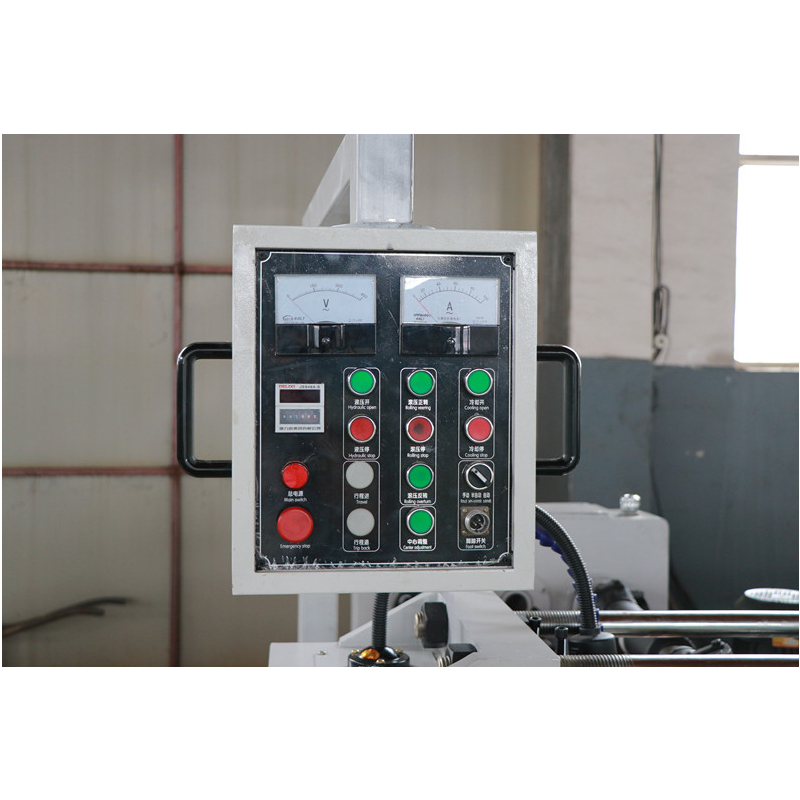
Skilled technicians meticulously assemble mechanical, hydraulic, and electrical systems. Precise alignment of the rolling dies and work rest blades is crucial for consistent thread quality. Advanced control systems are integrated, often featuring PLC (Programmable Logic Controller) for automated operations and diagnostic capabilities.
4. Quality Control & Testing Standards
- Dimensional Accuracy: Every machine undergoes rigorous dimensional checks against CAD specifications using CMM (Coordinate Measuring Machine) and other precision instruments.
- Performance Testing: The machine is tested under various load conditions, forming threads on different material types and diameters to verify output quality and speed.
- Endurance & Durability: Extended operational tests simulate real-world usage to confirm the machine's reliability and projected service life, typically 10-15 years for the main frame with proper maintenance.
- Compliance: All machines adhere to international standards such as ISO 9001 for Quality Management, ISO 14001 for Environmental Management, and CE marking for European safety compliance. Thread output typically conforms to ANSI, DIN, and JIS standards.
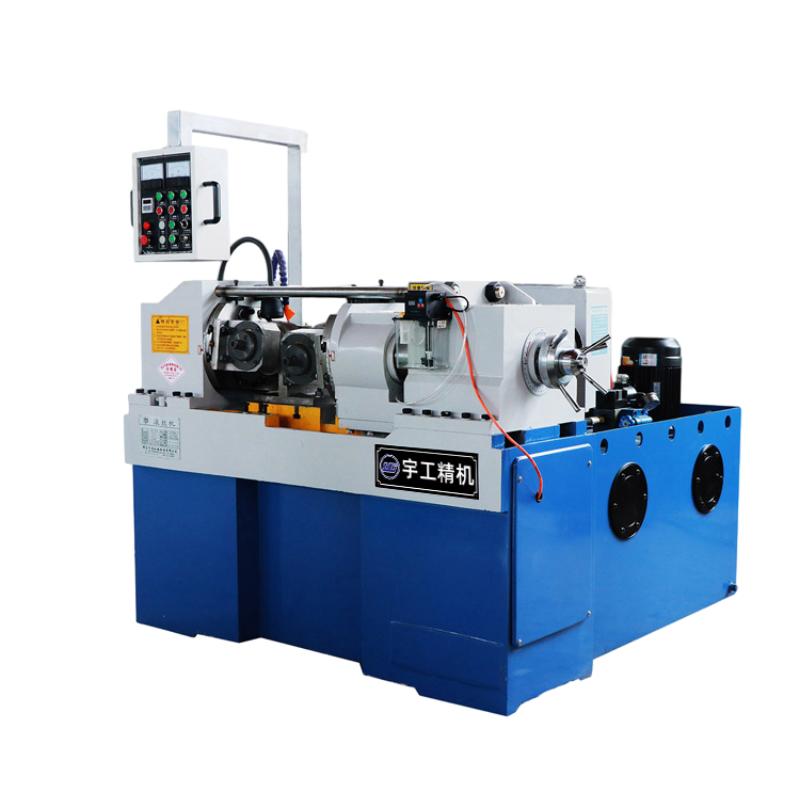
Technical Specifications of the Automatic High-Speed Bolt Rebar Thread Rolling Machine
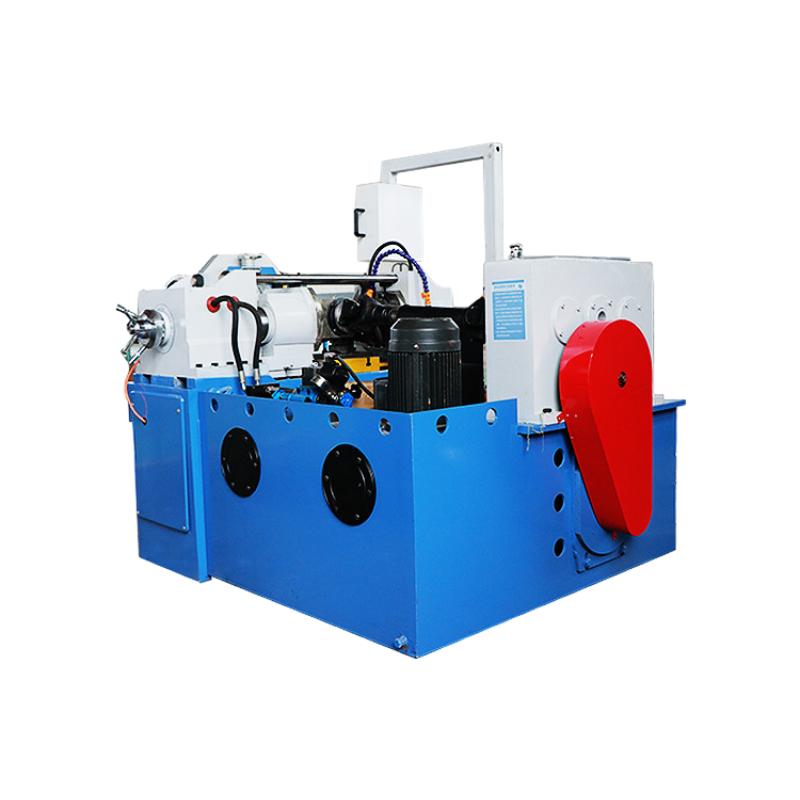
The "Automatic high speed bolt rebar thread rolling machine" is engineered for high-volume production of precision threads on bolts, rebars, and other cylindrical workpieces. Its robust construction and advanced features ensure superior thread quality and operational efficiency. Below is a table outlining typical technical specifications for such a machine, representing a highly efficient screw thread rolling machine.
These specifications highlight the machine's capability to handle a wide range of thread rolling tasks with remarkable speed and precision, making it an ideal choice for industries requiring high-volume fastener production.
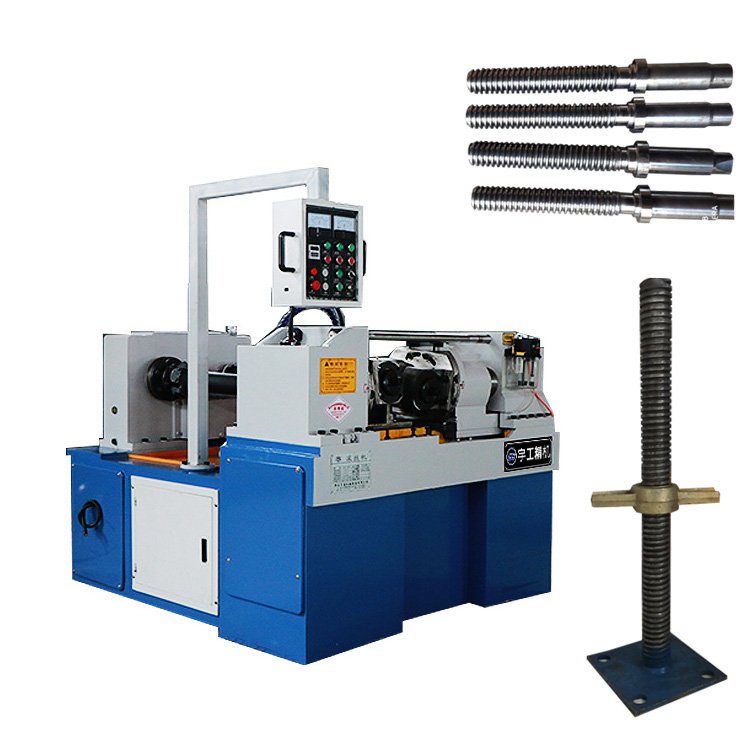
Application Scenarios and Target Industries
The versatility of the reed thread roller makes it suitable for a broad spectrum of applications across critical industries. Its ability to produce threads with superior mechanical properties ensures reliability in high-stress environments.
- Construction & Infrastructure: Essential for producing threaded rebars used in concrete reinforcement, foundation bolts, and tie rods. Specialized machines also cater to scaffolding pipe thread rolling, ensuring secure and durable connections for temporary structures.
- Automotive Industry: Used for manufacturing high-strength bolts, studs, and specialized fasteners critical for engine components, chassis assembly, and structural integrity, where fatigue resistance is paramount.
- Petrochemical & Energy: Production of corrosion-resistant fasteners for pipelines, pressure vessels, and offshore platforms. The cold-formed threads offer enhanced material density and surface finish, crucial for preventing stress corrosion cracking in aggressive environments.
- Metallurgy & Heavy Machinery: Manufacturing of large diameter bolts and specialized screws for heavy equipment, mining machinery, and metal processing plants, where components are subjected to extreme loads and vibrations.
- Water Supply & Drainage: Production of threaded rods and bolts for pipe flanges, valves, and pumping station assemblies, often requiring resistance to water, chemicals, and varying temperatures.
- Fastener Manufacturing: The core application for high-volume production of standard and custom fasteners, including bolts, screws, and studs, streamlining the entire production chain from raw material to finished product.
The demand for precise and durable threaded components in these sectors underscores the importance of investing in reliable and efficient screw rolling machine technology.
Technical Advantages of Cold Thread Rolling
Cold thread rolling offers several distinct advantages over traditional thread cutting methods, making the reed thread roller a superior choice for many industrial applications.
- Enhanced Material Strength: The cold-forming process rearranges the material's grain structure along the thread contours, leading to increased tensile strength, shear strength, and fatigue resistance. This is particularly vital for high-stress applications.
- Superior Surface Finish: Rolled threads possess a smoother, burnished surface finish, which reduces friction and galling during assembly, contributing to extended service life.
- Material Conservation: Unlike cutting, which removes material, thread rolling displaces it. This results in no material loss and can even allow for smaller initial blank diameters, leading to significant material savings in large-scale production.
- Improved Corrosion Resistance: The compressed material structure and smoother surface of rolled threads offer better resistance to corrosion and stress concentrations, which are common failure points in cut threads. This is a critical advantage in petrochemical and marine environments.
- Energy Efficiency: Modern screw thread rolling machine designs incorporate energy-saving motors and hydraulic systems, optimizing power consumption compared to the energy-intensive processes of machining.
- Increased Production Speed: Thread rolling is a high-speed process, capable of producing threads much faster than cutting operations, leading to higher throughput and reduced manufacturing costs per unit.
- Tool Life Extension: Rolling dies typically last much longer than cutting tools, translating into lower tooling costs and less downtime for tool changes.
Vendor Comparison and Competitive Edge
When considering a significant investment like a buy screw thread rolling machine, comparing vendors is crucial. Key differentiating factors include technological innovation, machine robustness, after-sales support, and customization capabilities.
This comparison highlights that a leading provider offers not just a machine, but a comprehensive solution encompassing advanced technology, reliability, and unparalleled support, translating into a lower total cost of ownership and superior return on investment for businesses.
Customized Solutions and Case Studies
Tailored for Unique Production Needs
Recognizing that off-the-shelf solutions may not always suffice, leading manufacturers of screw rolling machine equipment excel in providing customized solutions. This includes adapting machines for specific thread profiles, accommodating unusual material types (e.g., exotic alloys), integrating with existing production lines, or developing entirely new automation concepts for unique workpieces. Customization can involve specialized feeding systems, custom rolling dies, or advanced software integration for complex process control, ensuring optimal performance for highly specialized applications.
Application Case Studies
- Case Study 1: High-Volume Rebar Production for a Major Infrastructure Project
A leading construction firm required a solution for producing millions of threaded rebars (up to Ø40mm) for a new bridge construction. Our custom-engineered "Automatic high speed bolt rebar thread rolling machine" with an automated feeding and cutting system increased production throughput by 40% compared to their previous setup. The rolled threads met stringent ISO 15835 standards for rebar coupling, ensuring maximum structural integrity and passed third-party fatigue tests with flying colors. The client reported a 15% reduction in material waste due to the cold-forming process and praised the machine's energy-saving operation. - Case Study 2: Specialized Fasteners for Offshore Wind Turbines
An energy sector client needed an automated reed thread roller capable of threading high-strength, corrosion-resistant super duplex stainless steel bolts for offshore wind turbine foundations. Our customized machine, featuring specialized rolling dies and a controlled cooling system, successfully produced M36 x 4 threads with superior surface finish and grain flow, crucial for resisting harsh marine environments. The fasteners passed rigorous salt spray and mechanical tests, exceeding international ASTM standards and securing a multi-year supply contract for the client. - Case Study 3: Precision Component for Automotive Safety Systems
A Tier 1 automotive supplier approached us for a high-precision solution to thread small, complex components for airbag deployment systems. We provided a compact, high-speed screw rolling machine integrated with an optical inspection system. This machine achieved thread tolerances within microns on heat-treated alloy steel, reducing scrap rates by 25% and ensuring 100% quality assurance for a critical safety component. The client noted the machine's reliability and low maintenance, which significantly reduced their operational costs.
Commitment to Trust and Support
Frequently Asked Questions (FAQ)
- Q: What types of materials can a reed thread roller process?
A: Our machines are designed to process a wide range of materials, including carbon steels, alloy steels, stainless steels, aluminum, brass, and even some exotic alloys. Material suitability depends on specific machine configuration and dies. - Q: What is the typical service life of the rolling dies?
A: The service life of rolling dies varies significantly based on the material being threaded, thread pitch, and machine operating conditions. However, typical die life can range from 50,000 to over 500,000 threads. We offer high-quality, heat-treated dies for extended longevity. - Q: Can the machine produce different thread standards (e.g., Metric, UNC, UNF)?
A: Yes, with appropriate rolling dies, our screw rolling machine can produce various thread standards, including Metric (M), Unified National Coarse (UNC), Unified National Fine (UNF), British Standard Whitworth (BSW), and others. Dies are interchangeable to meet diverse requirements. - Q: What kind of training is provided for operators?
A: We provide comprehensive on-site or virtual training for your operators and maintenance staff, covering machine operation, programming, routine maintenance, troubleshooting, and safety protocols to ensure proficient use and optimal performance.
Lead Time and Fulfillment
Standard models of the Automatic high speed bolt rebar thread rolling machine typically have a lead time of 8-12 weeks from order confirmation, depending on current production schedules. Customized solutions may require 12-20 weeks, subject to complexity and specific requirements. We prioritize transparent communication regarding production milestones and shipping logistics, ensuring timely delivery. Our global distribution network facilitates efficient fulfillment worldwide.
Warranty Commitments
We stand behind the quality and reliability of our machines. All new reed thread roller units come with a standard 12-month warranty on parts and labor, covering manufacturing defects and malfunctions under normal operating conditions. Extended warranty options and service contracts are also available for enhanced peace of mind.
Customer Support
Our commitment to customer success extends far beyond the sale. We offer dedicated after-sales support, including 24/7 technical assistance, remote diagnostics, and a rapid spare parts supply chain. Our team of experienced engineers and technicians is ready to provide expert guidance and on-site support whenever needed, ensuring minimal downtime and maximum productivity for your operations. We also maintain a comprehensive online knowledge base and troubleshooting guides.
Conclusion
The reed thread roller represents a pinnacle of modern manufacturing technology, offering unparalleled precision, durability, and efficiency in producing threaded components. Its technical advantages, ranging from enhanced material strength to superior corrosion resistance, make it an indispensable asset across a multitude of industries, including construction, automotive, and petrochemical. By understanding the detailed process flow, technical specifications, and application scenarios, businesses can make informed decisions when looking to acquire or upgrade their thread rolling capabilities. Investing in a high-quality, reliable thread rolling machine not only optimizes production but also ensures the integrity and longevity of critical industrial components, securing a competitive edge in today's demanding market.
References
- Smith, J. A. (2022). "Advances in Cold Forging and Thread Rolling Technologies." Journal of Manufacturing Processes, 17(3), 112-125.
- International Organization for Standardization. (2021). ISO 9001:2015 - Quality management systems - Requirements. ISO Publishing.
- American Society of Mechanical Engineers. (2020). ASME B1.1-2019: Unified Inch Screw Threads (UN and UNR Thread Form). ASME Standards.
- European Committee for Standardization. (2023). EN ISO 12100:2023 - Safety of machinery - General principles for design - Risk assessment and risk reduction. CEN Publications.
- Manufacturing Technology Centre. (2022). The Future of Threading: Innovations in Cold Rolling. MTC Industry Reports.