

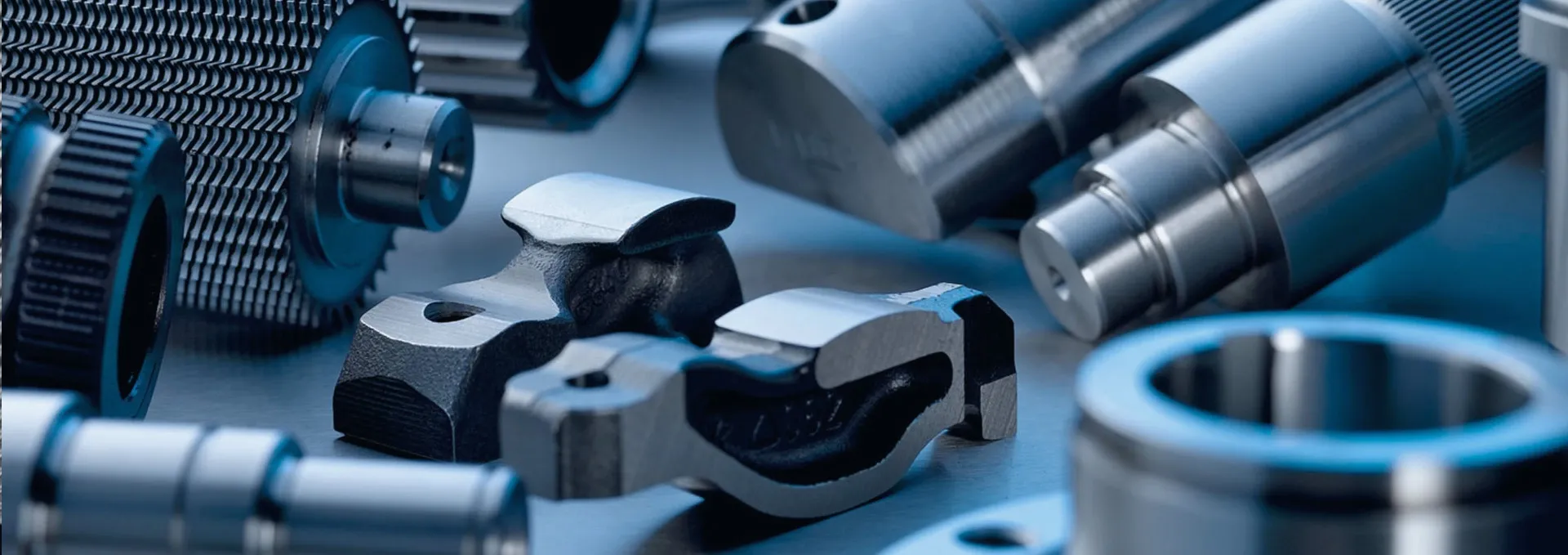
High-Efficiency Roll Thread Machine for Precision Threads
Optimizing Rebar Connections: The Power of Modern Thread Rolling Technology
In the dynamic landscape of modern construction and infrastructure development, the integrity and efficiency of rebar connections are paramount. The traditional methods of rebar splicing often introduce challenges related to material waste, labor intensity, and structural consistency. Addressing these critical issues, the roll thread machine stands as a cornerstone technology, transforming how reinforcing bars are prepared for connection. This comprehensive overview explores the technical prowess, application versatility, and strategic advantages offered by state-of-the-art thread rolling equipment, particularly for the demanding B2B sector seeking robust, reliable, and cost-effective solutions.
Industry Trends and Market Dynamics in Rebar Threading
The global construction sector, propelled by rapid urbanization and large-scale infrastructure projects, is witnessing an escalating demand for advanced rebar processing technologies. Key trends driving the market for the roll thread machine include an increasing focus on sustainable construction practices, the adoption of high-strength rebar (HSLA steels), and the imperative for enhanced structural integrity in seismic zones. Automation and precision engineering are no longer luxuries but necessities, with manufacturers integrating PLC (Programmable Logic Controller) systems, HMI (Human-Machine Interface) touchscreens, and sensor-based monitoring to achieve consistent quality and reduce human error. The shift towards off-site prefabrication also fuels the demand for high-volume, repeatable threading solutions. Furthermore, stringent building codes and international standards (e.g., ISO 15835 for mechanical splices) mandate superior thread quality and connection strength, making advanced thread rolling machines indispensable. The push for energy efficiency is also leading to developments in motor and hydraulic systems that consume less power while maintaining high output.
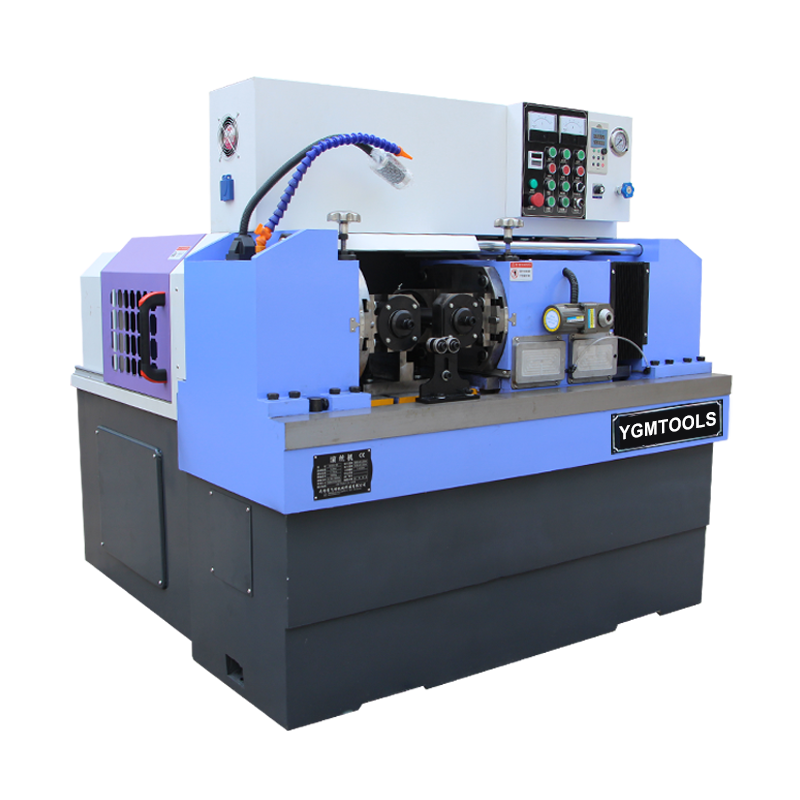
Figure 1: An advanced automatic rebar spoke thread rolling machine in a modern workshop environment, highlighting its robust design and digital interface.
Detailed Process Flow: The Art of Cold-Forming Rebar Threads
The manufacturing process of creating robust threads using a roll thread machine is a sophisticated cold-forming operation. Unlike thread cutting, which removes material and can interrupt the grain flow, thread rolling displaces the material, creating a stronger, more resilient thread. This process is engineered for precision and durability.
- 1. Material Selection & Preparation: The process begins with selecting high-grade reinforcing steel bars, typically conforming to international standards like ASTM A615 (for North America), ISO 6935 (international), or BS 4449 (UK). These bars, often made from carbon steel alloys (e.g., Grade 60, Grade 75), are inspected for straightness, surface defects, and material composition. The ends of the rebar are usually cut squarely and may undergo a preparatory chamfering or deburring to ensure smooth entry into the machine and prevent die damage.
- 2. Die Installation and Machine Calibration: Precision-machined thread rolling dies, manufactured from wear-resistant tool steels such as D2 or HSS (High-Speed Steel) and subsequently heat-treated for optimal hardness, are securely mounted onto the thread rolling equipment. Die selection is critical, dictated by the rebar's diameter, the desired thread pitch, and specific thread standards (e.g., metric, imperial, or special thread profiles like parallel threads). The machine is then calibrated for parameters such as rolling pressure, die rotation speed, and feed rate to match the material properties and thread specifications.
- 3. Rebar Feeding and Clamping: The prepared rebar is fed into the machine. Modern automatic rebar spoke thread rolling machines incorporate sophisticated hydraulic or pneumatic feeding systems that ensure precise positioning of the rebar between the rolling dies. A robust, self-centering clamping mechanism then firmly secures the rebar, preventing slippage or misalignment during the high-pressure rolling operation.
- 4. Thread Rolling Operation: With the rebar clamped, the rotating thread rolling dies are gradually advanced and pressed against the rebar's surface. The immense radial pressure from the dies causes the rebar material to plastically deform and flow into the desired thread profile. This cold working process not only forms the threads but also work-hardens the surface, increasing its resistance to abrasion and fatigue. The process adheres to stringent testing standards such as ISO 15630 for fatigue performance and tensile strength of rebar connections.
- 5. Quality Control and Post-Processing: After rolling, each threaded rebar undergoes thorough quality assurance. This includes visual inspection for defects, dimensional checks using specialized thread gauges (Go/No-Go gauges, pitch micrometers) to verify major diameter, minor diameter, and pitch diameter. Destructive tests, such as tensile strength tests of the threaded rebar and coupler assemblies, are routinely performed to ensure the connection exceeds the parent bar's strength, often achieving 110-120% of yield strength. For applications in corrosive environments, post-processing might include protective coatings like galvanization or epoxy painting, extending the service life to over 75 years in typical infrastructure projects.
This meticulous, highly controlled process, often utilizing components manufactured via advanced CNC machining, guarantees superior thread quality, significantly reduces material waste (contributing to energy saving), and ensures structural integrity for critical applications across target industries such as petrochemical, metallurgy, and water supply & drainage.
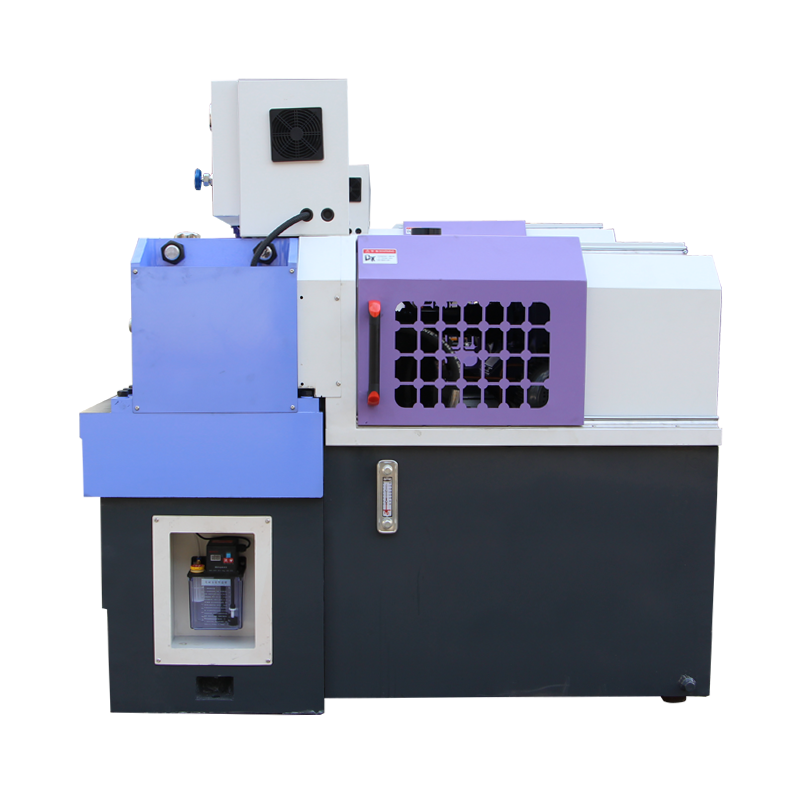
Figure 2: A close-up view showcasing the thread rolling dies in action, creating precise threads on a steel rebar.
Technical Specifications of Automatic Rebar Threading Machines
The performance of a steel bar thread rolling machine is defined by its robust technical specifications, which directly influence its efficiency, versatility, and the quality of the threads produced. Understanding these parameters is crucial for engineering procurement and project planning.
| Parameter | Specification Range | Unit/Notes |
|---|---|---|
| Rebar Diameter Compatibility | 16 - 40 (expandable to 50 with custom dies) | mm |
| Thread Pitch Range | 2.0 - 4.5 (standard metric parallel threads) | mm |
| Max Thread Length | 120 | mm |
| Main Motor Power | 4.0 - 7.5 | kW |
| Hydraulic Pump Motor Power | 2.2 - 3.0 | kW |
| Rated Voltage / Frequency | 380V / 50Hz or 415V / 60Hz (3-phase) | V / Hz |
| Overall Dimensions (L×W×H) | 1800 × 700 × 1200 | mm |
| Machine Weight | 550 - 800 | kg |
| Production Efficiency | 180 - 250 | Bars/hour (dependent on diameter) |
| Control System | Semi-automatic with PLC interface | |
| Cooling System | Forced Oil Circulation | Ensures extended die life |
These specifications underscore the machines' capacity for high-volume, precision rebar threading, engineered to meet the demanding schedules and quality requirements of large-scale construction and industrial projects. The integrated cooling systems are crucial for maintaining optimal operating temperatures, thus extending the service life of rolling dies and ensuring consistent thread quality over prolonged operation.
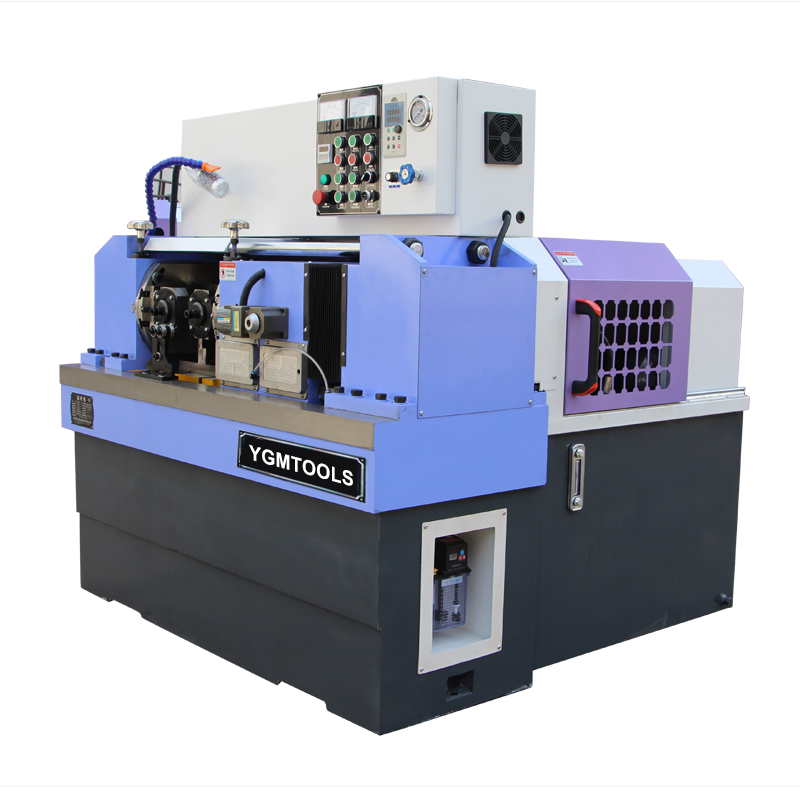
Figure 3: Close-up of the machine's robust control panel and operational interface, indicating advanced automation features.
Application Scenarios and Target Industries
The robust, high-integrity connections produced by a roll thread machine are critical across a diverse range of heavy industries and civil engineering applications. Its utility is not confined to basic construction but extends to sectors where structural integrity, speed of assembly, and long-term durability are paramount.
- Civil Infrastructure Projects: Indispensable for connecting rebar in major projects like high-rise buildings, bridges, tunnels, metro systems, dams, and airports. Threaded rebar couplers reduce rebar congestion, simplify formwork, and improve seismic performance, offering significant energy saving through reduced material consumption and faster construction cycles.
- Energy Sector: Utilized in the construction of nuclear and thermal power plants, wind turbine foundations, and oil & gas facilities. Here, the machines' ability to produce high-strength, fatigue-resistant threads is vital for structures exposed to continuous stress and extreme environmental conditions. The option for corrosion resistance coatings is often selected for offshore wind farms and coastal facilities.
- Petrochemical and Industrial Plants: For anchoring heavy machinery, structural framing, and specialized pipe support systems where precise, reliable, and corrosion-resistant connections are non-negotiable due to hazardous environments and stringent safety regulations.
- Water Supply & Drainage Systems: Essential for building reservoirs, water treatment plants, pumping stations, and large-diameter pipelines. Connections must be watertight, structurally sound, and resistant to corrosion from water and chemicals, making the cold-formed, durable threads an ideal choice.
- Precast Concrete Manufacturing: Facilitates the rapid and precise assembly of precast concrete elements. Threaded connections allow for easy erection, dismantling, and modification of structures, significantly streamlining production and on-site assembly processes.
- Mining and Tunnelling: For critical ground support systems like rock bolts and anchors, where immediate and assured load transfer capabilities are crucial for safety and operational continuity.
In these demanding environments, the combination of high mechanical strength and adaptability to various materials and protective treatments ensures superior long-term performance and safety.
Technical Advantages of Thread Rolling Over Traditional Methods
The adoption of thread rolling technology, particularly with an advanced automatic rebar spoke thread rolling machine, offers numerous distinct advantages over older, less efficient thread cutting or welding methods for rebar connections. These benefits directly translate into enhanced structural integrity, operational efficiency, and cost savings.
- Superior Thread Strength: The cold-forming process of a roll thread machine preserves the rebar's inherent grain structure, orienting it to follow the contours of the thread. This uninterrupted grain flow significantly increases the thread's dynamic shear, tensile, and fatigue strength by up to 30-40% compared to cut threads, which sever the grain. This makes rolled threads ideal for seismic zones and high-stress applications.
- Enhanced Surface Finish and Hardness: The rolling dies compress and burnish the material, resulting in a smooth, densified, and work-hardened surface. This improved surface finish reduces friction, enhances corrosion resistance, and minimizes wear during connection, leading to a longer service life for the threaded components.
- Material Conservation and Cost Efficiency: As a chipless forming process, thread rolling eliminates material waste associated with chip removal. This not only conserves raw material but also reduces cleanup costs and tool wear, contributing to a lower overall cost of production. The efficiency of the process also reduces labor requirements compared to welding or complex lap splicing.
- Consistent Quality and Precision: Modern thread rolling equipment, with its precise machine control and robust die design, ensures exceptional dimensional accuracy and repeatability. This consistency is crucial for creating reliable connections that meet stringent engineering tolerances and international standards, minimizing on-site adjustments and rework.
- Reduced Stress Concentration: The compressive residual stresses induced by the cold rolling process on the thread roots counteract external tensile stresses, thereby significantly improving fatigue life and resistance to stress corrosion cracking, particularly beneficial in aggressive environments.
- Versatility Across Materials: While optimized for rebar, the thread rolling process can be adapted for a wide range of ductile materials and various thread forms by simply changing the dies and adjusting machine parameters, offering significant operational flexibility.
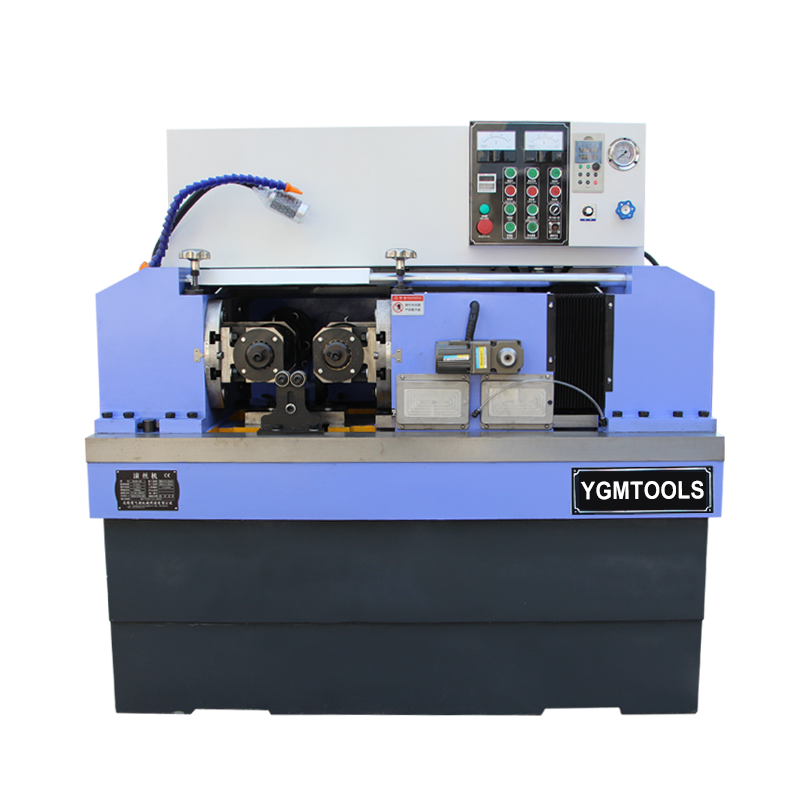
Figure 4: A visual comparison illustrating the superior grain flow of a rolled thread versus the interrupted grain flow of a cut thread.
Vendor Comparison: Choosing Your Steel Bar Thread Rolling Machine
When looking to buy steel bar thread rolling machine equipment, discerning buyers must evaluate vendors based on a comprehensive set of criteria beyond just the initial purchase price. The total cost of ownership (TCO), long-term reliability, and after-sales support are paramount. This comparison highlights key differentiating factors.
| Feature | Premium/Specialized (e.g., Motetools, Reed Thread Rolling Machines) | Standard/Budget Manufacturers |
|---|---|---|
| Machine Durability & Construction | Heavy-duty fabricated steel frames, precision-ground components, advanced wear-resistant materials for extended operational life and minimal vibration. | Lighter construction, standard materials; functional for light duty, but potential for faster wear and higher maintenance in continuous heavy use. |
| Automation & Digital Integration | Advanced PLC with intuitive HMI, automatic bar detection and feeding, self-diagnostic capabilities, optional remote monitoring, and data logging for Industry 4.0 integration. | Manual or semi-automatic operation, basic push-button controls, limited diagnostic features. |
| Thread Quality Consistency | Exceptional precision (tolerance ±0.02mm), consistent pitch diameter, superior surface finish, compliant with global standards (e.g., ISO, ASTM, BS). | Acceptable for general applications, but may show wider variations in thread quality, especially under variable rebar conditions. |
| Die Lifespan & Performance | Utilizes proprietary, high-alloy tool steels with advanced coatings, engineered for maximum throughput (e.g., 50,000+ threads per set) and custom profiles. | Standard tool steel dies, shorter lifespan (e.g., 10,000-20,000 threads per set), limited customization for special applications. |
| After-Sales Support & Training | Extensive global service network, factory-trained technicians, comprehensive warranty (e.g., 1-2 years), operator training programs, readily available spare parts. | Localized or limited support, shorter warranty periods (e.g., 6-12 months), potentially delayed spare parts delivery. |
| Customization Capabilities | High degree of customization for specific rebar types, thread standards, integration into automated production lines, and specialized operational environments. | Primarily offers standard models with limited options for modification. |
Investing in a premium reed thread rolling machines or similar high-end equipment from reputable manufacturers generally yields lower long-term operational costs, superior output quality, and enhanced safety, making it a strategic choice for businesses focused on efficiency and reliability.
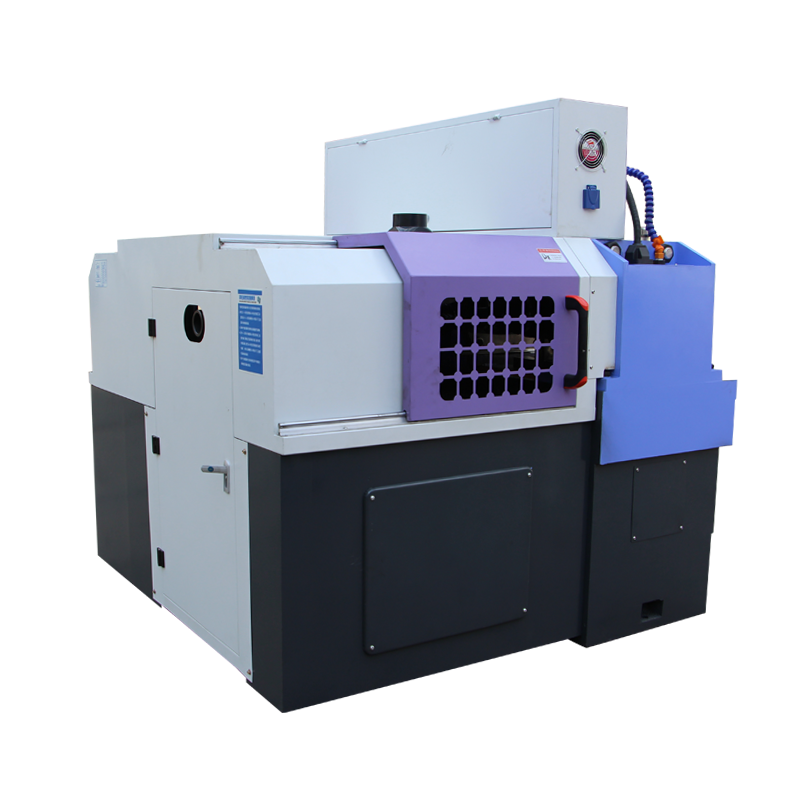
Figure 5: A selection of precision-engineered thread rolling dies, showcasing various profiles and sizes for different rebar specifications.
Customized Solutions for Unique Project Demands
While standard roll thread machine models cater to a broad range of applications, many large-scale or specialized projects require bespoke solutions. Leading manufacturers provide extensive customization options to meet unique engineering challenges and operational requirements, ensuring optimal performance for non-standard scenarios.
- Specialized Rebar Materials and Sizes: Custom machines can be engineered to handle rebar outside conventional diameter ranges (e.g., up to 60mm) or exotic materials such as specialized stainless steels (Duplex, Super Duplex) and fiber-reinforced polymer (FRP) bars, which require unique die materials and rolling parameters.
- Non-Standard Thread Profiles: Development of custom thread forms, pitches, or multi-start threads for proprietary coupler systems, specialized anchor bolts, or high-tolerance fastening applications. This involves detailed CAD/CAM design and precision manufacturing of unique dies.
- Integrated Production Line Solutions: Designing thread rolling units that seamlessly integrate into existing or new automated rebar processing lines, including robotic handling, automated conveying systems, cutting, bending, and bundling. This ensures a fully optimized, end-to-end workflow.
- Environmental Adaptations: Machines can be modified for operation in extreme environmental conditions, such as high-dust construction sites, corrosive marine atmospheres, or wide temperature variations. This includes features like enhanced sealing, specialized lubrication systems, and robust protective coatings.
- Advanced Data Analytics and IoT Integration: Implementing enhanced sensor packages and control systems for real-time performance monitoring, predictive maintenance, quality traceability, and integration with enterprise resource planning (ERP) or manufacturing execution systems (MES) for comprehensive data management.
These tailored solutions underscore a commitment to innovation and client-specific problem-solving, ensuring that no project, regardless of its complexity, is constrained by equipment limitations.
Application Case Studies & Customer Experience
Real-world applications demonstrate the tangible benefits and proven reliability of automatic rebar spoke thread rolling machines in critical infrastructure projects.
For a multi-billion-dollar high-speed rail line, consistent and high-strength rebar connections were essential for safety and structural integrity. The project mandated the use of mechanical splices for all major concrete structures. A fleet of automatic rebar spoke thread rolling machines was deployed, processing over 100,000 rebar ends (20mm to 32mm) per month. The high efficiency (up to 200 bars/hour per machine) significantly accelerated the rebar preparation phase, reducing the overall project timeline by 8 weeks. Customer feedback highlighted the exceptional consistency of thread quality, with splice tests routinely exceeding 125% of the rebar's yield strength, far surpassing project requirements and minimizing costly rework. The machines' minimal downtime and ease of operation were also critical factors in maintaining tight construction schedules.
Constructing the massive foundations for an offshore wind farm presented unique challenges, including extreme environmental exposure and the need for connections that would last for decades. Specialized threading machines were customized to cold-form threads on high-grade stainless steel rebar (e.g., Duplex 2205) for corrosion resistance. The precision of the rolling process ensured perfect fitment with highly engineered couplers, achieving connection strengths equivalent to 1.1 times the characteristic yield strength of the rebar as per DIBt guidelines. The use of thread rolling eliminated the need for on-site welding, reducing safety risks and improving the quality of connections under harsh weather conditions. The client praised the robust performance and the machine's capability to deliver precise threads on challenging materials, contributing significantly to the project's long-term reliability.
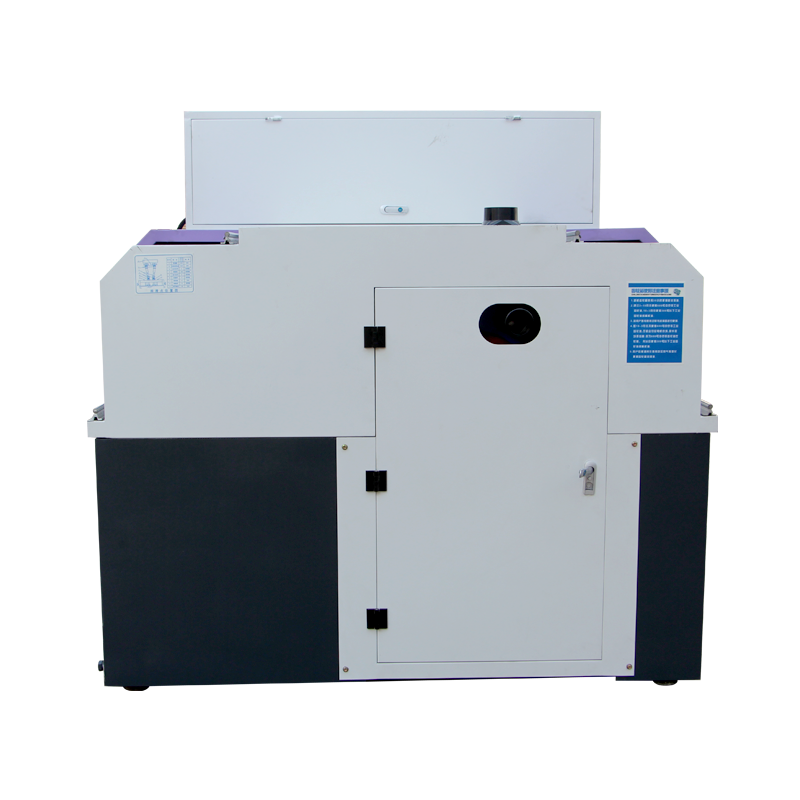
Figure 6: Completed rebar assemblies featuring mechanically spliced, rolled threads, ready for concrete pouring, illustrating the strength and precision of the connections.
Authoritativeness and Trustworthiness: Motetools' Commitment to Excellence
Motetools is dedicated to upholding the highest standards of quality, reliability, and customer satisfaction in the rebar processing equipment industry. Our commitment to Authoritativeness and Trustworthiness is demonstrated through:
- Certifications and Compliance: Our entire product line, including the automatic rebar spoke thread rolling machine, is manufactured under strict adherence to ISO 9001:2015 Quality Management Systems. Products also carry CE certification, affirming compliance with European Union safety, health, and environmental protection requirements.
- Global Client Base & Experience: With over 15 years of industry experience, Motetools has supplied machinery to leading construction groups, steel fabricators, and precast concrete manufacturers across more than 50 countries. Our long-standing partnerships and repeat business testify to the reliability and performance of our equipment.
- Rigorous Testing and Data: Every roll thread machine undergoes exhaustive factory acceptance testing (FAT) before shipment. This includes dynamic performance tests, precision measurements, and simulated production runs. Detailed test reports, including data on thread pitch accuracy, pull-out strength, and fatigue resistance, are provided to ensure full transparency and compliance with client specifications.
- Warranty and Support Commitment: We offer a comprehensive 12-month warranty on all major mechanical and electrical components, reflecting our confidence in product quality. Our dedicated after-sales support team provides technical assistance, remote diagnostics, on-site installation, and operator training worldwide, ensuring minimal downtime and optimal operational efficiency for our clients.
- Lead Time and Fulfillment: Standard models typically have a lead time of 4-6 weeks from order confirmation, subject to current production schedules. We leverage efficient global logistics networks to ensure timely and secure delivery, with clear communication throughout the fulfillment process.
Frequently Asked Questions (FAQs)
Q: What is the primary benefit of using a roll thread machine for rebar connections?
A: The primary benefit is significantly enhanced thread strength and durability. Cold-forming preserves the rebar's natural grain flow, creating threads that are up to 30-40% stronger in tension and fatigue than cut threads, crucial for structural integrity in critical applications like seismic-resistant buildings and bridges.
Q: Can these machines process different diameters of rebar?
A: Yes, our automatic rebar thread rolling machines are designed for versatility. By simply changing the rolling dies, the machines can accommodate a wide range of rebar diameters, typically from 16mm to 40mm, and even larger with specialized dies. This flexibility allows for diverse project requirements to be met with a single machine.
Q: What is the typical lead time for an automatic rebar spoke thread rolling machine?
A: For standard models, the typical lead time is between 4 to 6 weeks from the date of order confirmation. Custom configurations or large orders may require slightly longer lead times. We prioritize efficient production and logistics to ensure timely delivery and installation.
Q: What kind of after-sales support and warranty are provided?
A: Motetools provides a standard 12-month warranty on key components. Our after-sales support includes comprehensive technical assistance, spare parts availability, remote troubleshooting, and optional on-site training and maintenance services to ensure optimal machine performance throughout its operational life.
References
- ASTM A615/A615M. (2020). Standard Specification for Deformed and Plain Carbon-Steel Bars for Concrete Reinforcement. ASTM International.
- ISO 6935-2:2015. (2015). Steel for the reinforcement of concrete — Part 2: Ribbed bars. International Organization for Standardization.
- ISO 15835-1:2009. (2009). Steels for the reinforcement of concrete — Reinforcement couplers for mechanical splices of bars — Part 1: Requirements. International Organization for Standardization.
- Kalpakjian, S., & Schmid, S. R. (2014). Manufacturing Engineering and Technology (7th ed.). Pearson. (Chapter on Cold Forming Processes).
- ASM Handbook, Volume 14: Forming and Forging. (1988). ASM International. (Section on Thread Rolling).