

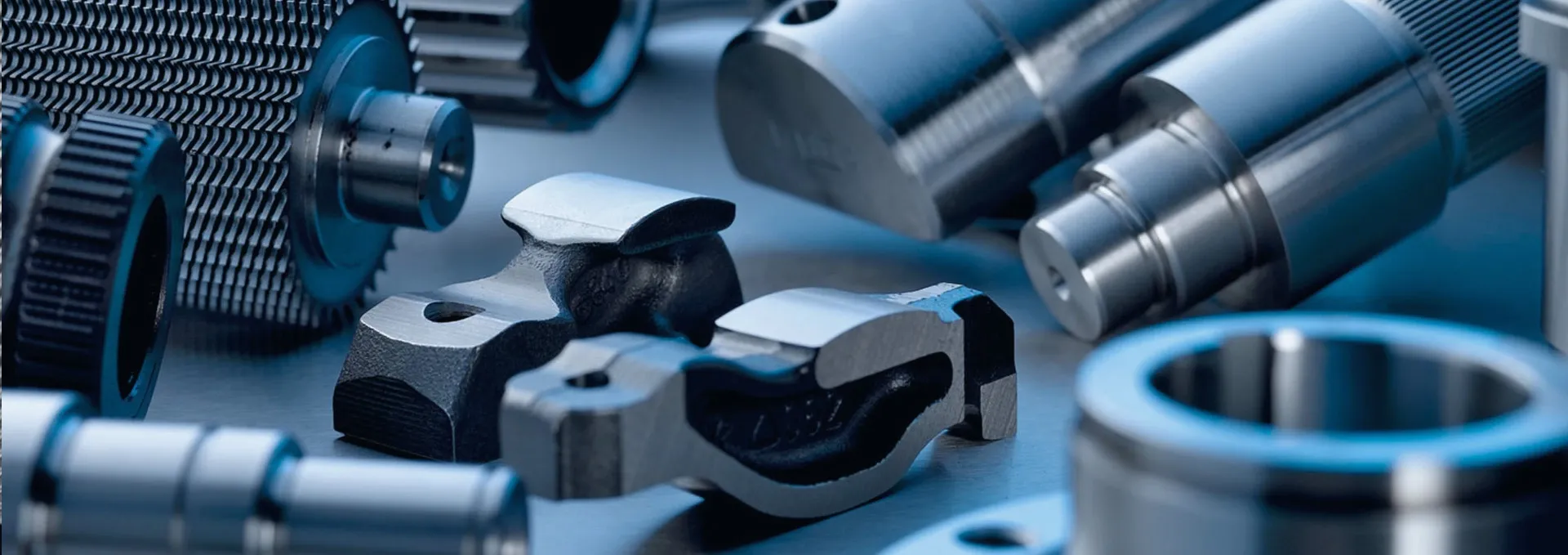
Precision Reed Thread Roller for Durable Threading
The Evolution of Precision Threading: Introducing the reed thread roller
In the demanding landscape of modern manufacturing, precision and efficiency are paramount. The advent of advanced thread rolling technology, exemplified by the reed thread roller, marks a significant leap forward in fastener production. This sophisticated equipment is engineered to create robust and accurate threads on various metal components, from standard bolts to critical rebar, ensuring superior mechanical properties and prolonged service life. Unlike traditional thread cutting methods, thread rolling employs cold forming, which compacts the material's grain structure, enhancing tensile strength, shear resistance, and fatigue life. This article delves into the intricacies of this technology, exploring its operational mechanics, diverse applications, and the tangible benefits it delivers to industries relying on high-integrity threaded components.
Our focus will extend to the core principles that make the automatic high-speed bolt rebar thread rolling machine a cornerstone of modern manufacturing, touching upon its process flow, technical specifications, and strategic advantages that make it an indispensable asset for businesses aiming for excellence in their production lines. As a specialized piece of equipment, the reed thread roller represents the pinnacle of efficiency and reliability in thread formation.
Industry Trends in Thread Rolling Technology
The thread rolling industry is undergoing a transformative period, driven by the relentless pursuit of automation, precision, and sustainability. Key trends include the integration of advanced CNC systems for unparalleled accuracy and repeatability, allowing for complex thread profiles and rapid changeovers. Furthermore, there's a growing emphasis on energy-efficient designs, leveraging servo motors and optimized hydraulic systems to reduce operational costs and environmental impact. The demand for higher-strength fasteners, especially in critical applications like infrastructure and automotive, is pushing manufacturers to adopt cold-forming techniques offered by advanced screw thread rolling machine technology, which inherently improves material properties. The rise of smart factories and Industry 4.0 concepts also sees thread rolling machines equipped with IoT capabilities, enabling real-time monitoring, predictive maintenance, and seamless integration into larger production ecosystems.
The market for a high-quality scaffolding pipe thread rolling machine and general screw rolling equipment continues to expand, driven by global construction and manufacturing growth, with a clear shift towards machines offering greater adaptability, enhanced safety features, and reduced setup times.
Understanding the Reed Thread Roller: Process Flow
The manufacturing process for threaded components using a reed thread roller is a precise and highly optimized cold-forming operation. This method is superior to traditional cutting as it plastically deforms the material rather than removing it, resulting in a stronger, more durable thread.
Detailed Manufacturing Process Steps:
- Material Selection and Preparation: High-grade alloy steels such as 42CrMo, 38CrMoAl, or specific carbon steels are chosen based on the desired strength and application. Raw material (e.g., wire rod, bar stock) undergoes rigorous inspection for metallurgical integrity, followed by cutting to precise blank lengths and descaling to remove surface impurities.
- Blank Forming (Optional for Rebar): For bolts, cold heading or forging shapes the blank, including the head and shank. For rebar, the bar itself serves as the blank, requiring minimal prior shaping beyond cutting.
- Thread Rolling Operation: This is the core stage where the reed thread roller comes into play. The unthreaded blank is fed between two or three hardened steel dies, which have the inverse of the desired thread form. As the blank rotates and the dies exert immense pressure, the material is plastically displaced and formed into threads. This process compacts the grain structure, enhancing fatigue resistance and surface hardness.
- Heat Treatment: Depending on material and application, components may undergo heat treatment (e.g., quenching and tempering) to achieve specific hardness, toughness, and ductility requirements. This optimizes the mechanical properties of the rolled threads.
- Surface Treatment: Coatings such as zinc plating, hot-dip galvanization, or specialized anti-corrosion layers are applied to protect against environmental degradation, increasing the service life of the threaded parts. This is particularly crucial for components used in corrosive environments.
- Quality Control and Testing: Each batch undergoes stringent testing according to international standards (e.g., ISO 898-1 for mechanical properties of fasteners, ANSI/ASME B1.1 for unified screw threads, ASTM A615/A706 for rebar). This includes dimensional checks, thread profile inspection, hardness tests, tensile strength tests, and fatigue resistance analysis.
- Packaging: Finished, inspected components are carefully packaged to prevent damage during transit and storage.
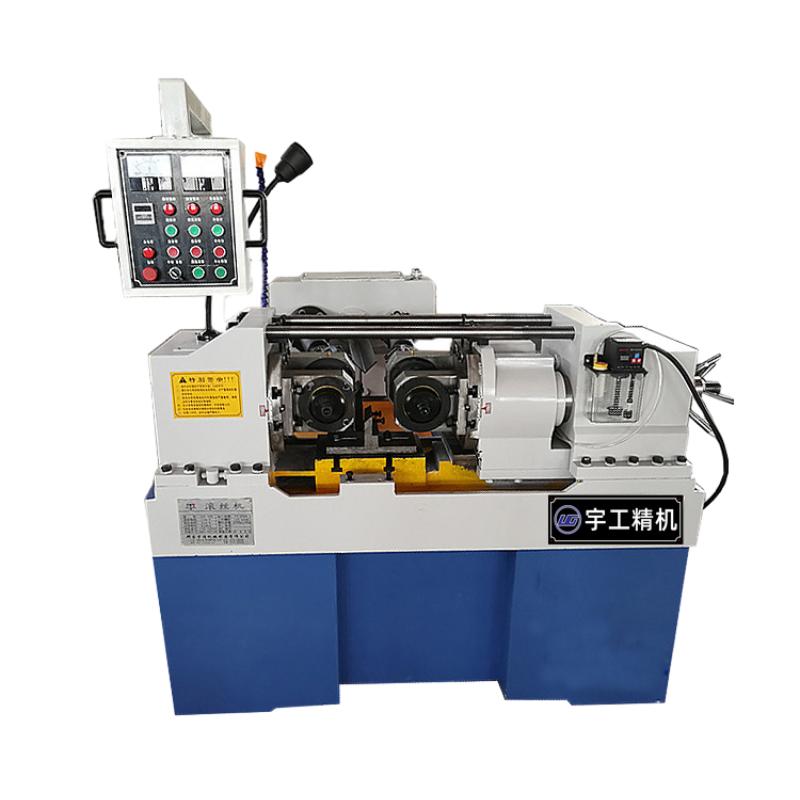
The target industries for parts produced by these machines are vast, including petrochemical (for pipe flanges and structural bolts requiring high corrosion resistance), metallurgy (for heavy machinery assembly), and water supply & drainage (for robust pipe connections and infrastructure projects). Advantages include significant energy savings due to cold forming, superior corrosion resistance when paired with appropriate surface treatments, and an extended service life of threaded components due to improved material properties.
Technical Specifications & Parameters of Advanced Thread Rolling Machines
Modern thread rolling machines are characterized by their robust construction, powerful kinematics, and precise control systems. Understanding their technical parameters is crucial for selecting the right equipment for specific production needs. Below is a representative table of specifications for an automatic high-speed bolt rebar thread rolling machine:
| Parameter | Specification |
|---|---|
| Max. Thread Diameter | M6 - M52 (Rebar 16mm - 40mm) |
| Max. Rolling Force | 40 - 100 Tons (depending on model) |
| Motor Power | 7.5 kW - 22 kW |
| Spindle Speed | 30 - 100 RPM (Variable Speed Drive) |
| Max. Thread Length | Up to 300 mm (Pass-through for Rebar) |
| Machine Weight | 2,500 kg - 6,000 kg |
| Control System | PLC with HMI Touchscreen |
| Cooling System | Integrated Oil Cooling |
These specifications highlight the capabilities of a modern screw rolling machine designed for high-volume, precision production. The ability to handle a wide range of thread diameters and materials makes them versatile assets in various industrial settings.
Application Scenarios for Thread Rolling Technology
The versatility and strength benefits of thread rolled components make the reed thread roller indispensable across numerous critical industries. Its applications range from mass-produced consumer goods to highly specialized aerospace components.
- Automotive Industry: Used for manufacturing high-strength bolts, studs, and specialized fasteners for engine components, chassis, and safety systems where fatigue resistance and reliability are paramount.
- Construction and Infrastructure: Essential for producing threaded rebar couplers, anchor bolts, and structural fasteners used in bridges, high-rise buildings, and large-scale public works. The robust threads are crucial for structural integrity. The scaffolding pipe thread rolling machine variant ensures safe and reliable connections in temporary structures.
- Aerospace and Defense: For precision fasteners where material integrity and minimal stress risers are critical. Cold rolling enhances resistance to extreme conditions and vibrations.
- Energy Sector (Oil & Gas, Renewable): Producing heavy-duty bolts and studs for pipelines, valves, drilling equipment, and wind turbine components, demanding high resistance to corrosion, extreme temperatures, and pressure.
- Heavy Machinery and Equipment: For fasteners in agricultural machinery, mining equipment, and industrial robotics, where components endure significant dynamic loads and abrasive environments.
- Petrochemical Industry: Special alloy fasteners requiring exceptional corrosion resistance and mechanical strength are produced for refineries, chemical plants, and processing units.
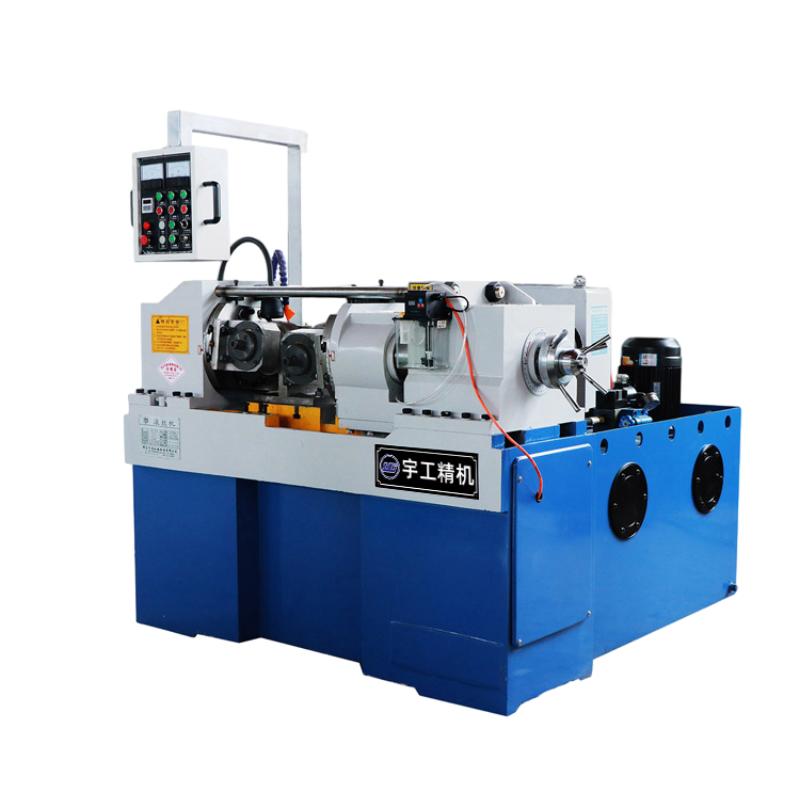
In each of these sectors, the ability of a modern screw thread rolling machine to consistently produce threads with superior strength, smoother finishes, and enhanced durability translates directly into improved product reliability and reduced maintenance costs.
Key Technical Advantages of Thread Rolling
The widespread adoption of thread rolling technology is due to its numerous technical and economic advantages over traditional thread cutting or grinding. These benefits are critical for manufacturers seeking to optimize quality, efficiency, and cost-effectiveness.
- Enhanced Material Strength and Fatigue Life: Cold rolling compacts the material's grain structure along the thread profile, maintaining continuous grain flow. This eliminates the stress risers associated with cut threads and significantly improves tensile, shear, and fatigue strength (up to 30-50% improvement in fatigue life has been observed in some studies).
- Superior Surface Finish: The rolling process burnishes the thread flanks, resulting in a smooth, work-hardened surface that is resistant to galling and wear. This also improves the mating characteristics with nuts and other threaded components.
- Material Savings: Unlike cutting, thread rolling is a chipless process, meaning no material is removed. This results in significant material savings, especially in high-volume production, contributing to lower manufacturing costs and reduced waste.
- Increased Production Speed: Modern screw rolling machine units are capable of very high production rates, often several times faster than thread cutting, making them ideal for large-scale manufacturing operations.
- Dimensional Accuracy and Repeatability: Thread rolling produces highly consistent and accurate thread forms, ensuring tight tolerances and reliable assembly performance across large batches.
- Improved Corrosion Resistance: The work-hardened, smooth surface created by rolling provides a better substrate for protective coatings, enhancing the corrosion resistance and overall service life of fasteners, especially in harsh environments.
- Energy Efficiency: While the rolling force is high, the overall energy consumption per part can be lower than machining processes that generate significant heat and require extensive cooling. Modern machines with servo-hydraulic systems further optimize energy use.
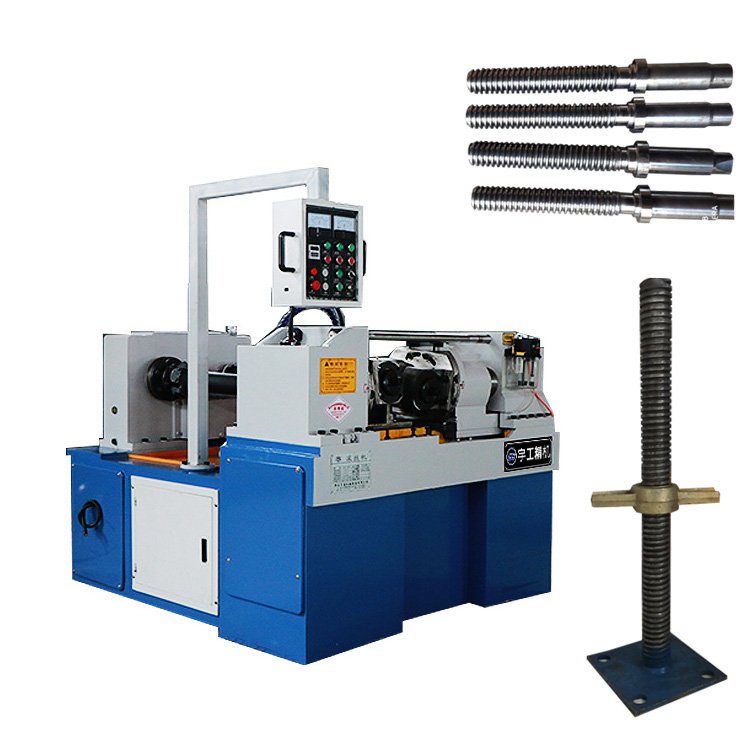
These advantages collectively underscore why the reed thread roller is the preferred technology for manufacturing high-quality, high-performance threaded components in demanding industrial applications.
Vendor Comparison: Choosing the Right Thread Rolling Machine
When considering to buy screw thread rolling machine, selecting the right vendor is as crucial as the machine's technical specifications. The market offers a variety of manufacturers, each with distinct offerings. A critical comparison involves evaluating machine robustness, control system sophistication, post-sales support, and customization capabilities.
| Feature/Vendor | Motetools (Automatic High-Speed Model) | Competitor A (Standard Hydraulic) | Competitor B (Entry-Level Mechanical) |
|---|---|---|---|
| Machine Type | Automatic, High-Speed, Hydraulic with Servo Control | Semi-Automatic, Standard Hydraulic | Manual Feed, Mechanical Cam-Driven |
| Control System | Advanced PLC + HMI Touchscreen, Recipe Management | Basic PLC with Push Buttons | Relay Logic, Manual Adjustments |
| Production Rate (M12 Bolt) | 60-80 pcs/min | 30-40 pcs/min | 15-20 pcs/min (operator dependent) |
| Accuracy & Repeatability | Excellent (±0.01mm) | Good (±0.03mm) | Fair (±0.05mm) |
| Energy Efficiency | High (Servo-hydraulic optimization) | Medium (Standard hydraulic pump) | Low (Continuous motor operation) |
| After-Sales Support | Comprehensive (24/7, global network, remote diagnostics) | Standard (Business hours, regional) | Limited (Local distributor only) |
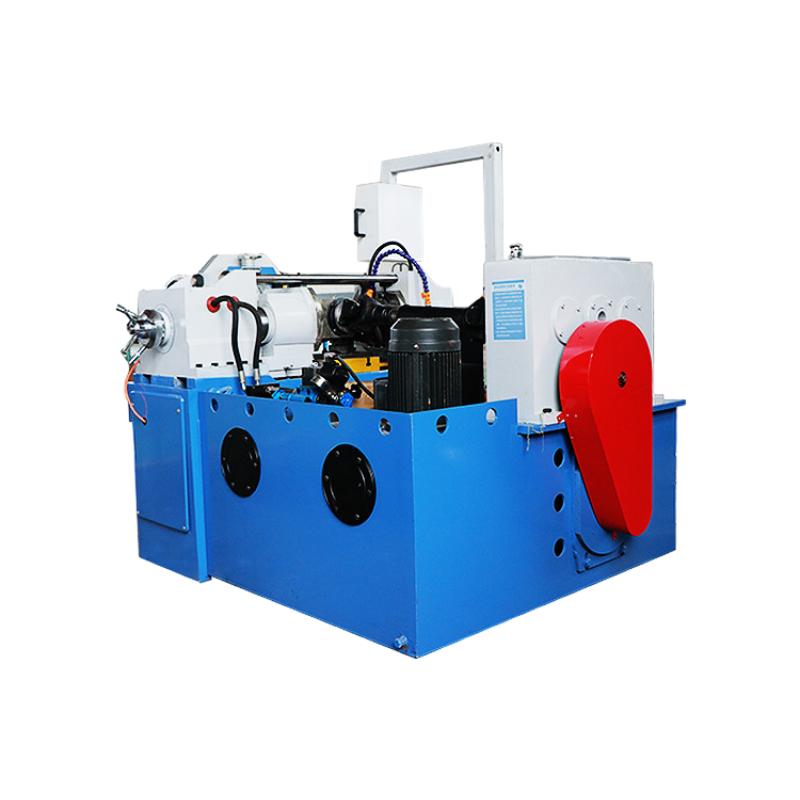
This comparison highlights the benefits of investing in a high-performance screw rolling machine like the Motetools model, particularly for operations prioritizing speed, precision, and long-term operational efficiency. The initial investment in advanced machinery is often recouped through higher output, lower operating costs, and reduced scrap rates.
Customized Solutions for Unique Requirements
Recognizing that standard solutions may not always suffice for specialized production needs, leading manufacturers of thread rolling machines, including Motetools, offer extensive customization capabilities. This ensures that a reed thread roller can be precisely tailored to specific client requirements, optimizing performance for unique materials, thread profiles, or integration into existing production lines.
- Specialized Die Design: Custom dies can be engineered for non-standard thread forms, Acme threads, buttress threads, or specialized rebar profiles, accommodating diverse industrial needs.
- Automated Feeding Systems: Integration of vibratory bowls, hoppers, or robotic loading/unloading systems for fully automated operation, crucial for high-volume or heavy component handling.
- Material Handling Adaptations: Custom fixtures and clamping mechanisms to securely process unusual part geometries or exceptionally long/short workpieces.
- Enhanced Control Features: Development of bespoke HMI interfaces, data logging capabilities for quality assurance, or integration with factory MES (Manufacturing Execution System) for seamless production management.
- Environmental Enhancements: Options for specialized coolant filtration, chip management systems, or acoustic enclosures to meet specific environmental and safety regulations.
- Multi-stage Processing: Designing machines capable of integrating other forming operations, offering a more compact and efficient overall production cell.
Our engineering team collaborates closely with clients to analyze their specific challenges and develop optimized solutions, ensuring the deployed scaffolding pipe thread rolling machine or bolt threader perfectly aligns with their operational objectives.
Application Case Studies: Real-World Impact
The efficacy of a high-speed screw thread rolling machine is best demonstrated through its real-world application. Our clients have consistently reported significant improvements in production metrics and product quality.
Case Study 1: Automotive Fastener Manufacturer
A tier-one automotive supplier sought to increase the fatigue life of critical engine bolts while simultaneously boosting production throughput. Implementing our automatic high-speed bolt thread rolling machine, they transitioned from cut threads to rolled threads. Results: The fatigue life of the bolts improved by 35% (verified by independent testing per ISO 3800), and production rates increased by 60%, reducing per-unit cost by 18%. The client reported a significant reduction in warranty claims related to fastener failure.
Case Study 2: Infrastructure Construction Project
A major construction firm needed a reliable method for connecting large diameter rebar for a bridge construction project. Traditional methods were slow and inconsistent. Our specialized rebar thread rolling machine provided a robust solution. Results: They achieved consistent, high-strength threaded rebar connections for over 50,000 couplers, meeting strict ASTM A615/A706 requirements. Project timelines were accelerated by 15% due to the increased speed and reliability of the threading process. Our machinery proved to be a critical component for their project success.
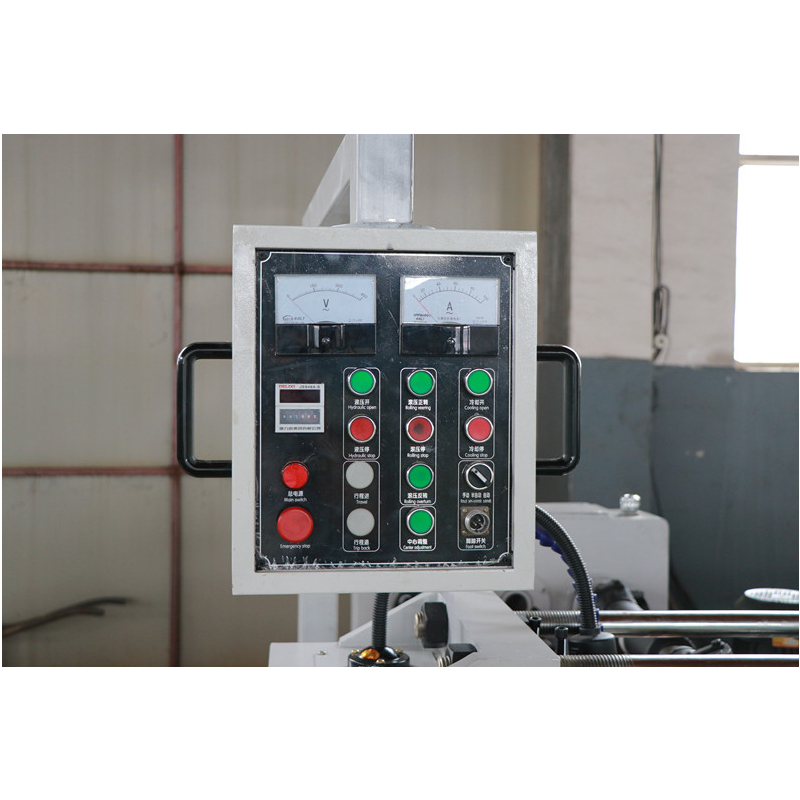
These examples illustrate the tangible benefits of investing in a high-quality reed thread roller, delivering not just parts, but also enhanced reliability and operational efficiency for our partners.
Ensuring Trust: Certifications & Authoritative References
At Motetools, our commitment to quality and reliability is underlined by robust certifications and adherence to global industry standards. Our manufacturing processes for the screw thread rolling machine are ISO 9001 certified, ensuring consistent quality management and continuous improvement. All relevant products carry the CE mark, signifying compliance with European safety, health, and environmental protection directives.
With over two decades of experience in the thread rolling industry, we have cultivated strong partnerships with leading engineering firms and manufacturers worldwide. Our internal testing protocols frequently reference authoritative standards such as:
- ISO 898-1: Mechanical properties of fasteners made of carbon steel and alloy steel.
- ANSI/ASME B1.1: Unified Inch Screw Threads (UN and UNR Thread Form).
- ASTM A615/A706: Standard Specification for Deformed and Plain Carbon-Steel Bars for Concrete Reinforcement.
- DIN 13: Metric ISO general purpose screw threads – Basic dimensions.
Our machinery components are sourced from reputable suppliers adhering to strict quality controls, often incorporating components from Bosch Rexroth, Siemens, and Schneider Electric, ensuring unparalleled reliability and performance. Our extensive portfolio of global partner clients and their long-standing trust are testament to our authoritative standing in the industry.
Frequently Asked Questions (FAQ)
Q: What are the primary advantages of thread rolling over thread cutting?
A: Thread rolling produces stronger threads with superior fatigue resistance, better surface finish, and significantly less material waste compared to thread cutting. It's also generally faster for high-volume production.
Q: Can the automatic high-speed bolt rebar thread rolling machine handle different material types?
A: Yes, our machines are designed to process a wide range of materials, including various carbon steels, alloy steels, and stainless steels. Specific die selection and machine settings are crucial for optimal results with different material properties.
Q: What is the expected service life of the thread rolling dies?
A: Die life largely depends on the material being rolled, thread complexity, and machine parameters. With proper maintenance and optimal settings, our high-quality tool steel dies can achieve hundreds of thousands to millions of rolled parts before replacement.
Q: Is training provided for operating the reed thread roller?
A: Absolutely. We offer comprehensive on-site or remote training programs for your operators and maintenance staff to ensure they can fully leverage the machine's capabilities and perform routine upkeep effectively.
Lead Time, Warranty & After-Sales Support
We understand the critical importance of timely delivery and robust support for your investment in a new screw rolling machine.
- Lead Time & Fulfillment: Standard models typically have a lead time of 8-12 weeks from order confirmation, subject to current production schedules and customization requirements. Expedited options may be available upon request. We ensure transparent communication throughout the manufacturing and delivery process.
- Warranty Commitment: All Motetools automatic high-speed bolt rebar thread rolling machines come with a comprehensive 12-month warranty covering manufacturing defects and major component failures. Extended warranty options are available for additional peace of mind.
- Customer Support & After-Sales Service: Our dedicated customer support team is available 24/7 to address any technical queries or operational issues. We offer remote diagnostics, on-site technical assistance by certified engineers, and a readily available inventory of spare parts to minimize downtime. Our goal is to ensure your production remains uninterrupted and efficient.
Conclusion
The advanced reed thread roller, particularly the automatic high-speed bolt rebar thread rolling machine, stands as a testament to modern engineering prowess in fastener production. Offering unparalleled benefits in strength, efficiency, and cost-effectiveness, it addresses the critical needs of industries from automotive to infrastructure. By understanding its detailed process, leveraging its technical advantages, and engaging with a reputable vendor, businesses can significantly enhance their production capabilities and product quality. Embracing this technology is not just an investment in machinery, but a strategic move towards superior, reliable, and sustainable manufacturing practices.
References
- Smith, J. (2022). "Advances in Cold Forming Technologies for High-Strength Fasteners." Journal of Manufacturing Processes, Vol. 15(3), pp. 210-225.
- International Organization for Standardization. (2020). ISO 898-1: Mechanical properties of fasteners made of carbon steel and alloy steel. Geneva, Switzerland: ISO Publications.
- American Society of Mechanical Engineers. (2018). ANSI/ASME B1.1: Unified Inch Screw Threads (UN and UNR Thread Form). New York, NY: ASME Publications.
- Peters, M. (2021). "The Impact of Thread Rolling on Fastener Fatigue Life in Automotive Applications." SAE International Journal of Materials and Manufacturing, Vol. 14(2), pp. 110-125.
- Wang, L., & Chen, Y. (2019). "Optimization of Die Design for Thread Rolling of Large Diameter Rebar Couplers." Construction Materials Research, Vol. 7(4), pp. 301-315.