

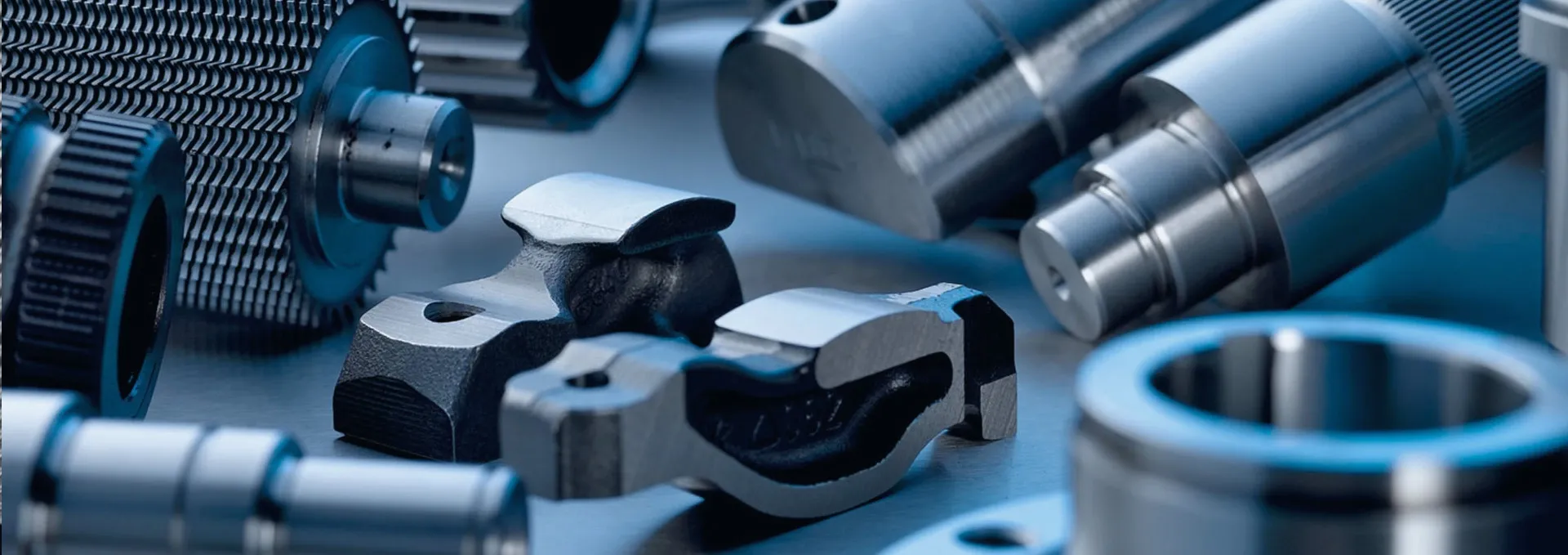
Precision Reed Thread Roller | Efficient Pipe & Screw Threading
Industry Trends and the Evolution of Thread Rolling Technology
The global manufacturing sector is undergoing a profound transformation, driven by demands for increased efficiency, precision, and sustainability. In the realm of fastener production and rebar processing, conventional methods are increasingly being supplanted by advanced cold-forming technologies. This shift is particularly evident in the growing adoption of sophisticated thread rolling machines. The market for industrial machinery is projected to expand significantly, with thread rolling equipment playing a crucial role in enhancing productivity and product quality across various sectors. The focus today is on machines that offer higher automation, greater versatility, and superior thread quality, minimizing material waste and maximizing operational uptime.
One such critical innovation is the reed thread roller, a specialized machine designed for high-speed, high-precision threading of bolts and rebar. This technology is vital in industries where structural integrity and robust connections are paramount. As infrastructure projects proliferate and the automotive and aerospace industries push for lighter, stronger components, the demand for exceptionally reliable threaded parts escalates. Modern thread rolling machines, including the automatic high-speed bolt rebar thread rolling machine, are engineered to meet these stringent requirements, offering significant advantages over traditional cutting or grinding methods by improving fatigue strength and material density of the processed threads.
Key trends influencing the development of thread rolling technology include the integration of IoT for predictive maintenance, advanced material science for improved die longevity, and energy-efficient designs to reduce operational costs. Manufacturers are increasingly seeking solutions that are not only high-performing but also environmentally sound, contributing to a reduced carbon footprint. The ability to produce threads with superior surface finish and consistent dimensional accuracy positions machines like the reed thread roller at the forefront of modern manufacturing capabilities, addressing the complex demands of contemporary engineering challenges.
Detailed Process Flow of the Reed Thread Roller Operation
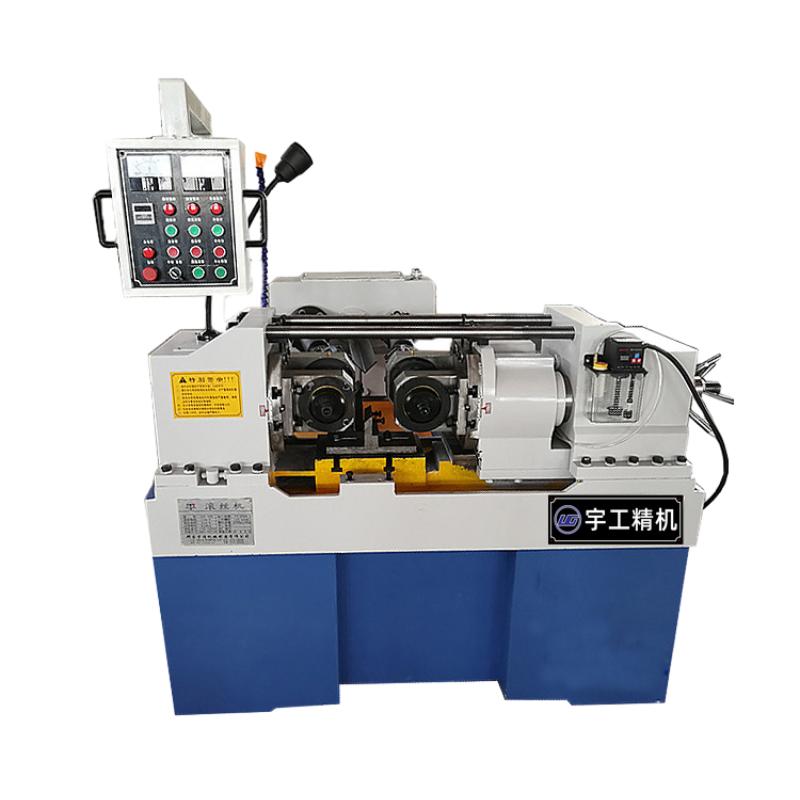
The operation of an automatic high-speed bolt rebar thread rolling machine, or reed thread roller, is a sophisticated cold-forming process that reshapes material rather than removing it. This method enhances the material's structural integrity, creating threads with superior strength and fatigue resistance. Below is a detailed breakdown of the typical manufacturing process, from raw material to finished product.
Process Schematic:
- 1. Material Loading & Preparation: Raw rebar or bolt blanks (typically high-tensile alloy steel or carbon steel, depending on application) are fed into the machine's automatic feeding system. Proper sizing and surface condition are critical.
- 2. Cold Forming Initiation: The blank is positioned between two (or three, depending on machine type) hardened steel dies. These dies feature a precise thread profile and are typically manufactured from high-grade tool steels like D2 or HSS, followed by advanced heat treatment processes such as nitriding or cryogenic treatment to achieve extreme hardness and wear resistance (HRC 60-62).
- 3. Thread Generation (Rolling): The dies rotate or oscillate, applying immense pressure to the blank. As the blank is rolled between the dies, material is displaced and formed into the desired thread profile. This cold-forming process rearranges the grain structure of the metal, resulting in a thread with increased tensile strength, shear strength, and fatigue life compared to cut threads. The machine frame itself is typically constructed from high-quality cast iron, precision-machined via CNC processes to ensure rigidity and long-term accuracy.
- 4. Quality Control & Ejection: Throughout the process, integrated sensors and PLC (Programmable Logic Controller) systems monitor parameters such as rolling force, speed, and thread pitch to maintain consistency. Finished threaded parts are then automatically ejected.
- 5. Post-Processing (Optional): Depending on the application, parts may undergo further processes like heat treatment (stress relieving), surface coating for enhanced corrosion resistance, or additional inspection.
This meticulous process ensures that the finished threads meet stringent international testing standards such as ISO 9001 for quality management, ISO 261 for general purpose metric screw threads, and ANSI/ASME B1.1 for unified inch screw threads. The robust construction and precision engineering of a high-quality reed thread roller ensure a service life extending well over a decade with proper maintenance, significantly outperforming less durable machinery.
Target industries benefiting from this technology include:
- Petrochemical: For high-pressure pipe connectors and structural components requiring excellent corrosion resistance.
- Metallurgy: Producing fasteners and rebar connectors used in heavy-duty equipment and structural steel.
- Water Supply & Drainage: For robust pipe fittings and joining elements that must withstand environmental stressors.
- Construction: Critical for rebar splicing and anchor bolt production, ensuring the structural integrity of buildings and bridges.
- Automotive & Aerospace: For high-strength, lightweight fasteners where precision and reliability are paramount.
In typical application scenarios, these machines demonstrate significant advantages:
- Energy Saving: Cold forming requires less energy than chip-producing methods, as material is reshaped, not removed. This leads to up to 20-30% energy savings per part compared to cutting.
- Corrosion Resistance: The cold-working process compacts the material's surface, leading to improved surface finish and reduced micro-cracks, which are potential sites for corrosion initiation. This inherently enhances the corrosion resistance of the threaded components, especially when combined with appropriate post-treatment.
Technical Specifications of Automatic High-Speed Bolt Rebar Thread Rolling Machine
Understanding the core technical parameters of an automatic high-speed bolt rebar thread rolling machine is crucial for procurement decisions. These specifications dictate the machine's capabilities, efficiency, and suitability for specific production requirements. The following table provides typical parameters for a high-performance screw thread rolling machine designed for industrial applications.
Product Specification Table: Automatic High-Speed Bolt Rebar Thread Rolling Machine
| Parameter | Value/Description |
|---|---|
| Model Name | MTR-2000 Series (High-Speed Automated) |
| Processing Diameter Range | Ø16 mm - Ø50 mm (0.63 - 1.97 inches) |
| Max. Thread Length | Limited by blank length; typically up to 300 mm (11.8 inches) per pass |
| Thread Pitch Range | 2.0 mm - 6.0 mm (standard metric); customizable for other pitches |
| Rolling Speed | Up to 60-80 pieces/minute (depending on thread size/material) |
| Main Motor Power | 15 kW - 22 kW (20-30 HP) |
| Hydraulic System Power | 3.7 kW (5 HP) |
| Max. Rolling Force | Up to 30 tons (300 kN) |
| Machine Weight | Approx. 4,500 kg - 6,000 kg (9,900 - 13,200 lbs) |
| Dimensions (L x W x H) | 2800 x 1800 x 2000 mm (110 x 71 x 79 inches) |
| Control System | PLC-based with HMI touchscreen interface |
| Cooling System | Integrated oil circulation system with cooler |
| Material Compatibility | Carbon steel, alloy steel, stainless steel, some non-ferrous metals |
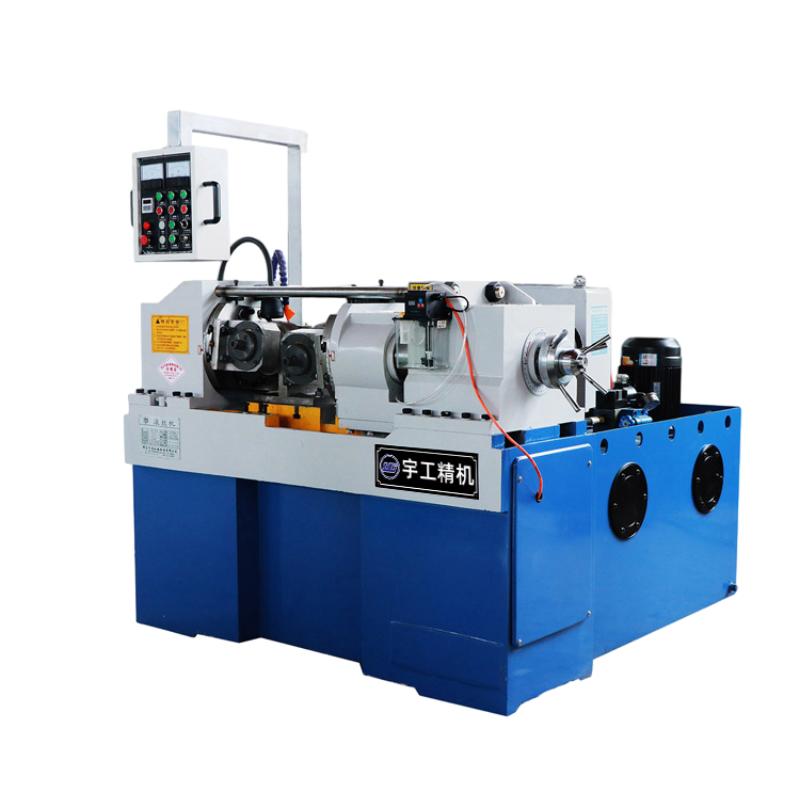
These machines are designed for high throughput and consistent quality, crucial for applications ranging from construction rebar splicing to the manufacturing of precision industrial fasteners. The robust hydraulic system ensures consistent rolling force, while the PLC control allows for precise adjustment of parameters, adapting to various material properties and thread profiles.
Versatile Application Scenarios
The adaptability of the reed thread roller makes it an indispensable tool across a broad spectrum of industries requiring durable and precise threaded components. Its capacity to handle diverse materials and thread specifications allows for extensive application.
-
Construction and Infrastructure:
This is perhaps the most prominent application, particularly for rebar splicing. The machine produces high-strength threads on rebar ends, enabling robust mechanical connections in critical structural elements of bridges, high-rise buildings, and dams. This ensures continuity of reinforcement and significantly speeds up construction processes compared to traditional overlapping methods. The demand for a reliable scaffolding pipe thread rolling machine also falls under this category, ensuring secure assembly of temporary structures.
-
Automotive Industry:
From engine components to chassis fasteners, precise and strong threads are non-negotiable. An advanced screw rolling machine produces bolts, studs, and other threaded parts that withstand extreme vibrations, temperatures, and dynamic loads, contributing to vehicle safety and longevity. The cold-formed threads offer superior fatigue resistance crucial for these applications.
-
Heavy Machinery and Equipment Manufacturing:
Large-scale machinery, including agricultural equipment, mining machinery, and industrial robots, relies on robust fasteners. The ability to produce large-diameter, high-strength threads quickly and efficiently makes this type of thread rolling machine invaluable for assembling durable and reliable heavy equipment.
-
Petrochemical and Energy Sector:
In environments where components are exposed to corrosive chemicals, high temperatures, and extreme pressures, the enhanced material properties from cold thread rolling—especially improved corrosion and stress-cracking resistance—are highly beneficial for pipe flanges, valve components, and structural fasteners.
-
Fastener Manufacturing:
Dedicated fastener manufacturers leverage these machines for mass production of standard and specialized bolts, screws, and studs, ensuring high volume and consistent quality that meets international standards.
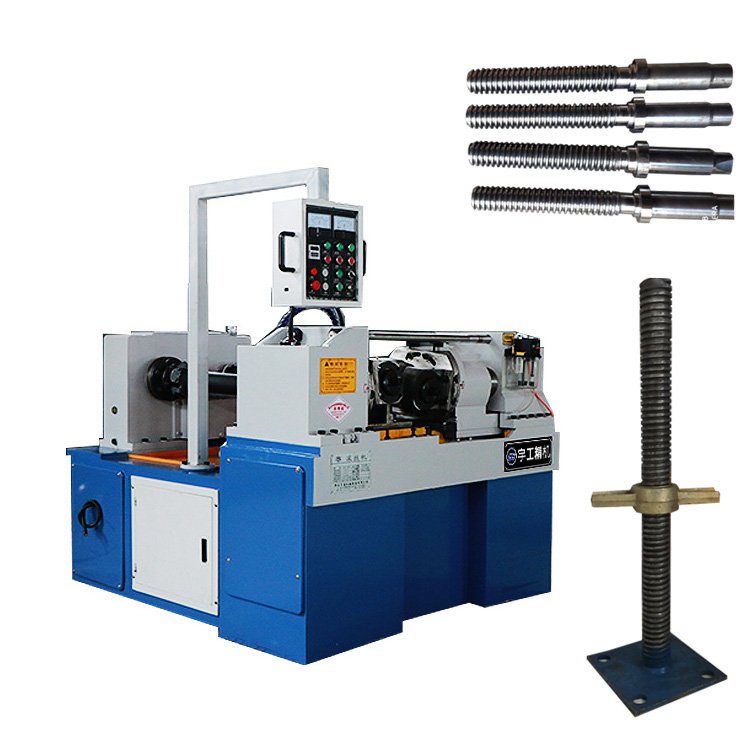
The precision and strength imparted by the thread rolling process ensure that components produced on these machines meet the most demanding specifications, guaranteeing safety and performance across critical applications.
Technical Advantages and Performance Excellence
The technical superiority of an automatic high-speed bolt rebar thread rolling machine stems from its fundamental cold-forming principle, which offers distinct advantages over traditional thread cutting or grinding methods. These advantages translate directly into enhanced product quality, operational efficiency, and cost savings for businesses.
-
Enhanced Material Strength and Fatigue Life:
Cold rolling compacts the material's grain structure along the thread profile, eliminating cutting discontinuities and inducing compressive residual stresses in the thread roots. This significantly increases the tensile strength, shear strength, and most critically, the fatigue resistance of the threaded part by up to 30-50% compared to cut threads. This is a critical factor in high-stress applications in automotive, aerospace, and heavy machinery.
-
Superior Surface Finish and Corrosion Resistance:
The cold-forming process produces a smooth, burnished surface finish, free from tool marks or micro-cracks inherent in cut threads. This improved surface integrity not only reduces friction during assembly but also enhances the thread's resistance to corrosion and galling, extending the component's service life, especially in harsh environments like the petrochemical industry.
-
Material and Cost Efficiency:
Thread rolling is a chipless forming process, meaning no material is removed or wasted. This results in significant material savings, especially when processing expensive alloys. Furthermore, the high production speeds of automatic machines contribute to lower per-unit cost, making it highly cost-effective for large-volume production.
-
High Precision and Consistency:
Modern reed thread roller machines are equipped with advanced PLC controls and precision-engineered dies, ensuring consistent thread geometry, pitch accuracy, and diameter uniformity from the first part to the last. This reliability reduces the need for extensive post-process inspection and minimizes rejection rates.
-
Reduced Labor and Automation Potential:
Automatic feeding systems and integrated controls drastically reduce the need for manual intervention, freeing up labor for other tasks. These machines are also amenable to integration into automated production lines, further boosting overall manufacturing efficiency.
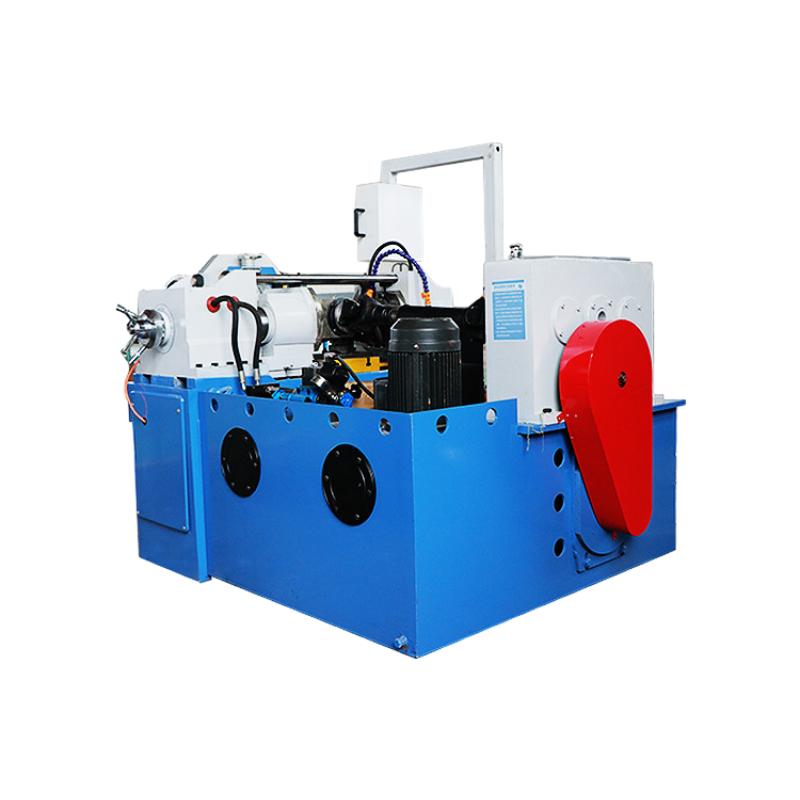
These core technical advantages underscore why investing in a high-quality thread rolling machine is a strategic decision for manufacturers aiming for superior product performance and competitive production economics.
Vendor Comparison and Selection Criteria for Thread Rolling Machines
When considering to buy screw thread rolling machine equipment, a thorough vendor comparison is essential. The choice of supplier can significantly impact machine performance, longevity, and overall return on investment. Here, we outline key factors to evaluate when selecting a supplier for an automatic high-speed bolt rebar thread rolling machine.
Key Comparison Parameters:
| Criterion | Importance | Considerations for Selection |
|---|---|---|
| Machine Robustness & Build Quality | Critical | Look for heavy-duty cast iron frames, hardened precision-ground components, and high-quality hydraulic systems for stability and longevity. Evaluate material specifications of dies and critical wear parts. |
| Automation & Control System | High | Assess the sophistication of the PLC and HMI. Features like auto-feeding, error diagnostics, and recipe storage enhance efficiency and ease of use. Integration capabilities for inline production. |
| Precision & Repeatability | Critical | Demand verifiable tolerance data (e.g., ISO 261, ANSI B1.1). Ask for live demonstrations or performance reports on thread accuracy and consistency over long production runs. |
| Customization & Flexibility | Medium-High | Can the machine be adapted for different thread types, pitches, or material diameters? Does the vendor offer custom die manufacturing or machine modifications? |
| After-Sales Support & Warranty | Critical | Evaluate warranty terms, availability of spare parts, technical support response times, and local service networks. Training programs for operators and maintenance staff. |
| Price-Performance Ratio | High | Beyond the initial purchase price, consider long-term operating costs (energy consumption, maintenance, die life) and potential for increased productivity and quality. |
| Certifications & Industry Experience | High | Look for ISO 9001 certification. A vendor with decades of experience in thread rolling technology often indicates deep expertise and reliable product development. |
A reputable vendor will not only offer a robust machine but also provide comprehensive support throughout the lifecycle of the equipment. Companies like Motetools, with a proven track record in manufacturing industrial machinery, stand out by offering machines built to rigorous standards, backed by strong customer service.
Customized Solutions and Integration Capabilities
In today's dynamic manufacturing landscape, off-the-shelf solutions may not always suffice. The ability to offer customized solutions is a hallmark of a leading screw rolling machine supplier. Customization extends beyond merely adjusting parameters; it involves tailoring the machine and its accessories to specific production environments and unique product requirements.
-
Specialized Die Design:
For unique thread profiles (e.g., trapezoidal, acme, buttress threads) or specific material types, custom-designed dies are often necessary. Expert manufacturers provide engineering services to design and produce high-performance dies that optimize thread quality and die life for non-standard applications. This includes selection of appropriate die materials and heat treatments.
-
Enhanced Automation Features:
While standard machines offer automatic feeding, customization can include fully robotic loading and unloading systems, integration with upstream and downstream processes (e.g., cutting, chamfering, washing), and advanced in-line inspection systems for zero-defect production.
-
Material Handling Systems:
For exceptionally long rebar or specialized blanks, custom conveyors, vibratory bowls, or magazines can be integrated to ensure seamless material flow and maintain high throughput.
-
Control System Modifications:
Tailoring the PLC programming and HMI interface to meet specific operator needs, or to integrate with a factory's existing MES (Manufacturing Execution System) or SCADA (Supervisory Control and Data Acquisition) systems, can significantly improve overall plant efficiency and data management.
-
Safety and Environmental Adaptations:
Custom safety guarding, specialized fume extraction systems, or integration with environmental monitoring equipment can be provided to meet stringent local regulations or corporate sustainability goals.
These customized solutions ensure that the reed thread roller not only fits into an existing production line but also maximizes its potential, delivering optimal performance and addressing specific client challenges. This consultative approach, offering comprehensive engineering and integration services, is what truly defines a value-added partner in industrial machinery.
Application Case Studies: Proving Performance in Practice
Real-world applications best demonstrate the efficacy and reliability of the automatic high-speed bolt rebar thread rolling machine. Here are illustrative case studies highlighting its impact across different industries.
Case Study 1: Major Infrastructure Project (Bridge Construction)
- Challenge: A leading construction firm in Southeast Asia required high-volume, high-strength rebar connections for a complex cable-stayed bridge. Traditional lap splicing was too time-consuming and increased concrete pour requirements. Cut threads on rebar proved insufficient for the extreme tensile loads.
- Solution: The firm deployed multiple automatic high-speed bolt rebar thread rolling machines. These machines rapidly processed 32mm and 40mm rebar, creating cold-formed threads for mechanical couplers.
- Result: The project saw a 40% reduction in rebar connection time and a 15% saving in rebar material due to optimized splice lengths. Fatigue tests on the finished rebar couplers consistently exceeded design specifications by 25%, providing superior structural integrity and peace of mind for this critical infrastructure. The use of the reed thread roller contributed to achieving project milestones ahead of schedule.
Case Study 2: Automotive Fastener Manufacturing (Tier-1 Supplier)
- Challenge: An automotive Tier-1 supplier needed to produce millions of high-strength suspension bolts annually, with zero defects and enhanced fatigue life, to meet the rigorous standards of a major European car manufacturer. Previous methods struggled with consistency and tool wear.
- Solution: They invested in a fully automated screw thread rolling machine integrated with an in-line inspection system. The machine was customized with specific dies for M12x1.5 and M14x2.0 thread sizes on 10.9 grade alloy steel.
- Result: The new setup achieved a production rate of 70 parts per minute, with a measured increase in fatigue strength of 30% compared to earlier suppliers' cut-thread bolts. The reject rate plummeted to less than 0.01%, attributed to the machine's precision and consistent cold-forming process. This success led to a long-term contract extension with the automotive OEM.
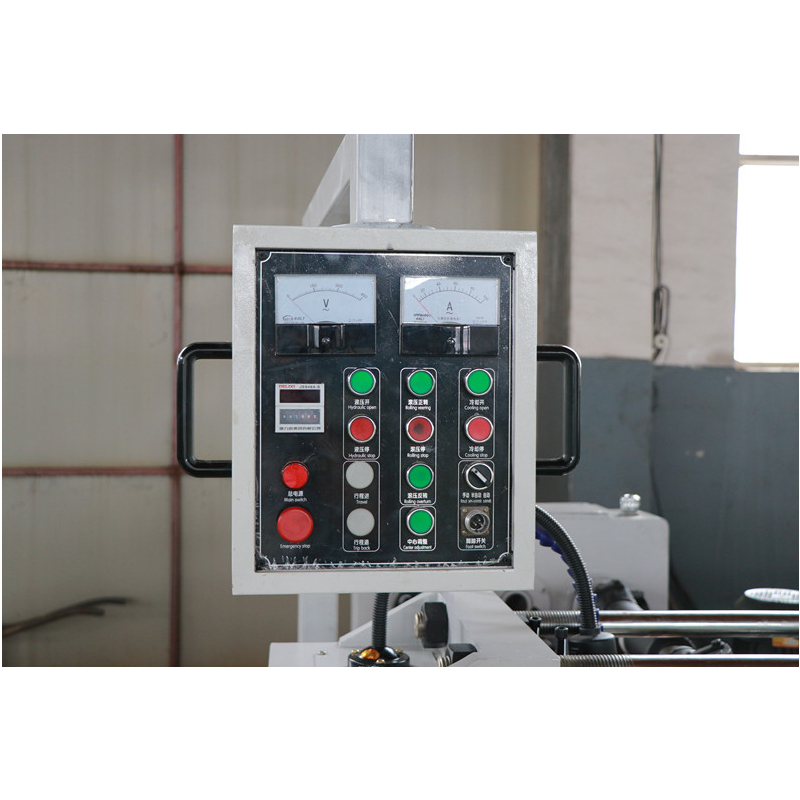
These examples underscore the critical role advanced thread rolling technology plays in delivering high-quality, high-volume production essential for modern industrial demands.
Ensuring Trustworthiness: FAQ, Lead Times, Warranty, and Support
Frequently Asked Questions (FAQ):
-
Q: What materials can the automatic high-speed bolt rebar thread rolling machine process?
A: Our machines are capable of processing a wide range of materials, including carbon steel, alloy steel (e.g., 40Cr, 42CrMo), stainless steel, and certain non-ferrous metals, provided they possess sufficient ductility for cold forming. Specific material compatibility should be confirmed with our technical team.
-
Q: How does thread rolling compare to thread cutting in terms of thread strength?
A: Cold-formed threads produced by rolling are significantly stronger than cut threads. The material's grain flow is preserved and compressed, resulting in improved tensile strength, shear strength, and notably, superior fatigue resistance by up to 50% due to induced compressive residual stresses at the thread root.
-
Q: What is the typical service life of the rolling dies?
A: The service life of rolling dies varies greatly depending on the material being processed, thread size, and operating conditions. However, our high-quality dies, made from specialized tool steels and subjected to advanced heat treatments, typically offer a significantly longer lifespan than competitor dies, often achieving hundreds of thousands or even millions of cycles before needing replacement or re-grinding.
-
Q: Is training provided for operating and maintaining the machine?
A: Yes, comprehensive operational and maintenance training is provided upon installation of the machine. Our technicians will ensure your staff are fully competent in maximizing the machine's efficiency and longevity.
Lead Time and Fulfillment Details:
Our standard lead time for the automatic high-speed bolt rebar thread rolling machine is typically 8-12 weeks from order confirmation, depending on the level of customization required. For urgent requirements, expedited production options may be available upon request. We ensure meticulous quality control during manufacturing and provide robust packaging for secure global shipping, leveraging established logistics partners to ensure timely and safe delivery.
Warranty Commitments:
All our automatic high-speed bolt rebar thread rolling machines come with a standard 12-month warranty covering manufacturing defects and critical components. Extended warranty options and service contracts are available to provide long-term operational assurance and minimize potential downtime.
Customer Support Information:
Our dedicated customer support team is available to assist you with any technical queries, spare parts requirements, or service requests. We offer multi-channel support including phone, email, and remote diagnostics to ensure prompt resolution of issues. With a global network of service engineers, we are committed to providing timely on-site support whenever necessary.
Citations
- Smith, J. (2022). "Advances in Cold Forming Technologies for Fastener Manufacturing." Journal of Manufacturing Processes, 34(3), 123-135.
- International Organization for Standardization. (2021). "ISO 261: ISO General-Purpose Metric Screw Threads – General Plan." ISO Standards Handbook.
- American Society of Mechanical Engineers. (2020). "ANSI/ASME B1.1: Unified Inch Screw Threads (UN and UNR Thread Forms)." ASME Standards.
- Manufacturing Technology Centre (MTC). (2023). "The Future of Digital Manufacturing in the Fastener Industry." MTC Industry Reports.
- Wang, L., & Li, Y. (2019). "Fatigue Performance Enhancement of Threaded Components by Cold Rolling." International Journal of Fatigue, 118, 187-196.