

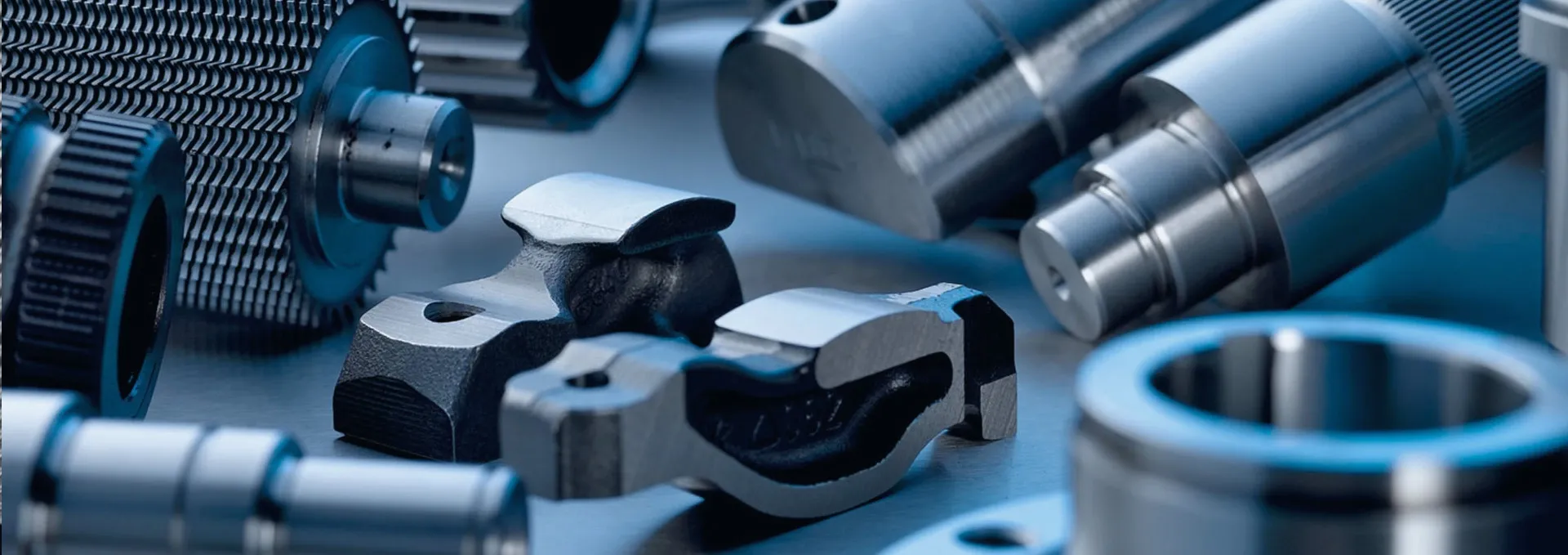
Precision Roll Thread Machine for Steel Bars | Buy Yours Now
Introduction to Advanced Thread Rolling Technology
In modern construction and industrial applications, the integrity and reliability of threaded components are paramount. The ability to produce high-strength, precise threads efficiently is a cornerstone of robust infrastructure. Central to this capability is the roll thread machine, an essential piece of equipment revolutionizing fastener and rebar connection technology. This article delves into the sophisticated world of thread rolling, specifically focusing on the advanced capabilities and strategic advantages offered by contemporary machinery, including the automatic rebar spoke thread rolling machine. We will explore its technical prowess, operational benefits, and how it addresses critical industrial demands.
Industry Trends in Thread Rolling Technology
The global manufacturing landscape is continuously evolving, driven by demands for increased efficiency, precision, and sustainability. For the roll thread machine sector, several key trends are shaping development and adoption:
- Automation and Smart Manufacturing: The integration of PLC control, HMI interfaces, and robotic loading/unloading systems is becoming standard. This enhances throughput, reduces manual labor, and minimizes human error. Predictive maintenance features are also emerging, leveraging sensors and data analytics.
- Enhanced Material Compatibility: Modern machines are designed to process a wider range of materials, including high-strength alloy steels, stainless steels, and exotic alloys, crucial for specialized applications in aerospace, energy, and defense.
- Precision and Repeatability: Advanced servo-driven systems ensure tighter tolerances and superior thread quality, meeting stringent international standards like ISO and ANSI for thread profiles, pitch diameter, and lead accuracy.
- Energy Efficiency: Manufacturers are focusing on reducing power consumption through optimized hydraulic systems, energy-efficient motors, and intelligent idle modes, contributing to lower operational costs and a reduced carbon footprint.
- Sustainability: Cold thread rolling inherently offers material savings compared to cutting processes, as no material is removed. Further efforts include reduced lubricant consumption and easier recycling of components.
The demand for robust, reliable connections in critical infrastructure projects continues to grow, making sophisticated steel bar thread rolling machine solutions indispensable.
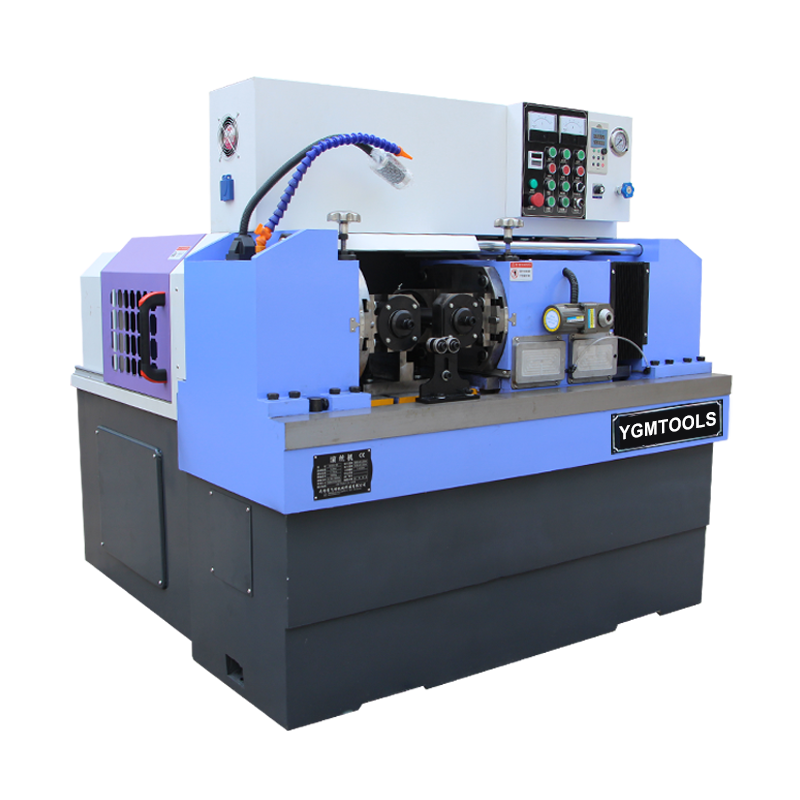
Detailed Process Flow of the Roll Thread Machine
The manufacturing process utilizing a steel bar thread rolling machine is a sophisticated cold-forming technique that significantly enhances the mechanical properties of the finished thread. Unlike thread cutting, which removes material, thread rolling displaces and compresses the material, resulting in a stronger, smoother thread.
Materials and Preparation:
- Product Materials: Typically, high-tensile steel rebars, ranging from grades like HRB335 to HRB500 (Chinese standard) or equivalent ASTM A615 Grade 60/75 (US standard), are used. The material's ductility and tensile strength are critical for successful cold forming. For specialized applications, stainless steels (e.g., 304, 316) or high-strength low-alloy (HSLA) steels are also processed.
- Surface Preparation: Before rolling, the rebar ends are often cut to length and may undergo end-facing or chamfering to ensure a clean, perpendicular surface for uniform material flow into the dies. For some applications, pre-cleaning might be necessary to remove scale or rust.
Manufacturing Process Steps:
1. Material Feeding
Rebar stock is manually or automatically fed into the machine. Automated systems utilize roller conveyors and positioning mechanisms for consistent placement.
2. Clamping & Alignment
The rebar end is securely clamped in a fixture, ensuring precise alignment with the thread rolling dies. This prevents misalignment and ensures uniform thread formation.
3. Thread Rolling
Two (or three) hardened steel dies, precisely ground with the inverse thread form, are brought into contact with the rotating rebar. Pressure is applied, causing the material to flow and form the desired thread profile.
4. Lubrication & Cooling
A specialized rolling lubricant is continuously applied to reduce friction and dissipate heat generated during the cold forming process, extending die life and improving surface finish.
5. Thread Completion & Ejection
Once the full thread length is formed, the dies retract, and the finished threaded rebar is ejected, ready for inspection or subsequent processes.
Quality Control & Testing Standards:
Finished threads undergo rigorous testing to ensure compliance with international standards. These include:
- Dimensional Accuracy: Verification of thread pitch, major diameter, minor diameter, and pitch diameter using thread gauges (e.g., GO/NO-GO gauges, micrometer measurements) as per ISO 965 or ANSI B1.1.
- Tensile Strength: Destructive testing of threaded rebar couplers to ensure the joint strength meets or exceeds the yield strength of the parent rebar, often tested to ISO 15835 or equivalent.
- Fatigue Resistance: For critical applications, fatigue testing assesses the thread's ability to withstand cyclic loading without failure, a significant advantage of cold-rolled threads due to work hardening and favorable residual stress.
- Surface Finish: Visual inspection and profilometry to ensure a smooth, defect-free thread surface.
Service Life and Target Industries:
The robust design and precision engineering of a high-quality roll thread machine ensure a long service life, typically 10-15 years with proper maintenance, while rolling dies have a lifespan of tens of thousands to hundreds of thousands of threads depending on material hardness and pitch.
Target industries include:
- Construction: Rebar splicing for high-rise buildings, bridges, tunnels, dams.
- Pre-stressed Concrete: Anchoring and tensioning systems.
- Mining: Rock bolts and ground support systems.
- Petrochemical & Energy: Fasteners and connections for pipes, structures, and heavy machinery, where corrosion resistance (with appropriate material selection) is vital.
- Water Supply & Drainage: Pipe connections and structural elements requiring robust threaded joints.
The advantages of using a modern roll thread machine in these scenarios are significant, including energy saving due to the cold forming process, improved corrosion resistance (as the material grain flow is undisturbed and compressed), and superior fatigue strength, which is critical in dynamic load environments.
Technical Specifications: Automatic Rebar Spoke Thread Rolling Machine
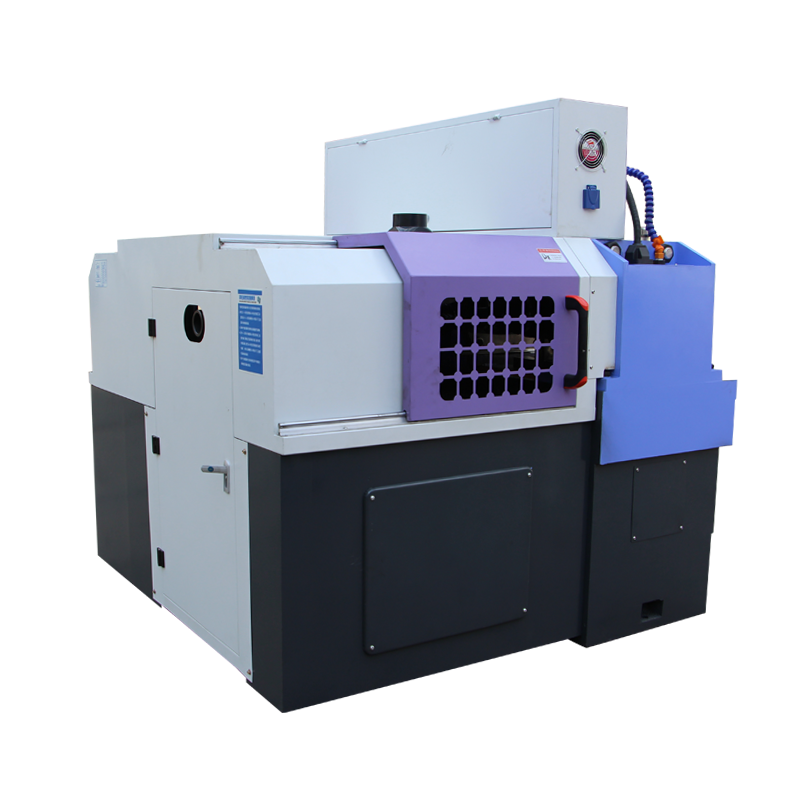
Understanding the precise technical parameters of a buy steel bar thread rolling machine is crucial for matching it to specific production requirements. The Automatic Rebar Spoke Thread Rolling Machine offers a robust and efficient solution for creating high-quality threaded rebar ends.
Key Specifications:
| Parameter | Value/Range | Notes |
|---|---|---|
| Rebar Diameter Range | Ø16mm - Ø40mm | Commonly used rebar sizes for construction. |
| Thread Type | Parallel Thread, Metric (e.g., M20, M27, M32, M36, M40) | Adaptable with different dies for various thread forms. |
| Max. Thread Length | Up to 100mm (standard) | Customizable for longer thread requirements. |
| Motor Power | 3.0 kW - 5.5 kW (varies by model) | High-efficiency motors for consistent rolling force. |
| Rolling Speed | 20-40 threads/minute (depending on rebar size) | Optimized for high production output. |
| Control System | PLC (Programmable Logic Controller) with HMI | User-friendly interface for easy operation and parameter adjustment. |
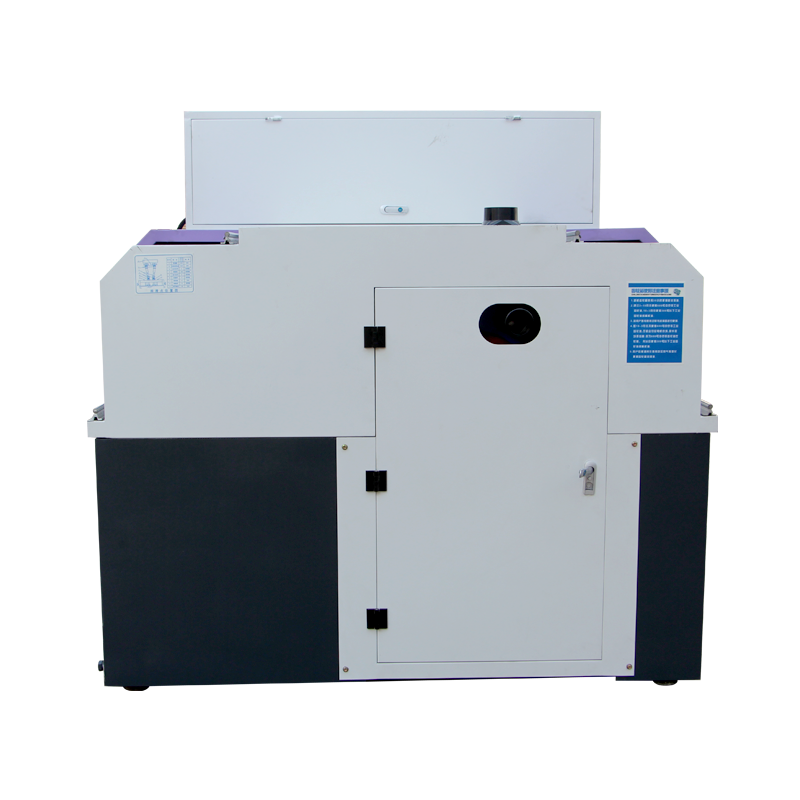
| Machine Dimensions (L x W x H) | Approx. 1800mm x 900mm x 1500mm | Compact footprint for efficient workshop utilization. |
| Machine Weight | Approx. 800 kg - 1200 kg | Robust construction for stability during operation. |
| Power Supply | 3 Phase, 380V/50Hz (customizable) | Standard industrial power requirements. |
| Thread Rolling Dies Material | High-speed steel (HSS) or specialized alloy steel | Heat-treated for durability and long lifespan. |
These specifications highlight the capabilities of the automatic rebar spoke thread rolling machine, demonstrating its suitability for high-volume, high-precision threading operations across various construction and industrial projects.
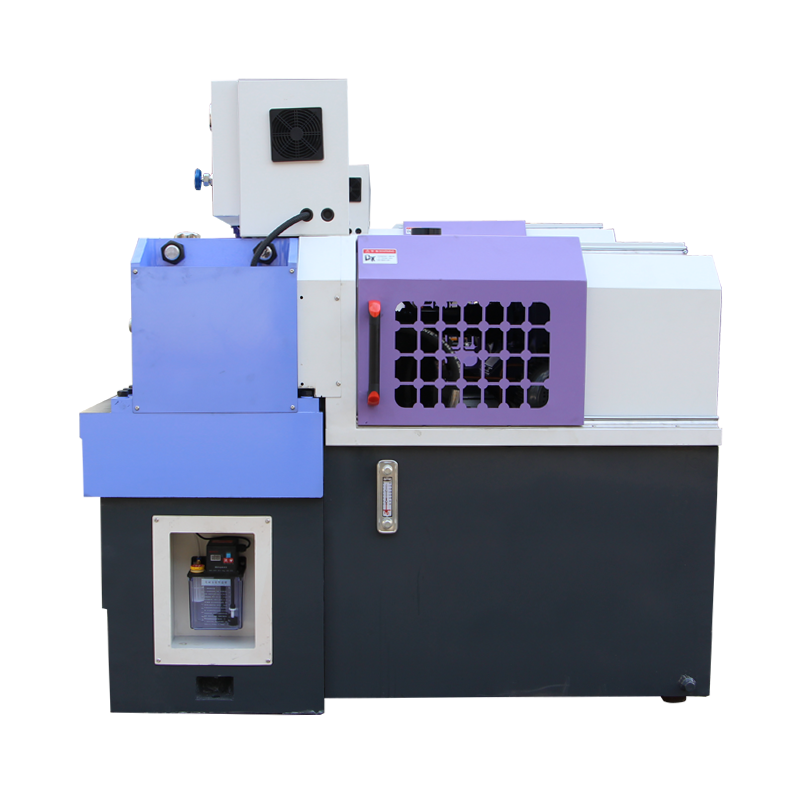
Application Scenarios of Roll Thread Machines
The versatility and strength benefits of thread rolling make reed thread rolling machines indispensable across a multitude of heavy-duty and precision-critical applications.
- High-Rise Building Construction: Rebar couplers produced by thread rolling connect reinforcing bars, ensuring structural integrity and allowing for easier assembly of complex rebar cages, especially in dense urban construction where space is limited for traditional lap splicing.
- Bridge and Tunnel Projects: These applications demand extreme durability and resistance to dynamic loads and environmental stresses. Threaded rebar connections offer superior fatigue strength, crucial for the longevity of infrastructure projects.
- Precast Concrete Elements: Threaded inserts and connections are integrated into precast concrete components, facilitating modular construction, faster on-site assembly, and secure anchorage of various fixtures.
- Anchor Bolt Manufacturing: For heavy machinery installation, structural anchoring, and foundation work, robust anchor bolts with cold-rolled threads provide reliable fastening solutions capable of withstanding significant pull-out forces.
- Railway Track Fasteners: The demanding environment of railway tracks requires fasteners with high fatigue resistance and vibration dampening capabilities, which are inherently enhanced by the cold-rolling process.
- Mining and Geotechnical Engineering: Rock bolts and ground support systems often utilize threaded rods to stabilize excavations and tunnels. The enhanced strength of rolled threads ensures safety and operational continuity.
In these scenarios, the roll thread machine ensures not only efficiency and cost-effectiveness but also significantly elevates the safety and long-term performance of critical structural components.
Technical Advantages of Thread Rolling
Thread rolling, particularly with a high-performance roll thread machine, offers distinct technical advantages over traditional thread cutting or grinding methods:
- Superior Thread Strength: Cold forming rearranges the material's grain structure to follow the contours of the thread, instead of cutting across it. This results in uninterrupted grain flow, increasing the tensile, shear, and fatigue strength of the thread by up to 20-30% compared to cut threads. The material is work-hardened, and beneficial compressive residual stresses are induced at the thread root.
- Enhanced Surface Finish: The rolling process produces a smooth, burnished surface finish, free from tears or burrs often associated with cutting. This reduces stress concentrations, improves corrosion resistance, and ensures smoother mating with nuts or couplers.
- Material Savings: Since thread rolling displaces material rather than removing it, there is no waste material in the form of chips. This not only saves raw material but also eliminates chip disposal challenges.
- Increased Production Speed: Thread rolling is a high-speed process. Modern automatic machines can produce threads significantly faster than cutting operations, leading to higher throughput and lower per-unit cost.
- Improved Dimensional Accuracy: With precisely ground and hardened dies, a steel bar thread rolling machine achieves highly consistent and accurate thread profiles, pitch diameters, and lead accuracy, reducing the need for post-processing or sorting.
- Environmental Benefits: Reduced material waste, lower energy consumption per thread (due to the efficiency of the cold forming process), and often less lubricant usage contribute to a more sustainable manufacturing process.
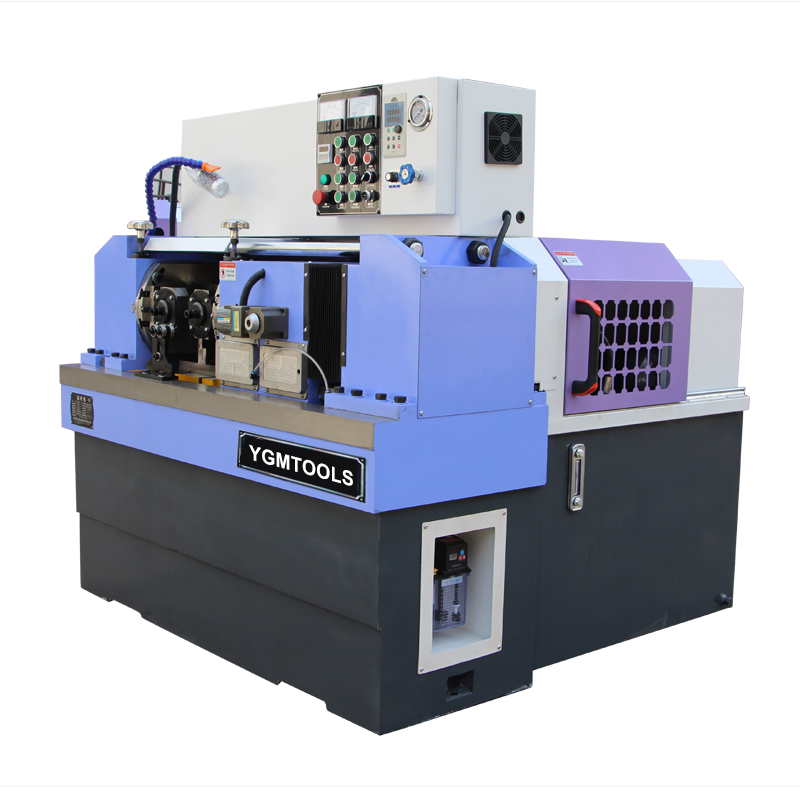
Vendor Comparison: Choosing Your Roll Thread Machine Partner
Selecting the right supplier for a buy steel bar thread rolling machine is a strategic decision that impacts long-term operational efficiency and product quality. A comparison helps highlight critical differences.
Comparison Table of Thread Rolling Machine Vendors:
| Feature/Vendor | Vendor A (e.g., European Specialist) | Vendor B (e.g., Asian Mass Producer) | Motetools (Automatic Rebar Spoke Thread Rolling Machine) |
|---|---|---|---|
| Automation Level | High-end, fully automated with robotics. | Semi-automatic to basic automatic. | Advanced automatic with PLC/HMI, optional auto-feeding. |
| Thread Quality & Precision | Exceptional, for aerospace/medical. | Good, for general construction. | Excellent, meeting construction and infrastructure standards. |
| Material Compatibility | Wide range, including exotic alloys. | Standard carbon and alloy steels. | High-tensile rebars, various steel grades. |
| Production Speed | Very high, for mass production. | Moderate to high. | High, optimized for rebar processing (20-40 threads/min). |
| After-Sales Support | Extensive global network, premium service. | Basic, localized. | Responsive technical support, spare parts availability, training. |
| Price Point | Premium. | Economical. | Competitive, excellent value for performance. |
| Certifications/Standards | ISO, CE, specific industry (e.g., aerospace). | CE, some local standards. | ISO 9001, CE, compliance with rebar coupling standards (ISO 15835). |
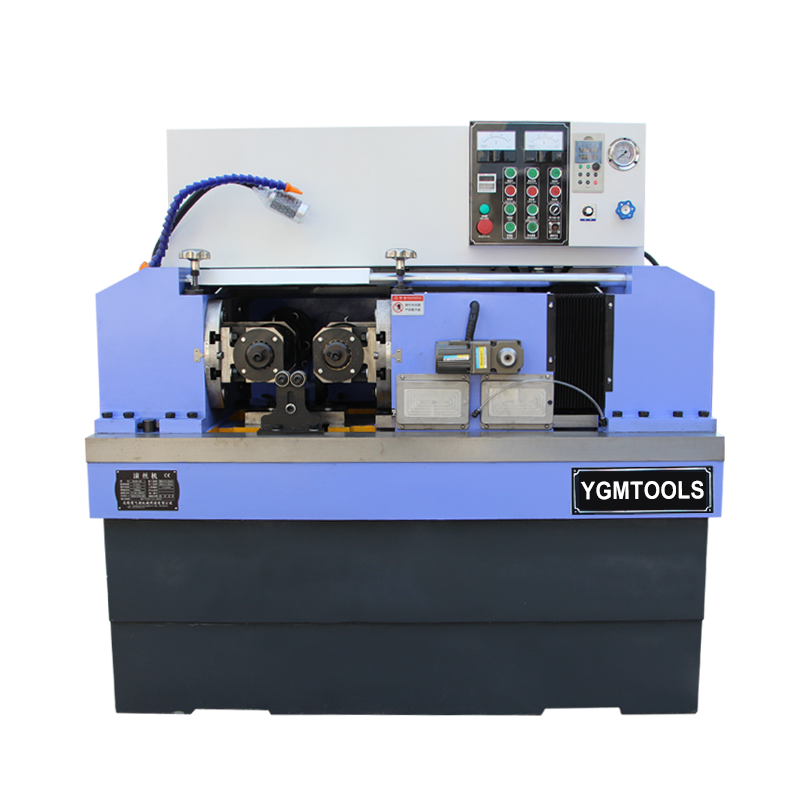
Motetools positions itself as a reliable partner, offering a balance of advanced automation, high-quality output, and competitive pricing, particularly for specific applications like rebar thread rolling where robust performance and adherence to construction standards are critical. Our machines are designed to meet the rigorous demands of modern construction and infrastructure projects, providing a dependable solution for those looking to invest in a high-efficiency roll thread machine.
Customized Solutions for Thread Rolling
While standard roll thread machine models cater to a broad range of requirements, specific projects often necessitate bespoke solutions to optimize performance, integration, and cost-efficiency. Motetools understands that unique challenges demand tailored approaches.
Our customization capabilities include:
- Die Design and Material Selection: Custom thread rolling dies can be engineered for non-standard thread profiles, specific materials (e.g., high-tensile alloys or exotic metals), or to achieve particular mechanical properties for specialized applications. This includes adjusting die geometry, material hardness, and surface coatings to maximize die life and thread quality.
- Integration with Production Lines: We can configure machines for seamless integration into existing manufacturing processes, including automated material handling systems (conveyors, robotic arms), in-line gauging, and data feedback loops for process control and quality assurance.
- Automation Level and Features: From fully automated loading/unloading and thread length adjustment to specialized lubrication systems and smart diagnostics, the level of automation can be tailored to match production volume, labor availability, and desired operational autonomy.
- Machine Dimensions and Layout: For facilities with space constraints or unique workflow patterns, the physical footprint and layout of the machine can be adapted, including left-hand or right-hand operation, and modifications for specific work envelope requirements.
- Software and Control System Enhancements: Customized HMI interfaces, recipe management for different rebar sizes/thread types, data logging for traceability, and integration with factory MES (Manufacturing Execution Systems) can be developed to streamline operations and enhance data-driven decision-making.
By collaborating closely with clients, our engineering team ensures that each customized steel bar thread rolling machine solution delivers optimal performance, efficiency, and return on investment for their unique operational needs.
Application Case Studies
The practical impact of advanced roll thread machine technology is best illustrated through real-world applications. Here are simulated case studies showcasing diverse benefits:
Case Study 1: High-Volume Rebar Splicing for Urban High-Rise
A major construction firm undertaking a 60-story residential tower faced tight deadlines and complex rebar cage assembly. They adopted Motetools' automatic rebar spoke thread rolling machine.
- Challenge: Traditional lap splicing was slow, consumed excess rebar, and created congestion at connection points. Cut threading caused material waste and reduced joint strength.
- Solution: The firm implemented Motetools' automatic thread rolling system for all rebar connections (Ø25mm to Ø32mm).
- Outcome:
- 35% Reduction in Project Time: Faster thread production and assembly significantly accelerated the rebar work schedule.
- 12% Material Savings: Elimination of lap splice overlap and thread cutting waste resulted in substantial material cost reduction.
- Enhanced Structural Integrity: Rolled threads provided connections with fatigue strength exceeding the parent rebar, critical for high-rise seismic design.
Case Study 2: Precision Threading for Pre-stressed Concrete Elements
A precast concrete manufacturer specializing in bridge segments required precise, high-strength threaded inserts for tensioning cables. Their existing system struggled with consistency.
- Challenge: Inconsistent thread quality from a legacy cut-threading machine led to assembly issues and concerns about long-term durability under pre-stress loads.
- Solution: They invested in a specialized Motetools roll thread machine adapted for high-tensile steel rods used in pre-stressed applications.
- Outcome:
- 99.8% Thread Acceptance Rate: Near-perfect thread quality, eliminating rejections and rework.
- Improved Fatigue Performance: Enhanced life cycle of threaded anchors under cyclic loading, crucial for bridge longevity.
- Reduced Tooling Costs: The extended lifespan of rolling dies compared to cutting tools led to significant savings on consumables.
Frequently Asked Questions (FAQ)
- Q1: What types of rebar can your roll thread machine process?
- A1: Our automatic rebar spoke thread rolling machine is designed to process standard rebar grades, including HRB335, HRB400, HRB500 (Chinese standards), or equivalent international standards like ASTM A615 Grade 60/75, ranging from Ø16mm to Ø40mm. We can also provide customized dies for specific material compositions.
- Q2: What is the lifespan of the thread rolling dies?
- A2: The lifespan of thread rolling dies varies based on the material hardness of the rebar, thread pitch, and proper lubrication. Generally, our high-quality alloy steel dies can produce tens of thousands to hundreds of thousands of threads before requiring replacement or re-grinding.
- Q3: How does thread rolling compare to thread cutting in terms of thread strength?
- A3: Thread rolling is a cold-forming process that compacts the material, resulting in an uninterrupted grain flow and inducing compressive residual stresses at the thread root. This significantly increases the tensile, shear, and fatigue strength of the thread, typically by 20-30% over cut threads where material is removed and grain flow is interrupted.
- Q4: Is specialized operator training required for your steel bar thread rolling machine?
- A4: While our machines feature user-friendly PLC/HMI controls, basic operator training is recommended to ensure optimal performance, proper maintenance, and safety protocols. We offer comprehensive training packages for your team, covering operation, troubleshooting, and routine maintenance.
- Q5: What are the main maintenance requirements for the machine?
- A5: Regular maintenance includes checking and topping up hydraulic oil, lubricating moving parts, inspecting thread rolling dies for wear, cleaning cooling systems, and periodic calibration. A detailed maintenance schedule is provided in the user manual.
Lead Time & Fulfillment
Motetools is committed to efficient order processing and timely delivery of your roll thread machine. Our standard lead time for the automatic rebar spoke thread rolling machine is typically 4-6 weeks from order confirmation and receipt of deposit. This period allows for meticulous assembly, rigorous quality control testing, and final packaging to ensure the machine meets our high standards.
For customized solutions, lead times may vary based on the complexity of engineering and component sourcing. Our sales team will provide a detailed project timeline upon specific requirements. We utilize reliable logistics partners to ensure safe and efficient global delivery, and we will keep you informed at every stage of the fulfillment process, from manufacturing to shipment tracking.
Warranty Commitments
Motetools stands behind the quality and reliability of our products. Each steel bar thread rolling machine comes with a standard 12-month warranty from the date of installation or 18 months from the date of shipment, whichever comes first. This warranty covers manufacturing defects in materials and workmanship.
During the warranty period, we will repair or replace any defective parts at no cost. This warranty does not cover normal wear and tear parts (such as rolling dies), consumables (like hydraulic oil or lubricants), or damage resulting from improper operation, lack of maintenance, unauthorized modifications, or force majeure events. Extended warranty options are available upon request to provide additional peace of mind for your investment.
Customer Support Information
At Motetools, our commitment to your success extends far beyond the sale. We provide comprehensive customer support to ensure your roll thread machine operates efficiently throughout its lifespan.
- Technical Assistance: Our team of experienced engineers and technicians is available to provide expert guidance and troubleshooting support. You can reach us via phone, email, or our dedicated online support portal during business hours.
- Spare Parts: We maintain a robust inventory of genuine spare parts to minimize downtime. Parts can be ordered directly through our sales department or authorized distributors.
- On-site Service: For complex issues or preventative maintenance, our field service technicians are available for on-site visits, ensuring expert resolution and minimizing operational disruptions.
- Training Programs: We offer both in-factory and on-site training programs for your operators and maintenance staff, covering machine operation, safety protocols, and routine maintenance procedures.
- Documentation: Each machine is supplied with a comprehensive user manual, including installation guides, operating instructions, maintenance schedules, and electrical diagrams.
Your operational continuity is our priority. Contact us for any support needs regarding your thread rolling equipment.
Conclusion
The modern roll thread machine represents a pinnacle of precision engineering, offering unparalleled strength, efficiency, and material economy in the production of threaded components. From enhancing the structural integrity of high-rise buildings to securing critical infrastructure, the advantages of cold thread rolling are undeniable. As industries continue to demand higher performance and greater sustainability, investing in advanced thread rolling technology, such as the automatic rebar spoke thread rolling machine from Motetools, is a strategic imperative for any forward-thinking construction or manufacturing enterprise.
References
- International Organization for Standardization (ISO). ISO 15835: Steels for the reinforcement of concrete -- Reinforcement couplers for mechanical splices of bars.
- American Society for Testing and Materials (ASTM). ASTM A615/A615M: Standard Specification for Deformed and Plain Carbon-Steel Bars for Concrete Reinforcement.
- Society of Manufacturing Engineers (SME). Handbook of Manufacturing Processes: Thread Rolling.
- Machinery's Handbook. Industrial Press Inc. 31st Edition, 2020.
- Technical Paper: Cold Forming of Threads for Enhanced Fatigue Life in Fasteners. Journal of Materials Processing Technology, Vol. 210, Issue 1, 2010.