

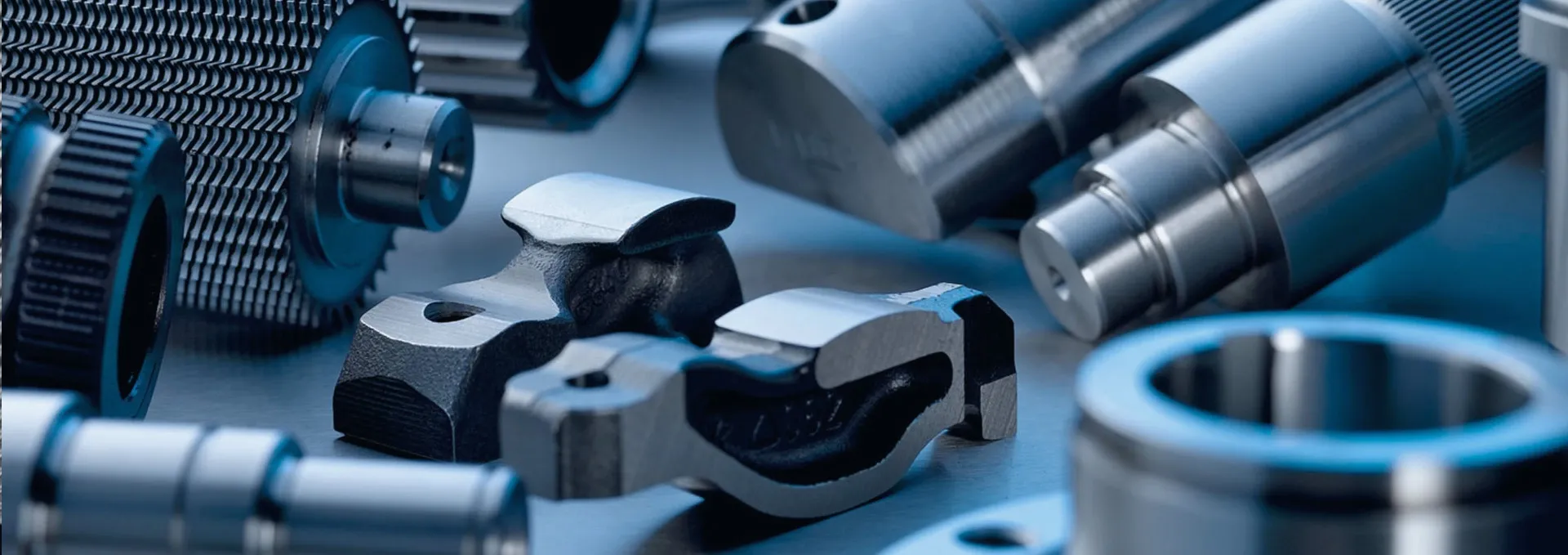
Precision Thread Rolling Tool | Flat Die & Hydraulic Options
Industry Trends in Thread Rolling Technology
The manufacturing landscape for fasteners and precision components is undergoing significant transformation, driven by demands for higher quality, increased efficiency, and reduced material waste. At the forefront of this evolution is the advancements in thread rolling tool technology. Modern industry trends indicate a strong shift towards automation, intelligent control systems, and enhanced material compatibility for thread rolling processes. Manufacturers are increasingly seeking solutions that offer greater repeatability, tighter tolerances, and improved surface finish, especially in high-volume production environments.
Emerging trends include the integration of IoT for real-time monitoring and predictive maintenance, allowing for optimized tool life and minimized downtime. There's also a growing focus on sustainable manufacturing practices, with a push for thread rolling tools that reduce energy consumption and scrap rates. The demand for specialized applications, such as those requiring ultra-high strength fasteners or components for aerospace and medical sectors, is driving innovation in tool geometries and material science. This pushes the boundaries for tools used in `flat die thread rolling machine` and `hydraulic thread rolling machine` setups, requiring them to handle exotic alloys with precision.
Furthermore, the global supply chain pressures are accelerating the adoption of more robust and versatile thread rolling solutions capable of handling diverse production requirements. This includes the ability to rapidly switch between different thread profiles and material types without extensive retooling, making the `small thread rolling machine` market segment particularly dynamic for smaller batch production or specialized applications.
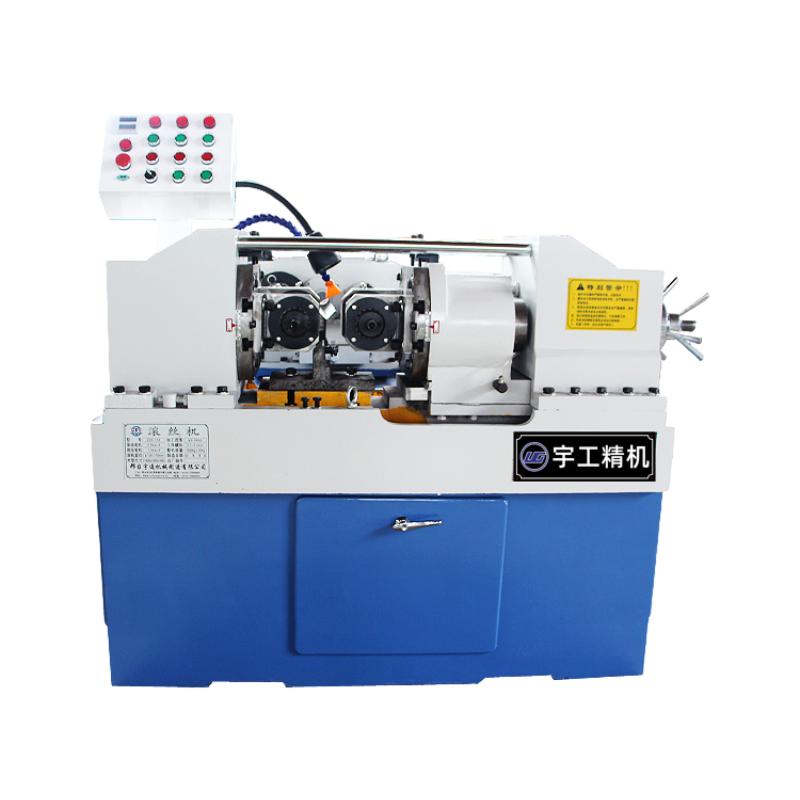
Manufacturing Process Flow of a Thread Rolling Tool
The production of a high-performance thread rolling tool is a sophisticated multi-stage process, meticulously designed to ensure durability, precision, and consistent performance under rigorous industrial conditions. Here’s a detailed breakdown:
1. Material Selection & Preparation
- Product Materials: High-alloy tool steels are predominantly used, such as HSS (High-Speed Steel), AISI D2/SKD11 for cold work, or powdered metallurgical steels (e.g., CPM Rex M4, ASP 2060) for enhanced wear resistance and toughness. These materials are selected for their superior hardness, impact strength, and ability to withstand high compressive stresses during thread formation.
- Forging: The chosen steel is typically forged to refine its grain structure, eliminate internal defects, and improve mechanical properties. This initial step is critical for the tool's structural integrity.
2. Machining & Geometry Formation
- Rough Machining: The forged blanks undergo rough machining (turning, milling) to remove excess material and achieve approximate dimensions.
- CNC Machining & Grinding: Precision CNC machining and grinding operations are then employed to create the exact thread profile, pitch, helix angle, and relief angles required. This stage is crucial for the tool’s accuracy and the quality of the rolled threads. State-of-the-art multi-axis CNC grinders with specialized abrasives are utilized to achieve micron-level precision.
3. Heat Treatment & Surface Enhancement
- Heat Treatment: A proprietary multi-stage heat treatment process, often involving hardening, tempering, and cryo-treatment, is applied. This optimizes the steel’s metallurgical structure, significantly increasing hardness (typically 60-64 HRC) and wear resistance while maintaining core toughness.
- Surface Coating (Optional but Recommended): For even greater durability and reduced friction, coatings such as TiN (Titanium Nitride), TiCN (Titanium Carbonitride), or AlTiN (Aluminum Titanium Nitride) are applied via PVD (Physical Vapor Deposition) or CVD (Chemical Vapor Deposition). These coatings extend tool life by minimizing wear and galling.
4. Finishing & Quality Control
- Final Grinding & Polishing: Minor finishing operations ensure optimal surface finish and sharp, precise thread crests.
- Testing Standards: Each thread rolling tool undergoes stringent quality control inspections. This includes dimensional verification using optical comparators, laser micrometers, and CMMs, adherence to international standards like ISO 965 (Metric threads), ANSI B1.1 (UN threads), and DIN standards. Hardness testing (Rockwell C) and micro-structural analysis are also performed.
- Service Life: With proper material selection, manufacturing, and application, a high-quality thread rolling tool can achieve a service life ranging from hundreds of thousands to several million cycles, depending on the workpiece material, machine type (e.g., `flat die thread rolling machine` vs. rotary), and operational parameters.
Target Industries & Advantages:
- Petrochemical: High-strength, corrosion-resistant fasteners for pipelines and infrastructure, where the cold-formed thread exhibits superior fatigue resistance.
- Metallurgy: Production of robust screws and rods for heavy machinery and structural applications, benefiting from the grain flow advantages of rolling.
- Water Supply & Drainage: Fasteners requiring enhanced corrosion resistance and leak-proof sealing, where the smooth, burnished surface finish of rolled threads is advantageous.
- Automotive & Aerospace: Critical components demanding high fatigue strength and precise dimensions for safety and performance, often processed on advanced `hydraulic thread rolling machine` setups.
- Energy Saving: Thread rolling is a cold forming process that reshapes material rather than removing it, significantly reducing material waste and requiring less energy compared to thread cutting, especially for high-volume production.
- Corrosion Resistance: The cold working process compacts the material's grain structure at the thread root and flank, creating a smoother, work-hardened surface that is less prone to stress corrosion cracking and offers improved resistance to environmental degradation.
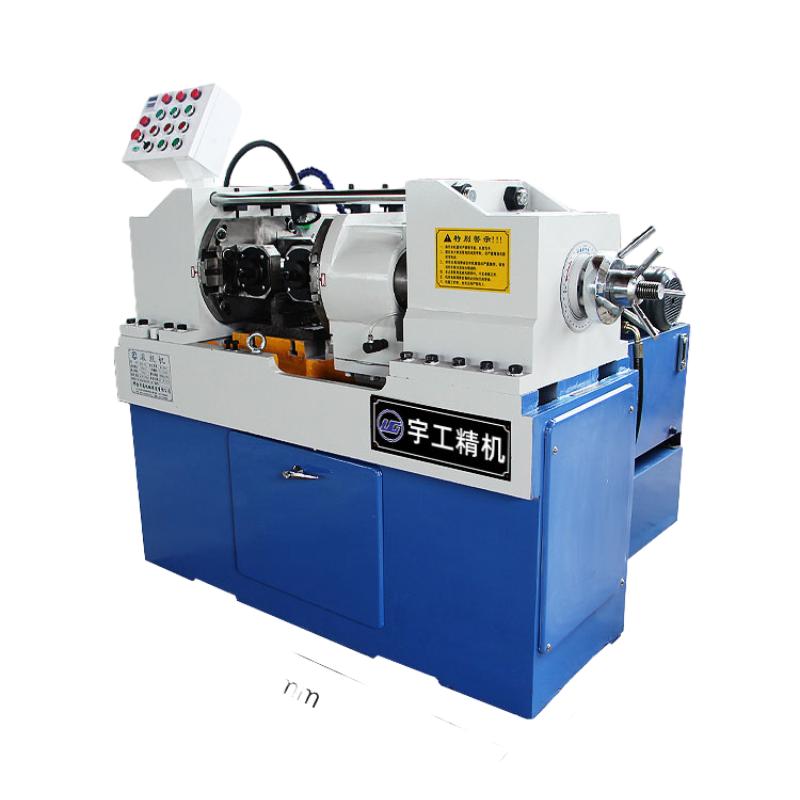
Technical Specifications of Automatic Thread Rolling Machines
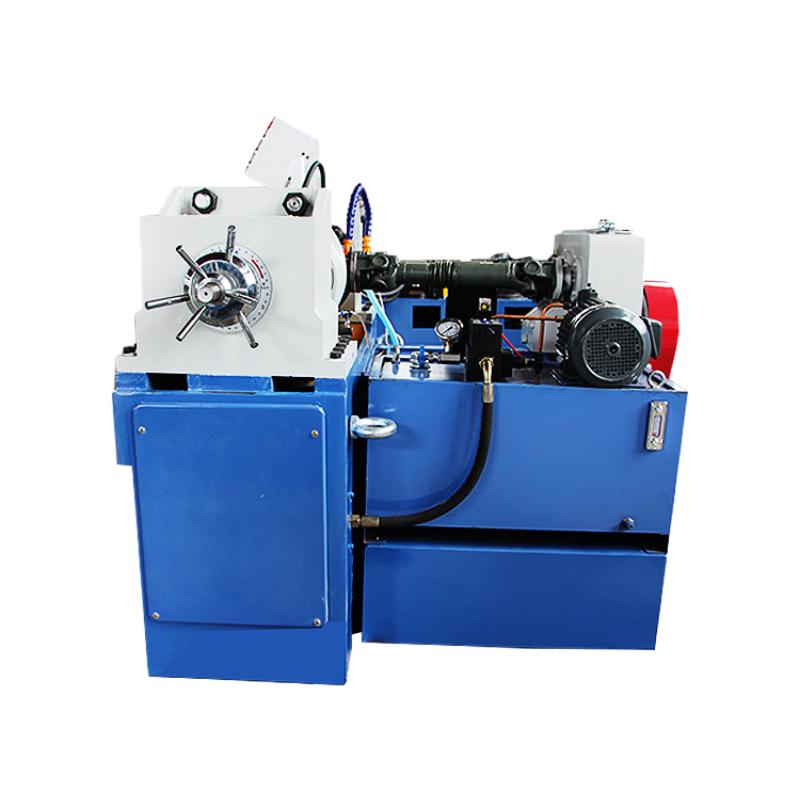
Understanding the technical parameters of the machinery is paramount for optimizing fastener production. Here, we detail key specifications for an Automatic Nut and Bolt Threading Rod thread rolling machine, which utilizes specialized thread rolling dies.
| Parameter | Specification | Unit / Notes |
|---|---|---|
| Thread Diameter Range | M5 - M30 (0.2 - 1.2) | mm (inch) |
| Thread Length Max. | 250 (9.8) / Unlimited for through feed | mm (inch) |
| Rolling Force | Up to 20 | Tons |
| Spindle Speed | 30 - 60 | RPM |
| Motor Power | 7.5 - 15 | kW |
| Machine Dimensions (L x W x H) | Approx. 2000 x 1200 x 1800 | mm |
| Weight | 2500 - 4500 | kg |
| Material Compatibility | Carbon Steel, Stainless Steel, Aluminum, Brass, Copper Alloys | |
| Automation Level | Automatic Feeding, Rolling, Ejection | PLC Control |
| Thread Types | Metric, UNC, UNF, BSW, ACME, Trapezoidal (with appropriate dies) |
These specifications are typical for robust industrial-grade machines capable of continuous operation. The choice of thread rolling tool (dies) directly impacts the machine's capabilities and the quality of the final product. Precision engineering and robust construction are key to maintaining these performance metrics over extended operational periods.
Application Scenarios & Technical Advantages
The versatility and inherent advantages of the thread rolling tool make it indispensable across a multitude of industrial applications. Its ability to produce threads that are stronger, more accurate, and smoother than cut threads offers significant benefits to various sectors.
Key Application Scenarios:
- Automotive Industry: Production of critical fasteners for engines, chassis, and safety systems, where high fatigue strength and precise fit are paramount. This includes engine bolts, wheel studs, and suspension components, often processed on `hydraulic thread rolling machine` setups for high precision and speed.
- Aerospace & Defense: Manufacturing of high-stress fasteners and threaded components for aircraft, rockets, and military equipment. The cold working process enhances the material's properties, reducing the risk of stress concentrations.
- Construction & Infrastructure: Production of rebar couplers, anchor bolts, and structural fasteners used in bridges, buildings, and large-scale civil engineering projects, demanding high tensile strength and durability.
- Machine Tool Manufacturing: Creating lead screws, ball screws, and other precision motion control components that require extremely accurate and smooth thread forms for optimal performance.
- Consumer Electronics: Tiny, precise screws for devices where accuracy and smooth operation are crucial. Even a `small thread rolling machine` can cater to these intricate requirements.
- Medical Devices: Specialized fasteners for surgical instruments and implants, where biocompatibility, high strength, and burr-free surfaces are essential.
Technical Advantages of Thread Rolling:
- Superior Strength: Unlike cutting, thread rolling plastically deforms the material, aligning the grain structure to follow the thread contour. This results in threads with significantly increased tensile strength, shear strength, and fatigue resistance (up to 30-50% higher compared to cut threads).
- Improved Surface Finish: The cold forming process burnishes the thread flanks, creating a smooth, hardened surface free of tears, burrs, or irregularities that can act as stress risers. This reduces friction and enhances corrosion resistance.
- Enhanced Dimensional Accuracy & Repeatability: The precision of the thread rolling tool (dies) ensures consistent thread profiles and pitches across large production runs, meeting tight tolerance requirements more reliably than cutting methods.
- Material Savings: As a chipless process, thread rolling eliminates material waste in the form of chips, leading to significant material cost savings, especially for expensive alloys.
- Faster Production Rates: Thread rolling machines, particularly automated `flat die thread rolling machine` and rotary types, can process fasteners at very high speeds, dramatically improving throughput and reducing per-unit costs.
- Versatility: A single set of thread rolling dies can produce threads on various materials, provided the material has sufficient ductility. The process is adaptable to different thread forms (metric, imperial, special profiles) by simply changing the thread rolling tool.
- Environmental Benefits: Reduced material waste and often lower energy consumption per piece compared to cutting methods contribute to a more sustainable manufacturing process.
Vendor Comparison and Customized Solutions
Choosing the right vendor for thread rolling tool and machinery requires a thorough evaluation of various factors, including technical capabilities, support, and customization options. While many providers offer standard machines, the true value often lies in their ability to provide solutions tailored to specific production challenges.
Vendor Comparison Factors:
| Feature/Factor | Vendor A (e.g., European Specialist) | Vendor B (e.g., Asian Leader) | Vendor C (e.g., North American Innovator) |
|---|---|---|---|
| Machine Type Focus | High-precision Rotary & Planar Dies | High-volume `Flat Die Thread Rolling Machine` | Advanced `Hydraulic Thread Rolling Machine` |
| Thread Diameter Range | M1 - M60 | M3 - M36 | M8 - M100+ |
| Automation Level | High, Robotic Integration | Standard Auto-feed, PLC | Advanced CNC, Industry 4.0 ready |
| Customization Options | Moderate to High (tooling, feeding) | Limited to specific dies/fixtures | Extensive (machine, tooling, software) |
| Lead Time (Standard Models) | 12-20 weeks | 6-10 weeks | 10-16 weeks |
| After-Sales Support | Global network, premium service | Regional support, online assistance | Dedicated specialists, remote diagnostics |
| Certifications | ISO 9001, CE, specific industry certs | ISO 9001, CE | AS9100, ISO 9001, CE |
This comparison highlights the diverse offerings in the market. Each vendor caters to different segments, from high-volume general fastening to specialized, high-precision applications requiring specific thread rolling tool capabilities. The decision often boils down to balancing initial investment with long-term operational costs, precision requirements, and post-purchase support.
Customized Solutions for Unique Requirements:
Many industrial applications demand more than off-the-shelf equipment. This is where customized solutions for the thread rolling tool and its associated machinery become invaluable. Customization can involve:
- Special Die Design: Developing unique die geometries for non-standard thread forms, exotic materials, or specific component geometries (e.g., hollow parts, complex shoulders).
- Integrated Automation: Designing automated feeding systems for unusually shaped blanks, integrating with existing production lines, or incorporating robotic loading/unloading for lights-out manufacturing.
- Material Handling Systems: Custom chutes, conveyors, and sorting mechanisms for efficient flow of finished parts, especially critical for `small thread rolling machine` setups handling delicate components.
- Process Optimization: Tailoring machine parameters (speed, pressure, dwell time) and coolant systems for challenging materials or demanding surface finishes.
- Turnkey Solutions: Providing a complete production line, from blank preparation to final inspection, ensuring seamless integration and optimized workflow.
Companies that excel in custom solutions often have extensive R&D capabilities, experienced engineering teams, and a track record of successful project implementations, demonstrating genuine expertise and trustworthiness in the field.
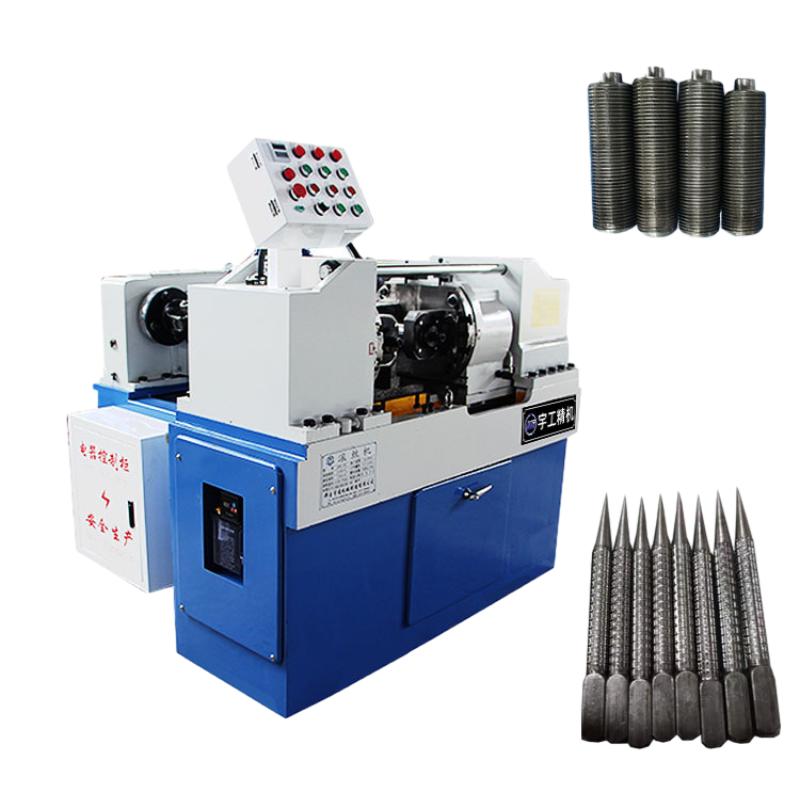
Application Case Studies: Real-World Success with Thread Rolling
Practical application cases underscore the tangible benefits of advanced thread rolling tool technology and machinery in demanding industrial environments.
Case Study 1: High-Strength Fasteners for Automotive Powertrains
A major automotive Tier 1 supplier faced challenges with fatigue failure in engine mounting bolts produced via conventional thread cutting. The bolts, made from high-tensile steel, were critical components. By transitioning to a `hydraulic thread rolling machine` equipped with specialized thread rolling tool dies, they achieved a significant improvement. Fatigue life tests showed a 40% increase in the mean cycles to failure. This was attributed to the superior grain flow and compressive residual stresses induced by the rolling process. Production rates also increased by 25%, and material scrap was virtually eliminated, leading to substantial cost savings and enhanced product reliability.
Case Study 2: Precision Lead Screws for Medical Devices
A manufacturer of precision medical diagnostic equipment required lead screws with extremely tight pitch accuracy and a flawless surface finish for sensitive movement mechanisms. Traditional machining struggled to consistently meet the ISO 286 tolerance grades specified for these components and often left microscopic burrs. By implementing a sophisticated planetary thread rolling tool system with ultra-hard coated dies, they achieved a pitch error reduction of 0.005mm over 300mm of length, well within specification. The burnished surface also minimized friction and wear, extending the life of the lead screws and reducing maintenance requirements for the end-user. This change drastically reduced rejection rates and assembly time, demonstrating the power of precision thread rolling.
Case Study 3: Large Diameter Anchor Bolts for Wind Turbine Foundations
A heavy industrial fastener producer struggled with producing large diameter (M48 to M72) anchor bolts for offshore wind turbine foundations using cut threads. The sheer amount of material removal was time-consuming, and the cut threads were susceptible to environmental stress corrosion cracking in marine environments. Adopting robust `flat die thread rolling machine` technology with custom-designed large-format thread rolling tool dies solved these issues. The process time per bolt was reduced by 35%, and the cold-formed threads exhibited superior resistance to fatigue and corrosion, as independently verified through salt spray and cyclic loading tests, meeting stringent DNV GL standards for offshore applications. This transition enabled the company to bid on larger, more critical projects with increased confidence in product quality.
Trustworthiness and Support: FAQ, Lead Time, Warranty, and After-Sales
Building long-term partnerships in the B2B sector hinges on transparency, reliable service, and unwavering support. Here’s what clients can expect regarding the procurement and support of our thread rolling tool solutions and machinery.
Frequently Asked Questions (FAQ):
-
Q: What materials can be processed with your thread rolling tool dies?
A: Our tools are compatible with a wide range of ductile materials, including various grades of carbon steel, stainless steel (e.g., 300 and 400 series), aluminum, brass, copper, and even some titanium alloys. Material hardness and elongation are key factors we assess for optimal die selection. -
Q: How do your machines handle different thread pitches and diameters?
A: Our thread rolling machines are designed for versatility. Changing the thread rolling tool (dies) and adjusting machine settings allows for processing various thread pitches and diameters within the specified machine range. For automated systems, changeover times are minimized through quick-release mechanisms and programmable controls. -
Q: What is the expected lifespan of your thread rolling tool dies?
A: The lifespan of a thread rolling tool varies significantly based on material, hardness of the workpiece, machine parameters, and proper maintenance. However, with our high-grade materials and optional surface coatings, clients typically report tool lives ranging from hundreds of thousands to millions of parts. We provide guidance on optimizing tool life for specific applications. -
Q: Can your `small thread rolling machine` achieve the same precision as larger industrial models?
A: While small machines might have lower throughput or handle smaller diameters, their fundamental precision capabilities for the threads they produce can be comparable. The precision is primarily determined by the quality of the thread rolling tool and the rigidity of the machine's construction, which is maintained across our product lines.
Lead Time and Fulfillment:
For standard Automatic Nut and Bolt Threading Rod Thread Rolling Machines, typical lead times range from 8 to 12 weeks from order confirmation, depending on current production schedules and customization requirements. For highly customized solutions or specialized thread rolling tool dies, lead times will be provided on a project-specific basis after detailed engineering review, usually within 16-24 weeks. We maintain robust supply chain management and transparent communication throughout the fulfillment process.
Warranty Commitments:
We offer a standard 12-month warranty on all new thread rolling machines, covering defects in materials and workmanship from the date of installation or commissioning. Extended warranty options are available upon request. Our thread rolling tool dies are warranted against manufacturing defects for a period of 3 months, ensuring they meet rigorous quality standards upon delivery. Full warranty terms and conditions are provided with every quotation.
Customer Support and After-Sales Service:
Our commitment extends beyond delivery. We provide comprehensive after-sales support to ensure continuous optimal performance of your investment:
- Installation & Commissioning: On-site assistance by certified technicians for seamless setup and initial operation.
- Operator Training: Thorough training programs for your personnel to maximize efficiency and ensure safe operation of the `flat die thread rolling machine` or `hydraulic thread rolling machine`.
- Technical Support: Dedicated technical hotlines and email support for troubleshooting and expert advice. Our team is equipped to handle queries regarding thread rolling tool application, machine optimization, and process issues.
- Spare Parts Availability: A comprehensive inventory of genuine spare parts ensures minimal downtime.
- Preventive Maintenance Programs: Tailored service contracts to schedule routine inspections and maintenance, extending machine life and preventing unscheduled outages.
We are committed to being a reliable partner, providing not just equipment, but complete solutions and support throughout the lifecycle of your production needs.
References
- Kalpakjian, S., & Schmid, S. R. (2014). Manufacturing Engineering and Technology (7th ed.). Pearson.
- ASM Handbook, Vol. 14B: Metalworking: Sheet Forming. (2015). ASM International.
- ISO 965: Metric screw threads – Tolerances. International Organization for Standardization.
- National Institute of Standards and Technology (NIST) Publications on Manufacturing Processes.
- Society of Manufacturing Engineers (SME) Technical Papers and Journals.