

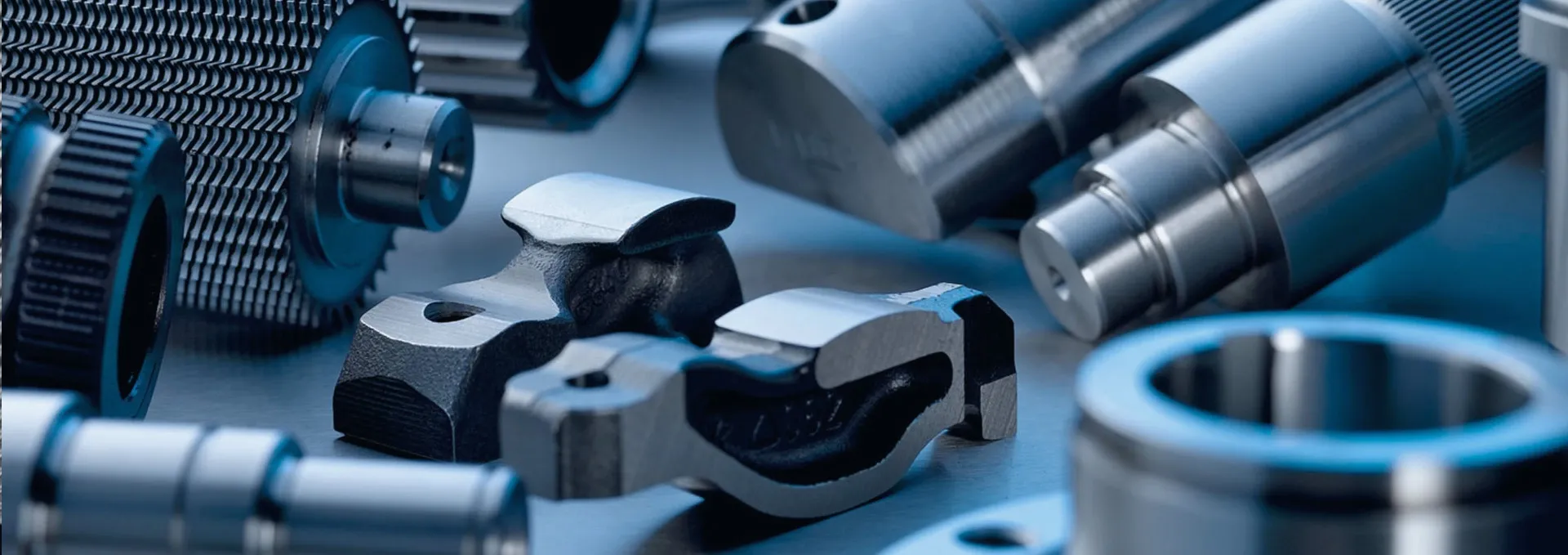
Reed Thread Roller: Fast, Precise & Durable—Need One?
Inside the Modern Reed Thread Roller Market: Notes From the Shop Floor
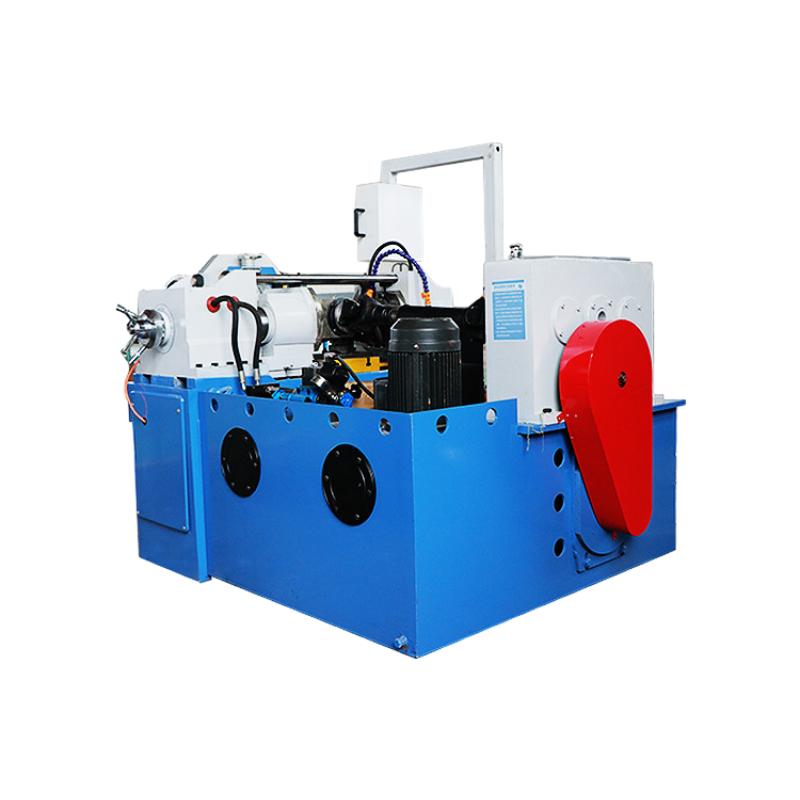
If you build with steel for a living, you already know the quiet workhorse in the corner: the reed thread roller. In fact, I first saw one humming away in XingWan Industrial Zone, Xingtai City, Hebei, and, to be honest, I stayed longer than I planned—watching cold-rolled threads appear with that oddly satisfying precision.
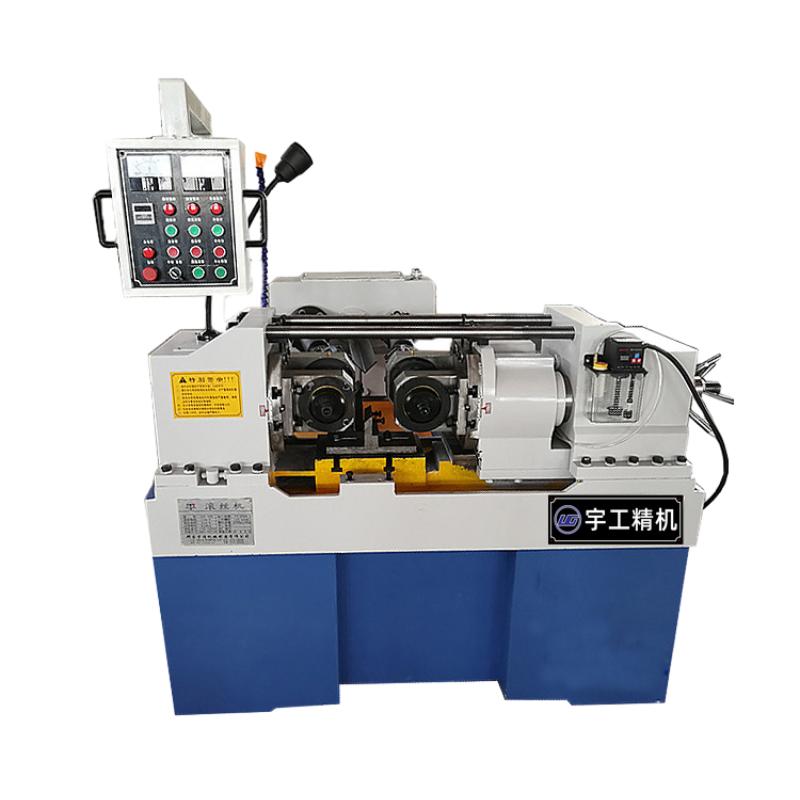
Why this machine matters now
Two trends are converging: higher-strength bar requirements on job sites and relentless pressure to shorten schedules. Cold rolling, unlike cutting, compacts the grain and typically boosts fatigue strength—many customers say their rejection rate quietly drops after switching. And yes, sustainability is a real thing here: rolling displaces material; it doesn’t turn it into chips.
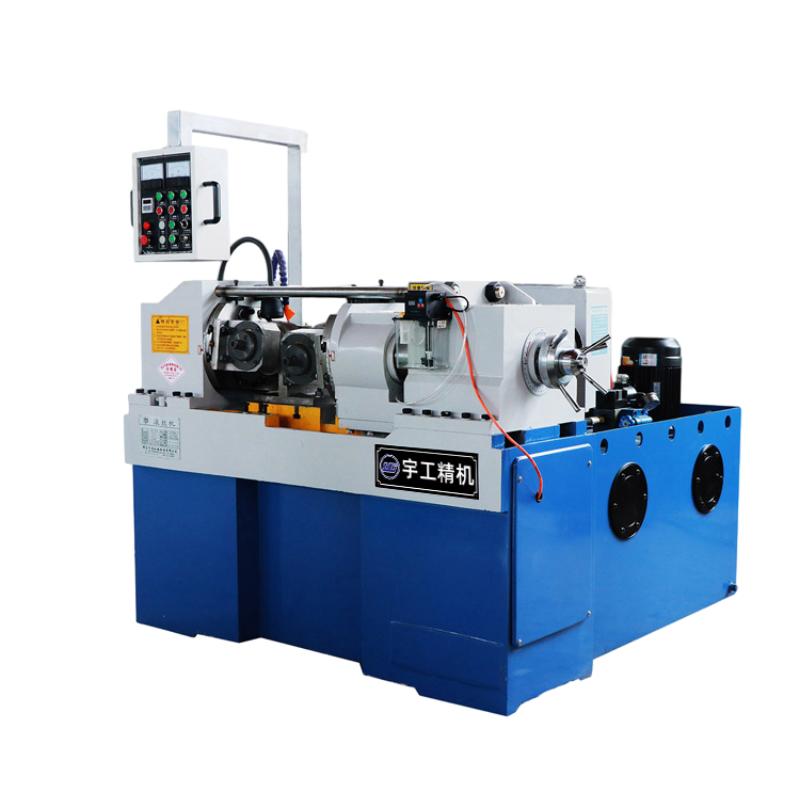
Quick spec snapshot (real-world use may vary)
| Model | Automatic high speed bolt rebar thread rolling machine |
|---|---|
| Max workable diameter | Up to 52 mm |
| Thread length | Not limited (≈ depends on feed/stock length) |
| Active force | 11 kW main drive |
| Hydraulic / Cooling power | 4 kW / 90 W |
| Footprint (L×W×H) | 1700 × 1850 × 1550 mm |
| Typical die life | ≈ 80,000–120,000 cycles (material & lube dependent) |
| Certifications | ISO 9001 factory QA; CE (on request) |
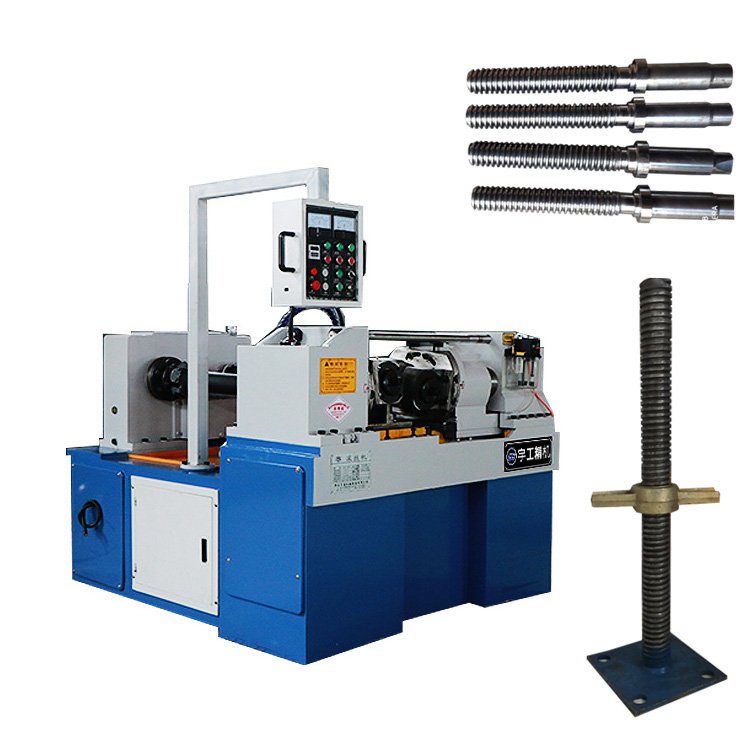
How it’s used: process flow I’ve seen work
- Material: carbon steel rebars (ASTM A615/BS 4449) or alloy bolts.
- Prep: cut-to-length, end chamfer ≈ 1–1.5 mm.
- Set-up: select rolling dies (HSS or carbide), align pitch/taper, set hydraulic pressure.
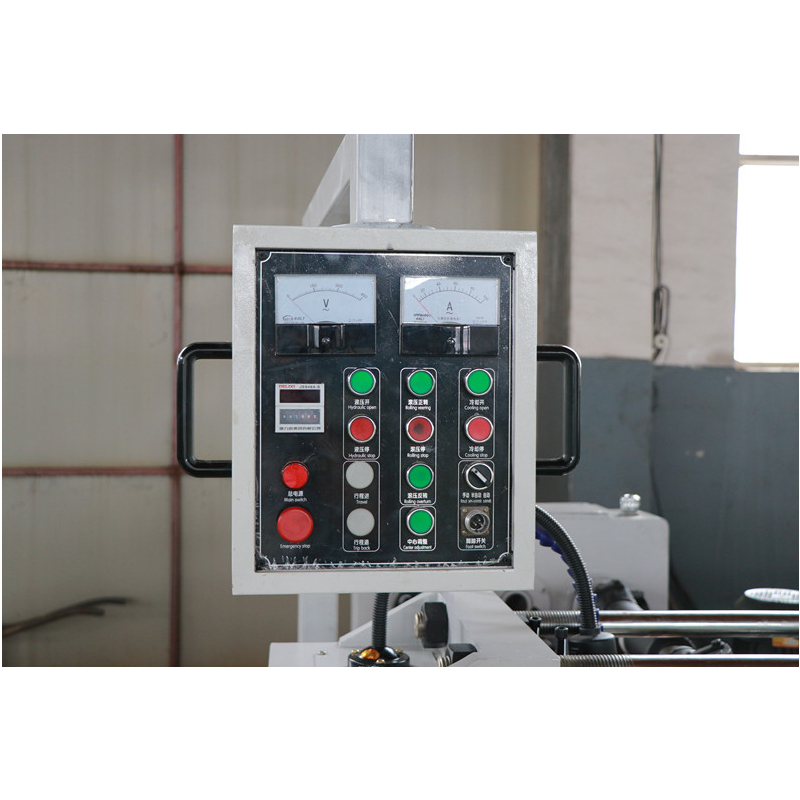
- Rolling: cold displacement forms threads; lubricant recirculates via 90 W cooling pump.
- Inspection: GO/NO‑GO per ISO 1502; pitch diameter check to ISO 965‑1 limits.
- Finishing: deburr, clean, optional anti-corrosion coat.
- Testing: sampling to ISO 898‑1 (bolts) and splice tensile to ACI 318/EN 1992 guidance.
Service life? The machine frame should see 8–10 years in normal duty with preventive maintenance; hydraulics seals are usually annual swaps, give or take. Many shops, surprisingly, report stable torque values after 6 months—when the operators stop “overfeeding” the first pass.
Where it fits: industries and scenarios
- Construction: rebar couplers and anchor rods for high‑rise cores.
- Energy: wind-foundation bolts, turbine base cages.
- Transport: bridge retrofits where field threading is risky.
Real case, Hebei: a precast yard rolled M30 threads on HRB400 bars. Pull tests hit ≈ 0.95–1.00× parent bar yield; failure consistently occurred in the bar, not the thread. Not laboratory-perfect, but good news on site.
Vendor comparison (indicative)
| Vendor | Max Ø | Drive | Cooling | Lead time | Notes |
|---|---|---|---|---|---|
| MOTE Tools reed thread roller | 52 mm | 11 kW + 4 kW hydraulic | 90 W recirculating | ≈ 20–35 days | ISO 9001 plant; CE on request |
| Generic Vendor A | 50 mm | 10 kW | Basic splash | ≈ 30–45 days | Lower entry price |
| Regional Vendor B | 55 mm | 12 kW | Chiller (optional) | ≈ 45–60 days | Heavier frame; higher CapEx |
Customization and what buyers usually ask for
Common options include special-pitch dies (UNC/UNF/metric), auto infeed, enclosure upgrades for noise, and IoT counters for cycle tracking. One foreman told me the cycle counter alone paid for itself—maintenance went from reactive to planned.
Bottom line: a reed thread roller shines when you want consistent, strong threads with minimal waste, especially on 20–52 mm bars and bolts. And, I guess, when you’re tired of sweeping chips.
Authoritative references
- ISO 965‑1: General purpose metric screw threads — Tolerances — Principles and basic data. https://www.iso.org
- ISO 1502: ISO general purpose metric screw threads — Gauges and gauging. https://www.iso.org
- ISO 898‑1: Mechanical properties of fasteners made of carbon steel and alloy steel. https://www.iso.org
- ASTM A615/A615M: Standard Specification for Deformed and Plain Carbon-Steel Bars for Concrete Reinforcement. https://www.astm.org
- CE Machinery Directive 2006/42/EC (for applicable safety compliance). https://eur-lex.europa.eu