

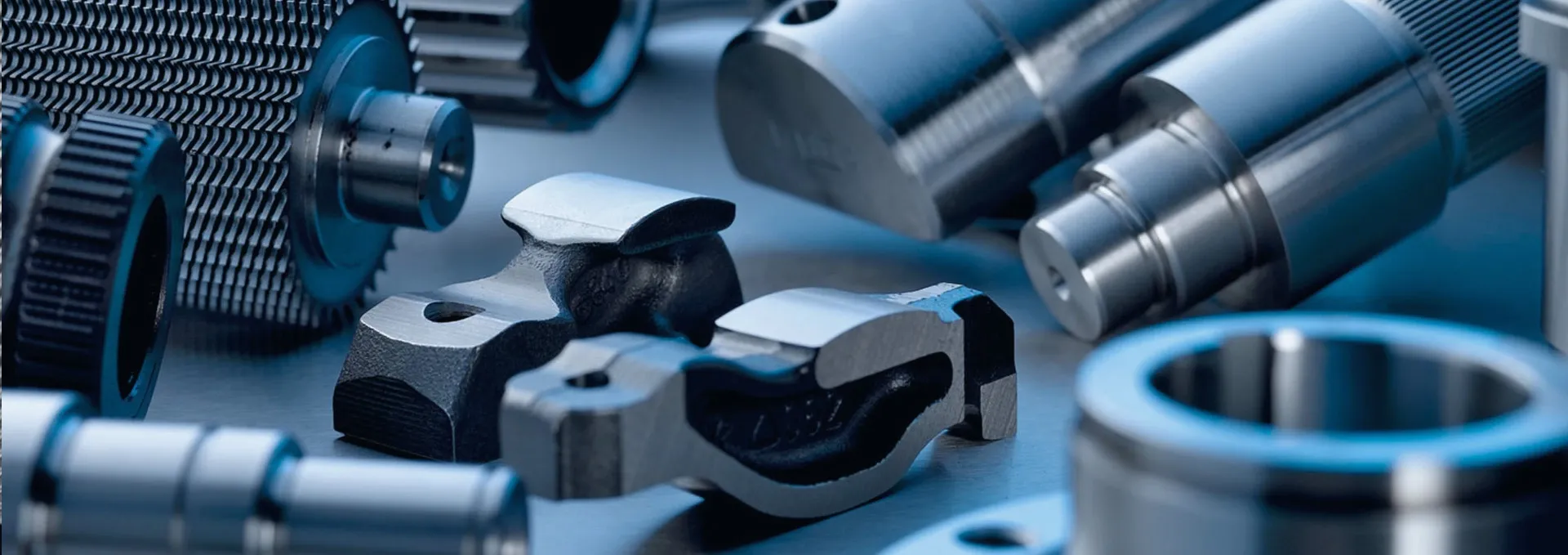
Reed Thread Roller: High-Precision, Heavy-Duty—Why Us?
Rebar-grade precision, shop-floor speed: a reporter’s take on the reed thread roller
I’ve spent enough time around fabrication lines to know when a machine is built for the realities of rebar yards and bolt shops, not just brochure claims. This one comes out of XingWan Industrial Zone, Xingtai City, Hebei, and—if you ask foremen I’ve talked to—it’s engineered for daily grind with just enough digital finesse. The market is nudging toward higher throughput and traceability, yes, but in rebar there’s always that gritty bottom line: does it roll fast, hold tolerance, and keep running?
Why this matters now
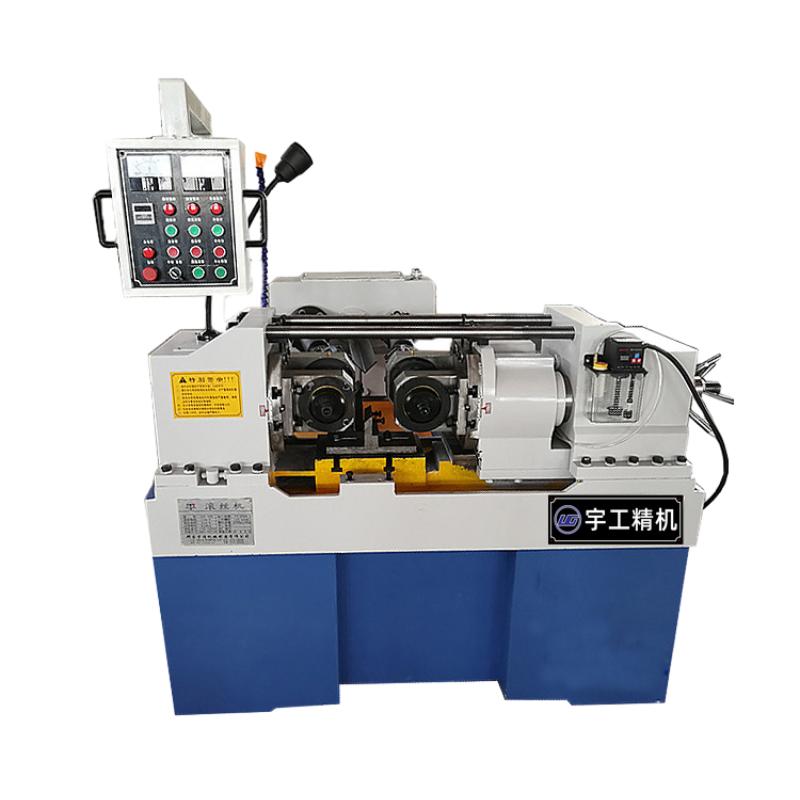
Two trends are colliding: tighter standards for mechanical splices in infrastructure, and a persistent shortage of skilled hands on the floor. So machines that roll rebar threads repeatably—without babysitting—are winning. Many customers say they prefer servo-stable feeds and chillier coolant loops, because heat is the enemy of thread geometry. This unit’s footprint is compact enough for busy shops, yet it handles sizeable bar diameters without drama.
Headline specs (quick glance)
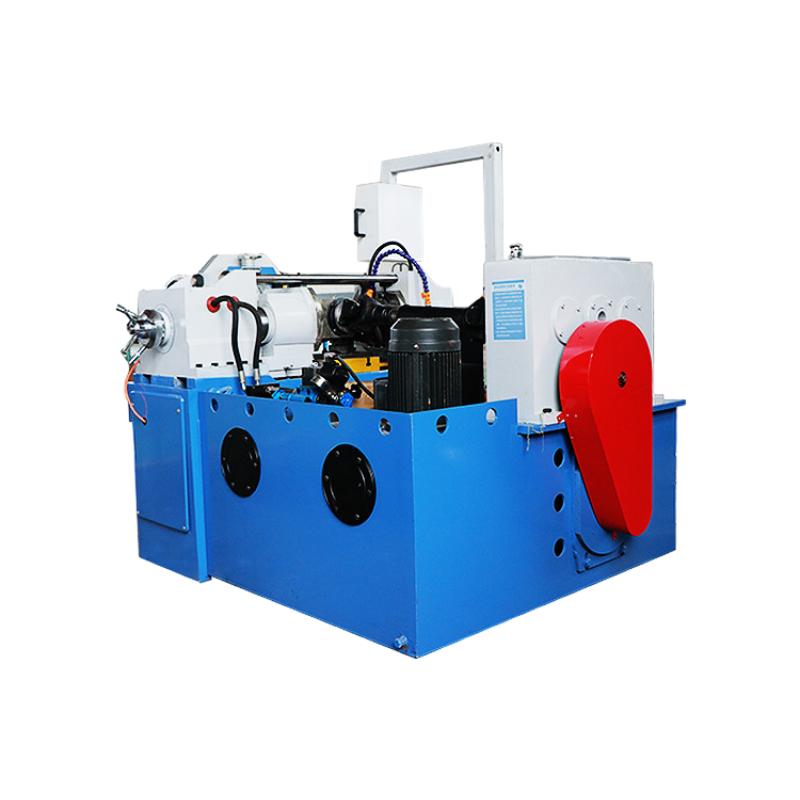
| Product name | Automatic high speed bolt rebar thread rolling machine (reed thread roller) |
| Max rolling diameter | 52 mm |
| Thread length | Not limited (workholding dependent) |
| Main drive (active force) | 11 kW |
| Hydraulic power | 4 kW |
| Cooling | 90 W circulation (real-world flow may vary) |
| Dimensions (L×W×H) | 1700 × 1850 × 1550 mm |
| Origin | XingWan Industrial Zone, Xingtai, Hebei, China |
Process flow and quality envelope
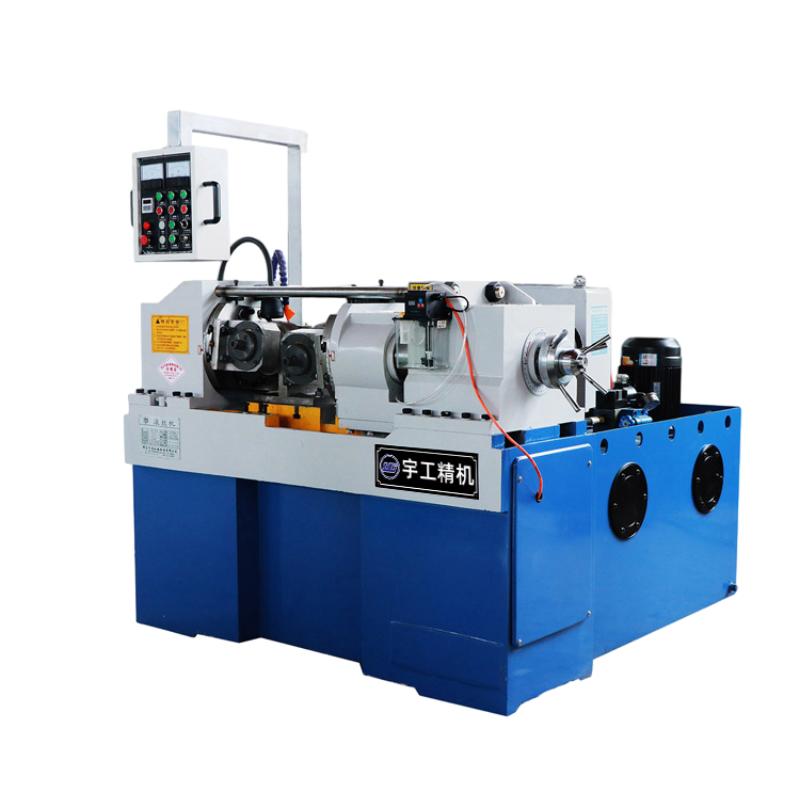
Materials: typically HRB400/HRB500 rebar and medium-carbon steels for bolts; die sets in high-wear tool steel (often Cr12MoV/SKD11 grade). Method: cold rolling with lubricoolant, staged passes where pitch/form demand it. Realistically, you dial feed and pressure to keep flank angle crisp while avoiding over-hardening.
Testing and acceptance: threads checked against ISO 965-1 tolerance classes; surface roughness often ≤ Ra 3.2 µm for splices; tensile tests per ASTM A370; and for rebar couplers, many buyers benchmark to ISO 15835 (slip, ultimate strength, and bar break ratios). On machines I audited, concentricity within ≈0.03–0.05 mm is common when tooling is fresh.
Service life: dies last anywhere from 20,000–60,000 ends, depending on bar hardness, lube quality, and how gentle operators are (yes, that matters). Routine: daily swarf cleanout, weekly hydraulic filter check, and coolant concentration around 6–8% emulsion, in my experience.
Where it’s used
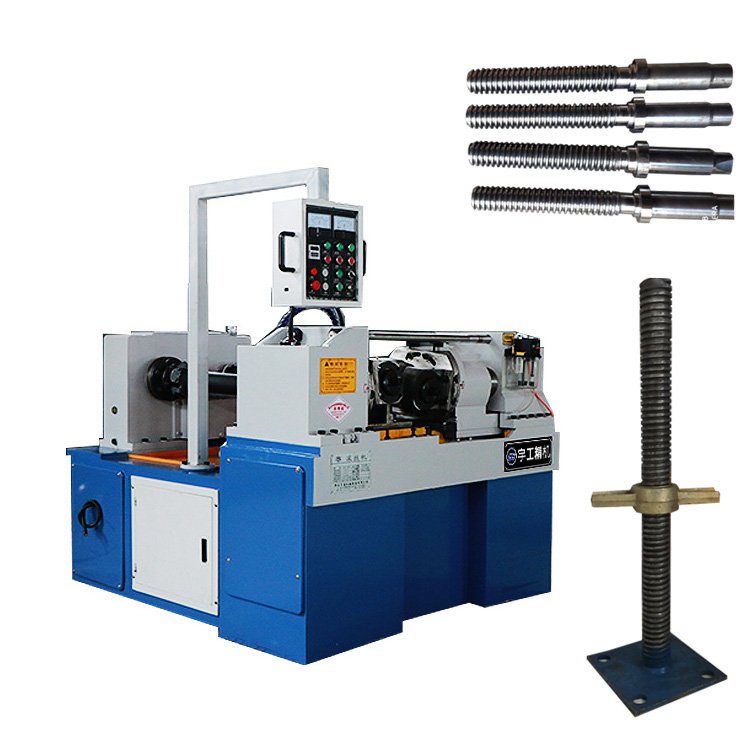
- Infrastructure splicing: bridges, metros, viaducts needing mechanical couplers.
- Precast plants chasing cycle-time gains with consistent thread form.
- Bolt and anchor manufacturers on M-thread and parallel rebar threads.
Customer feedback: “quieter than our cam-style unit,” one supervisor told me—noise measurements I’ve seen hover around ≤78 dB(A) at 1 m, with good isolation. Another noted fewer thread reworks after switching coolants and dialing hydraulic pressure more conservatively. To be honest, setup diligence pays off more than any spec sheet bragging.
Vendor landscape (quick compare)
| Vendor | Strength | Lead time ≈ | Certs | After-sales |
|---|---|---|---|---|
| MOTE Tools (Hebei) | Rebar-focused design, rugged frames | 3–6 weeks | ISO 9001, CE (Machinery Directive) | Remote commissioning, die support |
| Regional OEM | Local spares availability | 2–8 weeks | Varies | Onsite training |
| Marketplace Import | Lower upfront cost | 4–10 weeks | Often unspecified | Limited |
Customization and real-world wins
You can spec die pitch/lead, rib-peeling attachments for rebar, safety interlocks, and enhanced coolant filtration. One precast line in Southeast Asia reported a 27% throughput lift and a 40% drop in scrap within two months—after a week of operator retraining. Results vary, of course, but it tracks with what I’ve seen when maintenance is disciplined.
Compliance, data, and peace of mind
Typical conformity includes ISO 9001 factory QA and CE per the Machinery Directive. Buyers often request sample test sets: thread gauge pass/fail logs, tensile break location (bar vs. splice), and hardness checks on rolled zones. Expect documented procedures aligned with ISO 15835 for rebar splices and ISO 230-type machine verification where applicable.
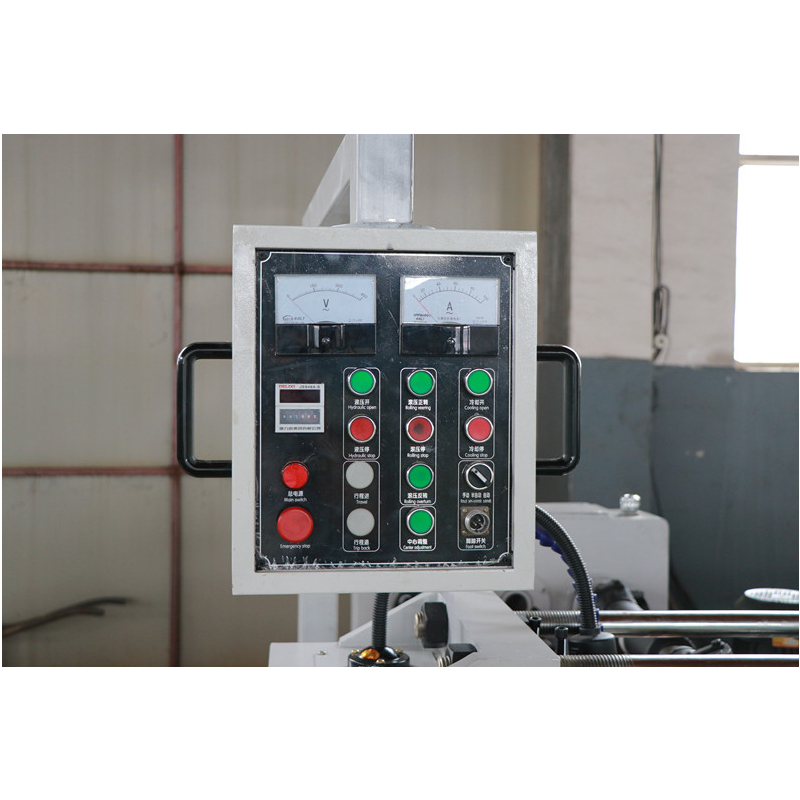
Bottom line? If you need a tough, high-throughput reed thread roller that respects standards and doesn’t flinch at 52 mm rebar, this platform deserves a hard look. Keep the dies sharp, the coolant clean, and your QA tight—the machine will do the rest.
Authoritative citations
- ISO 15835:2018 — Steel for the reinforcement of concrete — Reinforcement couplers.
- ISO 965-1:2016 — ISO general purpose metric screw threads — Tolerances.
- ASTM A370 — Standard Test Methods and Definitions for Mechanical Testing of Steel Products.
- Directive 2006/42/EC — Machinery Directive (CE compliance framework).