

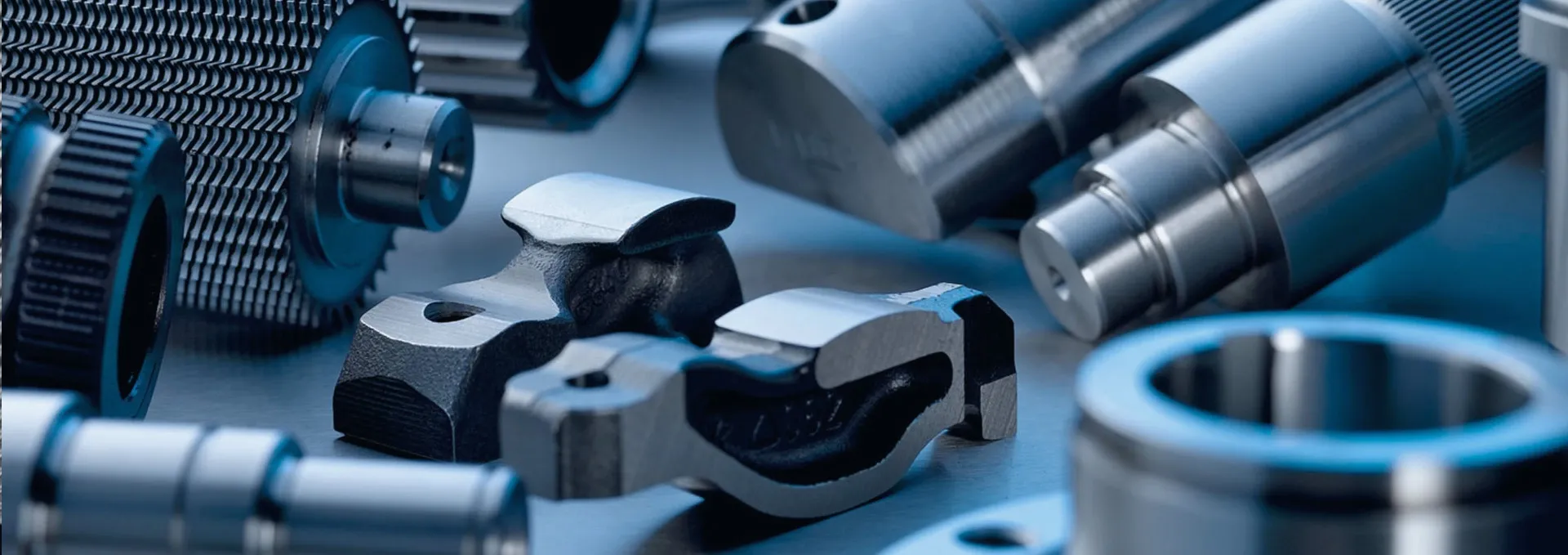
Thread Rolling Tool | High-Precision, Durable, Custom Fit
Why a Thread Rolling Tool still wins in 2025
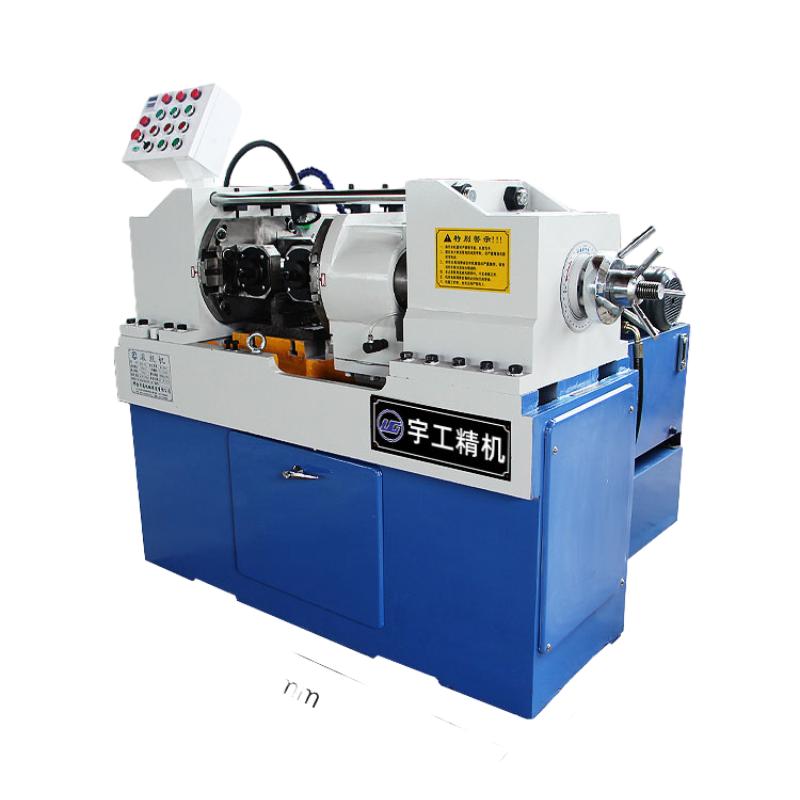
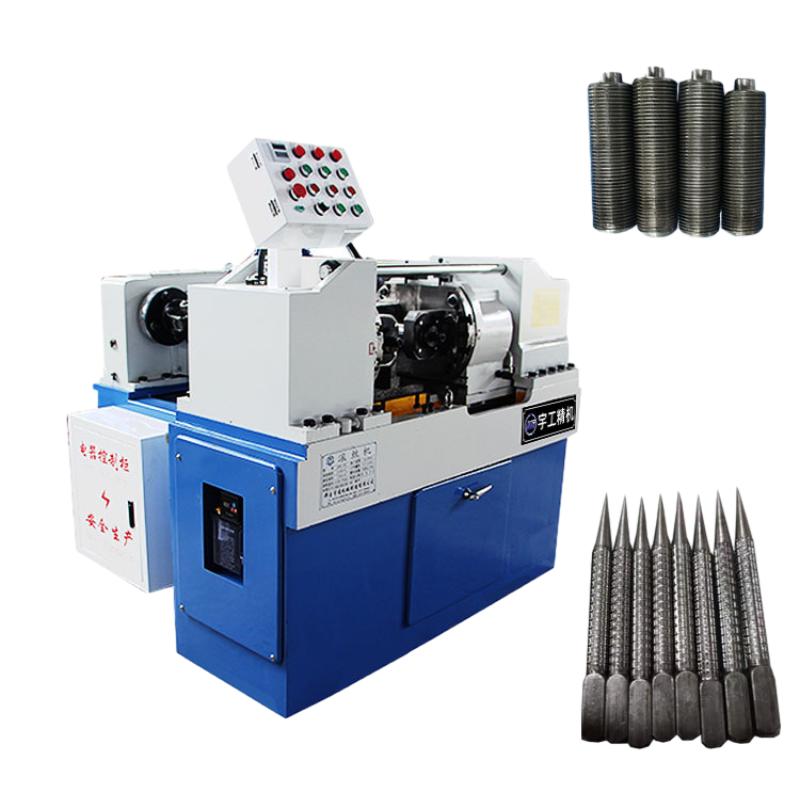
If you spend enough time on shop floors (guilty), you learn that shaping threads by cold forming will often beat cutting. Less burr, stronger roots, better surface finish. The Z28-150 from MOTE Tools—built in XingWan Industrial Zone, Xingtai City, Hebei, China—leans into that, and does it with a surprisingly compact footprint.

Quick take: trend lines and real-world use
Across automotive, energy hardware, and civil anchors, we’re seeing two pressures: tighter lead times and stronger fasteners (clean energy, wind towers, EV frames—no free lunches). Cold-formed threads answer both. Many customers say the payback shows up in scrap reduction and fatigue strength. In fact, some swap two lathes for one Thread Rolling Tool and never look back.
Core specs (Z28-150)
| Thread diameter range | Ø6–42 mm |
| Thread pitch | 1–5 mm (metric); real-world use may vary |
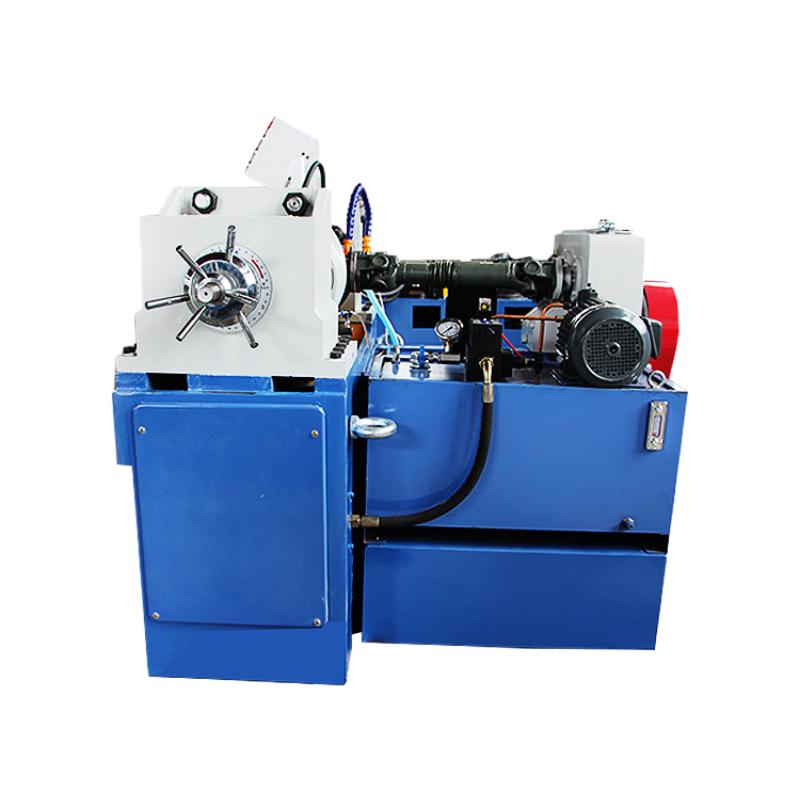
| Main motor | 5.5 kW |
| Hydraulic motor | 1.5 kW |
| Cooling power | ≈90 W |
| Overall size (L×W×H) | 1600 × 1550 × 1445 mm |
| Machine weight | ≈1,800 kg |
How production actually flows
- Materials: medium-carbon steel (e.g., 1045), alloy steels (40Cr/4140), stainless (304/316) for studs/bolts; rolling dies typically Cr12MoV or GCr15, vacuum heat-treated to HRC 58–62.
- Method: bar cut → end chamfer → set die center distance → cold rolling (2-die system) → inline coolant → de-oil → gauge check.
- Testing standards: threads evaluated per ISO 965/DIN 13; pitch diameter via GO/NO-GO; typical pitch accuracy around ±0.02 mm; surface finish ≈Ra 1.6–3.2 µm after rolling.
- Service life: dies often 80,000–150,000 pieces (depends on steel, lube, operator touch—yes, that still matters).
- Industries: automotive fasteners, guardrail bolts, wind anchor rods, construction rebar couplers, rail hardware.
Where a Thread Rolling Tool beats cutting
- Strength: fiber flow stays intact; higher fatigue life.
- Speed: once set, cycle times are quick; great for M12–M36 studs.
- Finish: low burr, good root radius, plating-friendly.
- Cost: less chip waste; dies last longer than many expect.
Vendor landscape (my blunt take)
| Vendor | Indicative Price | Lead Time | Support | Notes |
|---|---|---|---|---|
| MOTE Tools (Z28-150) | $$ (cost-effective) | 4–8 weeks (≈) | Remote + spares | Solid value; proven on M6–M36 studs |
| Local OEM (general) | $$$ | 6–12 weeks | On-site | Easy communication; higher price |
| European brand | $$$$ | 10–20 weeks | Premium | Top fit/finish; long queue |
Customization and compliance
Options: special dies for trapezoidal/ACME-like profiles, knurling patterns, auto-feeders, oil mist or flood coolant upgrades, guarding for CE, and PLC tweaks. Certifications typically include ISO 9001 at factory level; CE versions available. Coating tests (if parts are plated) often reference ASTM B117 salt spray. Thread compliance targets ISO 965 or DIN 13; mechanical properties of fasteners per ISO 898-1 or ASTM F568M.
Mini case notes (from the field)
- Guardrail plant: switched to a Thread Rolling Tool for M20 bolts; scrap fell by ~30%, operator said noise was “lower than expected.”
- Wind anchor rods: using 40Cr with phosphating + oil; die life around 120k parts; pitch checks held green per ISO 965 GO gauges.
- Automotive stud line: added auto-lube; downtime dropped, and changeover (M10 to M12) averaged 18 minutes after training.
Practical setup tips
- Keep dies clean; verify center distance with feeler and trial piece.
- Use consistent chamfer; it matters more than you think.
- Log coolant concentration; it quietly drives die life and finish.
Origin: XingWan Industrial Zone, Xingtai City, Hebei, China. For purchasing or tech sheets, ask for gauge protocols, electrical schematics, and spare die lists—saves time later.
References
- ISO 965-1/2: Metric screw threads—Tolerances. https://www.iso.org
- DIN 13: Metric ISO thread. https://www.din.de
- ISO 898-1: Mechanical properties of fasteners. https://www.iso.org
- ASTM B117: Salt Spray (Fog) Testing. https://www.astm.org
- ASM Handbook, Vol. 14B: Metalworking—Sheet Forming (cold forming fundamentals). https://www.asminternational.org
- Machinery’s Handbook, thread rolling practice. https://www.industrialpress.com