

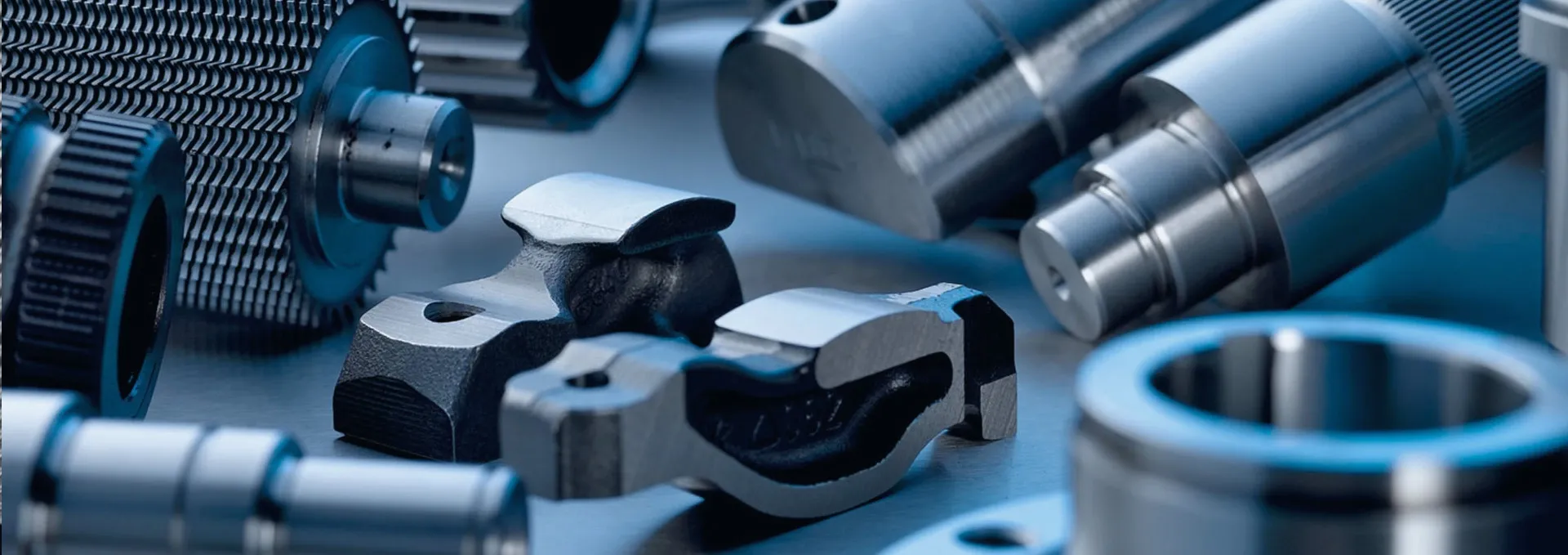
Thread Rolling Tool | Precision, Durable, High-Speed
Inside the Factory: Why an [Thread Rolling Tool] Still Beats Cutting in 2025
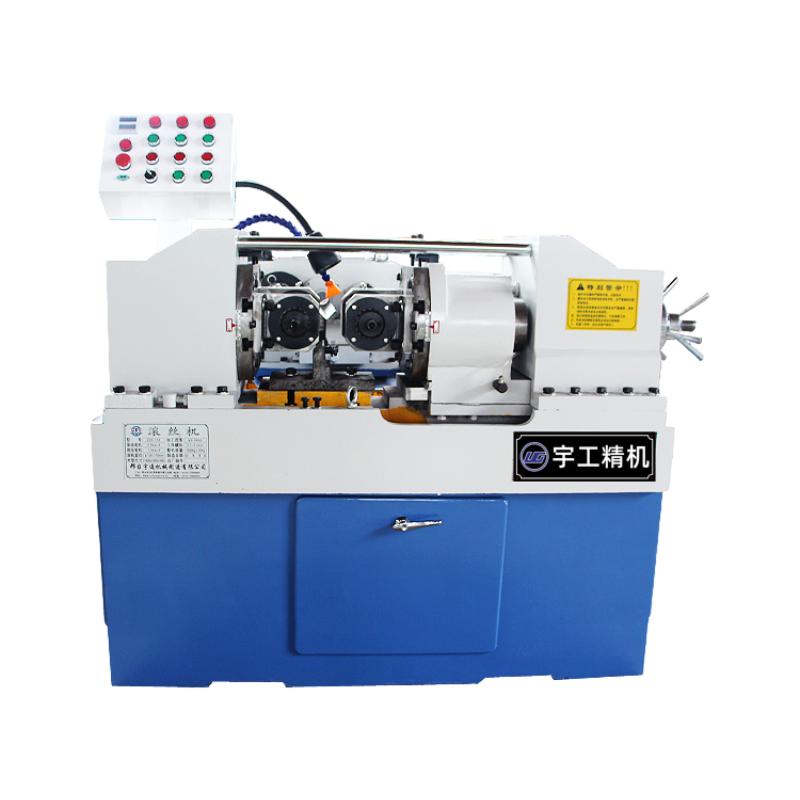
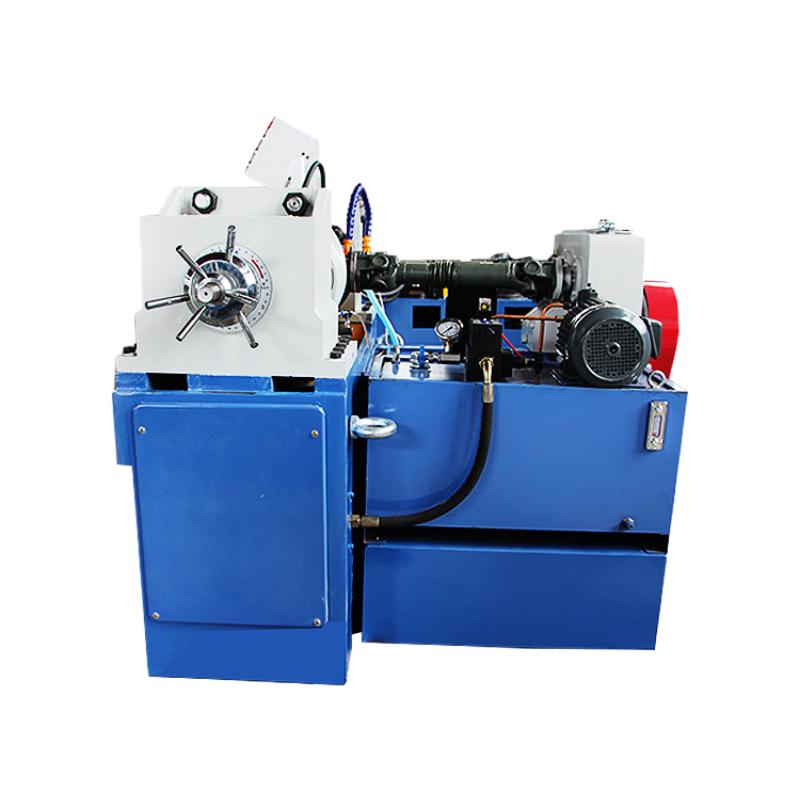
I’ve spent enough time on shop floors to know this: when production managers say “we need more throughput by Friday,” they rarely mean “let’s redesign the process.” They mean “get a tougher, steadier machine.” That’s where the Z28-150 Automatic nut and bolt threading rod Thread Rolling Tool from XingWan Industrial Zone, Xingtai City, Hebei, China, keeps popping up in my notes—and in a surprising number of purchasing lists.
What it is, in plain terms
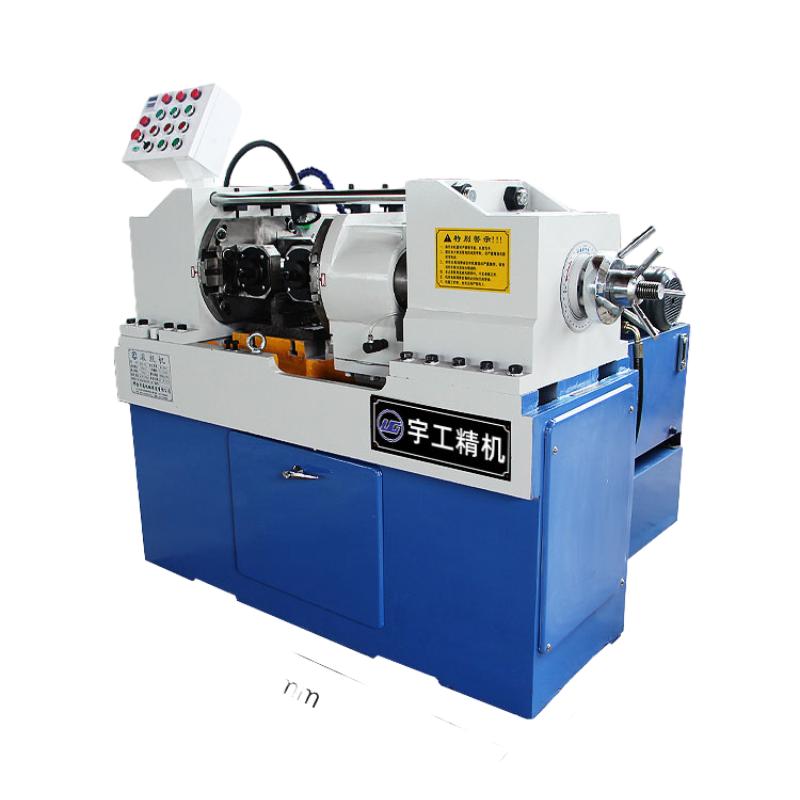
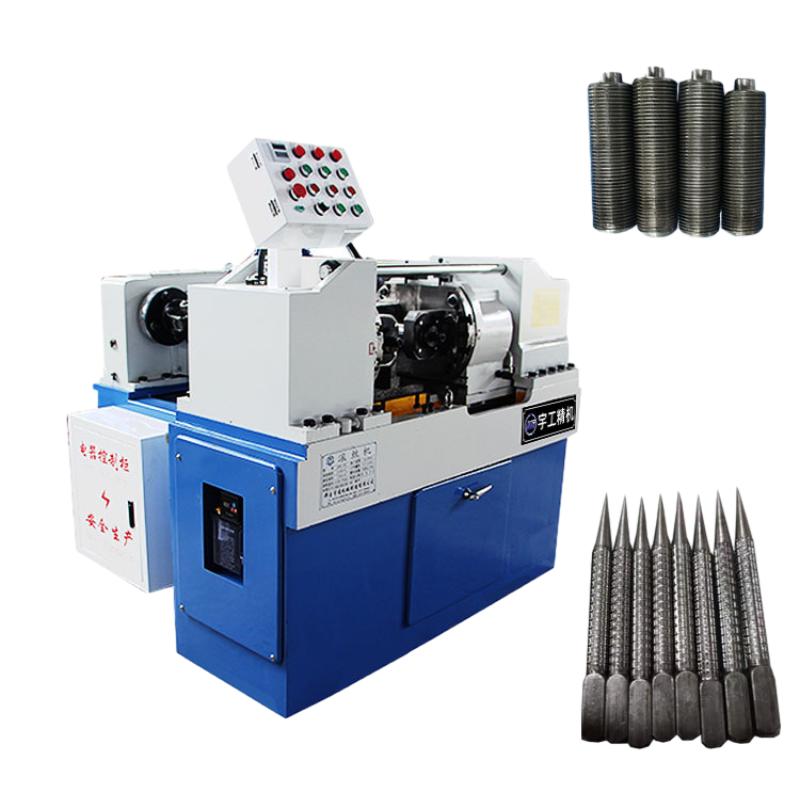
The Z28-150 is a cold-forming workhorse: diameter range 6–42 mm, pitch 1–5 mm, with a 5.5 kW main motor, 1.5 kW hydraulic motor, and 90 W cooling. Footprint? 1600×1550×1445 mm. Weight? A solid 1,800 kg. It’s built for bolts, studs, rods, and rebar couplers where rolled threads mean higher fatigue strength. Many customers say it just “runs and runs,” which, to be honest, is exactly what production likes to hear.
At-a-glance specs
| Model | Z28-150 |
| Diameter capacity | 6–42 mm (real-world use may vary by material hardness) |
| Pitch | 1–5 mm |
| Main motor / Hydraulic / Cooling | 5.5 kW / 1.5 kW / 90 W |
| Dimensions / Weight | 1600×1550×1445 mm / ≈1,800 kg |
Process flow and materials (the nuts and bolts, literally)
- Materials: C45, 40Cr, 35CrMo, 304/316 stainless, B7, rebar coupler steels (HRC 15–32 recommended).
- Method: Cold forming via dual rolling dies; improved grain flow vs cut threads, often +25–50% fatigue strength.
- Setup: Die selection (lead/pitch), center distance, infeed vs through-feed, coolant mix 5–8%.
- Testing: Go/No-Go gauges per ISO 1502; thread tolerance per ISO 965 or ASME B1.13M; roughness check per ISO 4287.
- Service life: Rolling dies ≈80k–200k parts (depends on material/coolant); machine frame 8–12 years with normal upkeep.
- Industries: Automotive fasteners, construction anchors, energy hardware, furniture, rail MRO, general OEMs.
Why rolling wins
Thread Rolling Tool users keep citing three things: faster cycles (often 2–4× compared to cutting), tighter repeatability (I’ve seen ±0.02 mm pitch diameter on controlled trials), and better surface finish (Ra ≈0.8–1.6 μm). And chips? None. Cleaner floor, lower disposal fees.
Vendor landscape (quick comparison)
| Vendor / Model | Capacity | Pitch | Power | Warranty | Lead time |
|---|---|---|---|---|---|
| MOTE Z28-150 | 6–42 mm | 1–5 mm | 5.5 kW main | 12–18 months (typ.) | ≈25–40 days |
| Vendor A “Roller 40” | 8–40 mm | 1–4 mm | 5.0 kW | 12 months | ≈45–60 days |
| Vendor B “Compact 42” | 6–42 mm | 1–5 mm | 6.0 kW | 12 months | ≈30–50 days |
Notes: specs are representative; real-world support, die availability, and spare-parts logistics often decide the winner.
Quality, compliance, and testing
Typical certifications requested by buyers: CE for machinery, ISO 9001 for QA. Thread compliance follows ISO 965 (metric) or ASME B1.13M, verified using gauges per ISO 1502. I’ve seen shop-floor SPC charts showing Cp/Cpk > 1.33 after warm-up, which is solid.
Field notes and a quick case
Customer feedback? “Switching from cut to rolled threads cut scrap by half,” one Southeast Asian fastener plant told me. Another shop running stainless said coolant discipline mattered more than they expected—once dialed, tool life stabilized.
Case study: A mid-sized OEM making M24–M30 anchor bolts moved to the Z28-150 for a construction project rush. With through-feed and a two-operator cell, they hit ≈22 pcs/min on M16 and ≈10 pcs/min on M30 after week two. Go/No-Go conformance: 99.6% over 10k parts (internal QA data). Not bad, I guess.
Customization you can actually use
- Die sets: custom profiles for special threads and rebar couplers.
- Automation: bowl feeders, bar supports, simple PLC counters.
- Coolant and guarding packages for stainless and higher-duty cycles.
- Energy tweaks: VFDs and soft-start to tame peak loads.
If you’re speccing a Thread Rolling Tool, sanity-check utilities (3-phase), floor space, operator training (half-day is common), and spares. And yes, ask about die lead times.
Where it’s built
Manufactured in XingWan Industrial Zone, Xingtai City, Hebei province, China—an area with a long fastener-machine supply chain. That helps when you need parts fast.
References
- ISO 965-1: Metric screw threads—Tolerances—Principles and basic data.
- ISO 1502: ISO general-purpose metric screw threads—Gauges and gauging.
- ASME B1.13M: Metric Screw Threads—M profile.
- ISO 4287: Geometrical Product Specifications—Surface texture—Profile method.