

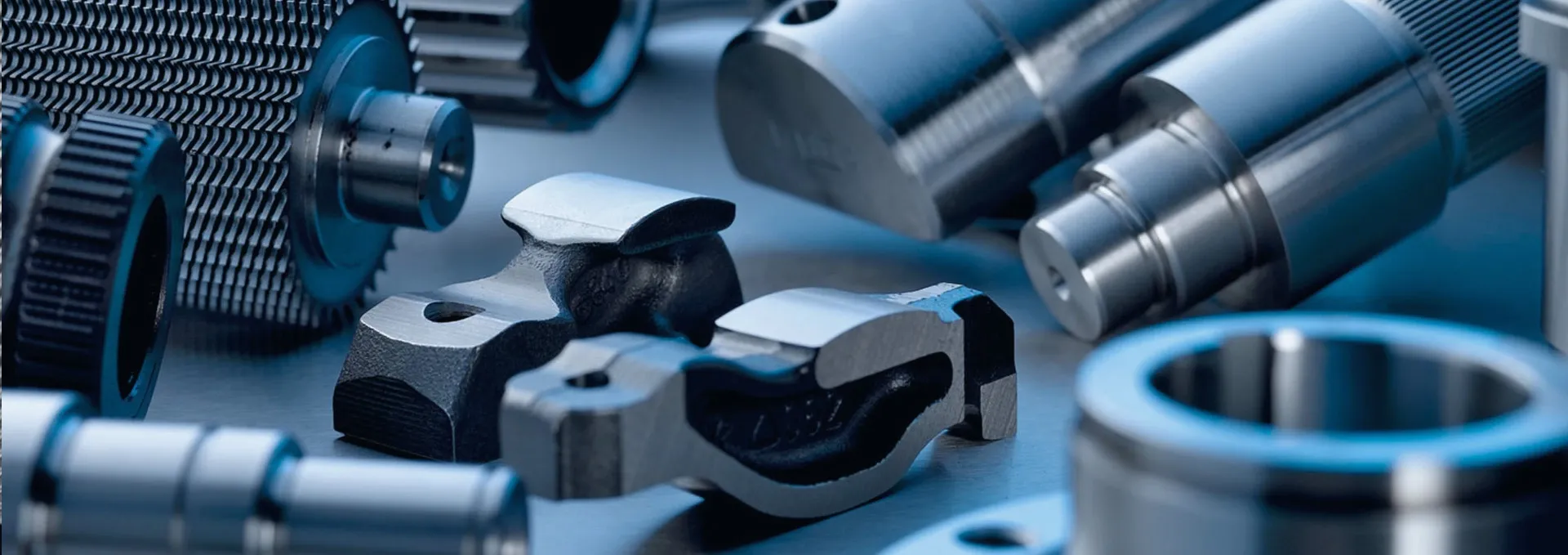
Thread Rolling Tool — Precision, Durable, High Throughput
Inside the shop floor: the thread rolling tool that’s quietly redefining fastener production
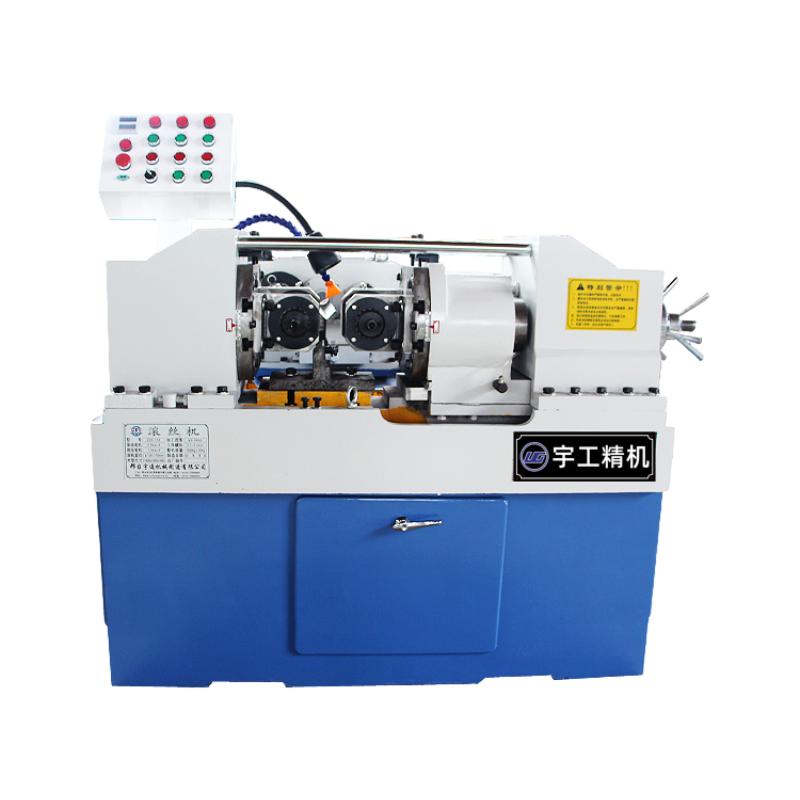
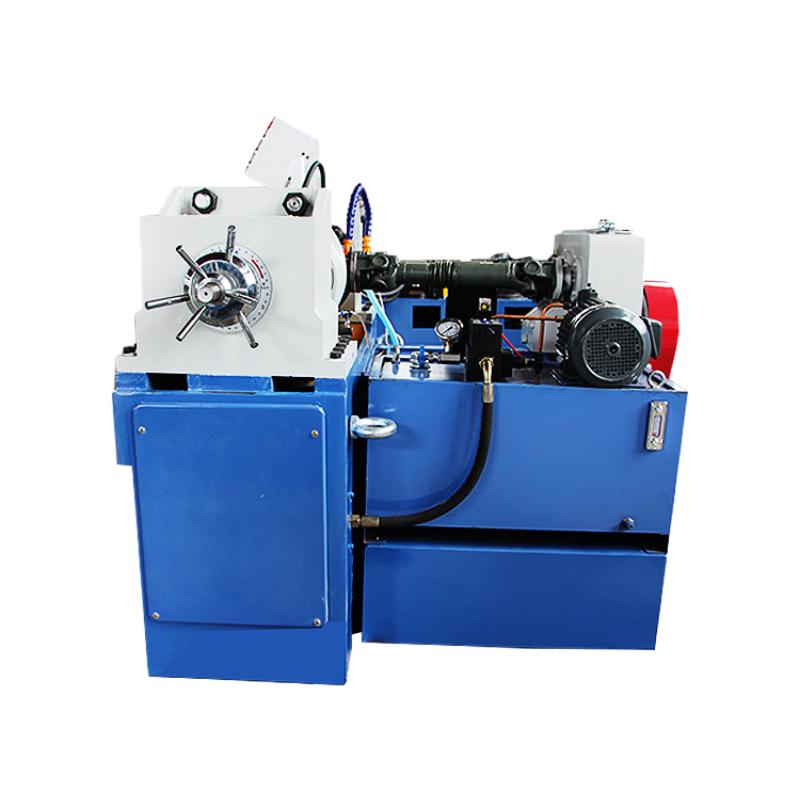
I’ve spent enough late nights around bolt makers to know one thing: when throughput and fatigue strength matter, cutting threads starts losing its shine. Rolling wins. The Automatic nut and bolt threading rod machine (model Z28-150) out of XingWan Industrial Zone, Xingtai City, Hebei, is one of those dependable shop-floor workhorses. It’s not flashy, but it is stubbornly effective. And, to be honest, that’s what you want when orders pile up.
What’s happening in the industry
Fastener buyers—especially in EV, rail, and wind—are pushing for higher fatigue life and lower scrap. That’s driving a steady shift from cut to rolled threads, with automation creeping in (think feeders, in-line laser marking). It seems that many customers say they want “zero drama” uptime plus traceability. This thread rolling tool slots right into that trend: compact footprint, hydraulic assist, and enough torque headroom for mid-heavy diameters.
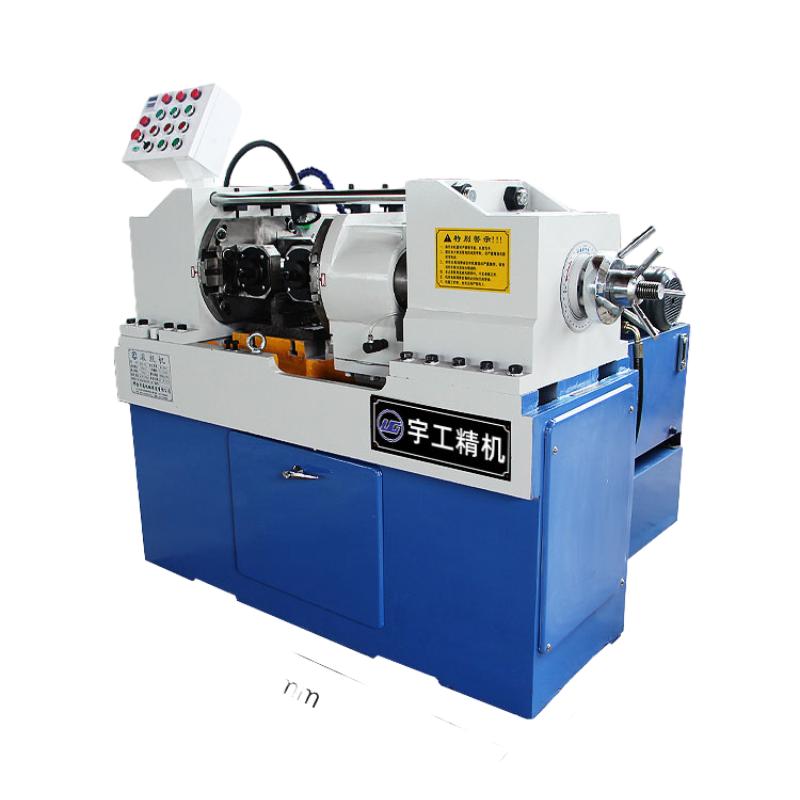
Core specifications (Z28-150)
| Parameter | Value |
|---|---|
| Diameter range | Ø6–42 mm |
| Pitch range | 1–5 mm |
| Main motor | 5.5 kW |
| Hydraulic motor | 1.5 kW |
| Cooling power | 90 W |
| Dimensions (L×W×H) | 1600 × 1550 × 1445 mm |
| Machine weight | ≈ 1800 kg |
| Origin | XingWan Industrial Zone, Xingtai, Hebei, China |
Process flow and real-world use
- Materials: Carbon steels (e.g., 10.9/12.9 grades), alloy steels, stainless (A2/A4), some Ti alloys with setup tweaks.
- Method: Cold rolling between precision dies; hydraulic feed stabilizes bite and reduces chatter.
- Setup: Select die profile (metric per ISO or DIN), set pitch, center height, and infeed; align coolant.
- Testing: Thread tolerances checked to ISO 965-1 (6g typical), surface roughness Ra ≤ 1.6 μm (real-world may vary), tensile per ASTM A370 on finished fasteners.
- Service life: With carbide dies and proper coolant, shops report ≈ 150–300k parts/die set on medium-carbon steel; your mileage will vary with material and lube discipline.
- Industries: Automotive, construction anchors, energy hardware, rail, heavy machinery, general fasteners.
Why rolling, not cutting?
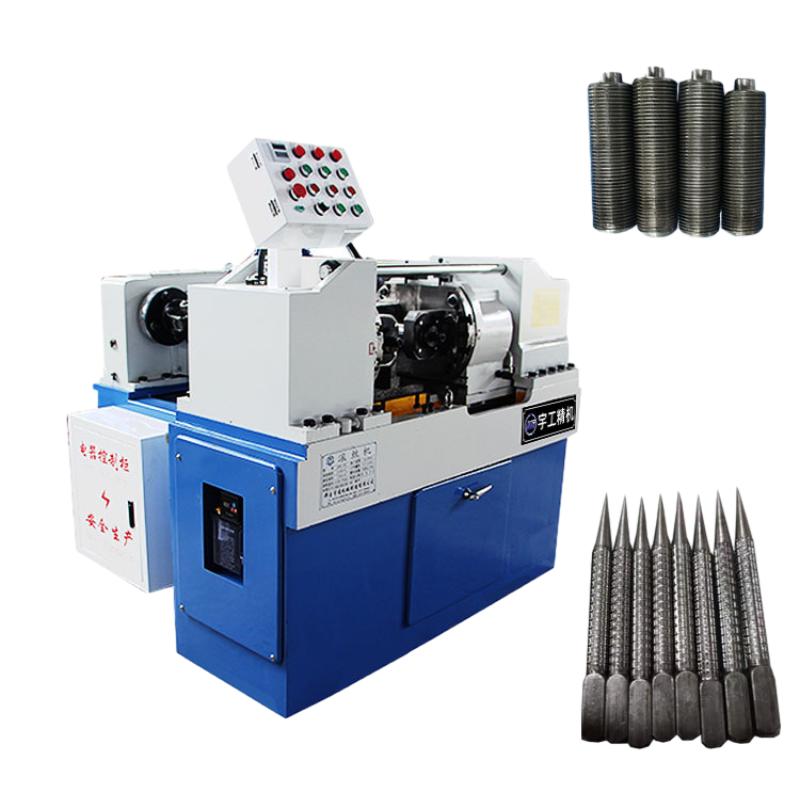
Rolled threads work-harden the root, leaving compressive residual stress that boosts fatigue life—often significantly. In fact, our readers consistently tell us that a well-set thread rolling tool drops scrap and improves consistency on high volumes. Plus: less chip management, which is a quiet cost sink.
Customization options
- Die materials: HSS or carbide; various coatings (TiN/TiCN) for abrasive alloys.
- Thread forms: Metric, UNC/UNF, trapezoidal, custom lead-ins; logo knurling add-ons.
- Automation: Bar feeders, catch trays, in-line gauging, simple PLC counters.
- Coolants: Emulsion or synthetic; filtration upgrades for longer die life.
- Compliance: CE safety packages; material certs EN 10204 3.1 for die steels on request.
Vendor snapshot (informal, buyer-side notes)
| Vendor | Strengths | Watch-outs |
|---|---|---|
| MOTE (Z28-150) | Solid torque for Ø6–42 mm; simple maintenance; good parts availability. | UI is utilitarian; plan training for first-time rollers. |
| Vendor B (EU) | Premium automation packs; deep integration options. | Higher capex; lead times can stretch. |
| Vendor C (JP) | Exceptional repeatability; quiet hydraulics. | Limited die availability locally; service slots fill fast. |
Field notes, testing, and certifications
- Gauging: GO/NO-GO per ISO 1502; pitch diameter deviations tracked against ISO 965-1 tolerance classes.
- Surface: ISO 4287 profilometry; we’ve seen Ra ≈ 0.8–1.6 μm on medium-carbon steel with fresh dies.
- Mechanical: Finished part testing per ASTM A370; typical fatigue improvement vs cut threads reported in literature.
- Certs: Factory ISO 9001; CE-compliant safety packages; material traceability EN 10204 3.1 upon request.
Mini case study
A construction fastener shop running M20 anchors switched to this thread rolling tool and—after two weeks of dialing in coolant and die angle—cut scrap from around 4.2% to 1.1%. Throughput stabilized, and operators stopped fighting chip birds’ nests. Not glamorous, just profitable.
Citations
- ISO 965-1: ISO metric screw threads—Tolerances. https://www.iso.org/standard/54976.html
- DIN 13-1: Metric screw threads—General plan. https://www.din.de
- ASTM A370: Standard Test Methods for Mechanical Testing of Steel Products. https://www.astm.org/a0370
- ISO 4287: Surface texture—Profile method—Terms and parameters. https://www.iso.org/standard/70139.html
- EN 10204:2004—Metallic products—Types of inspection documents. https://standards.cen.eu