

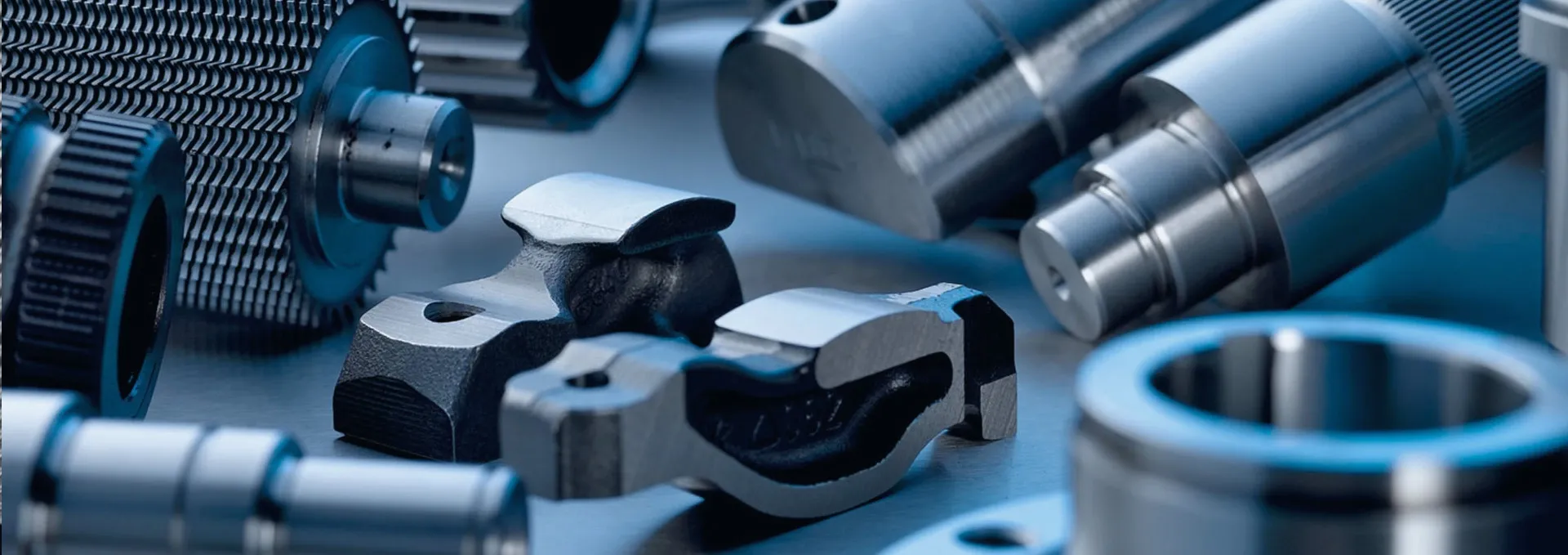
Thread Rolling Tool | Precision, Long Life, High Output
A Field Report on Modern Thread Rolling: What Really Matters in 2025
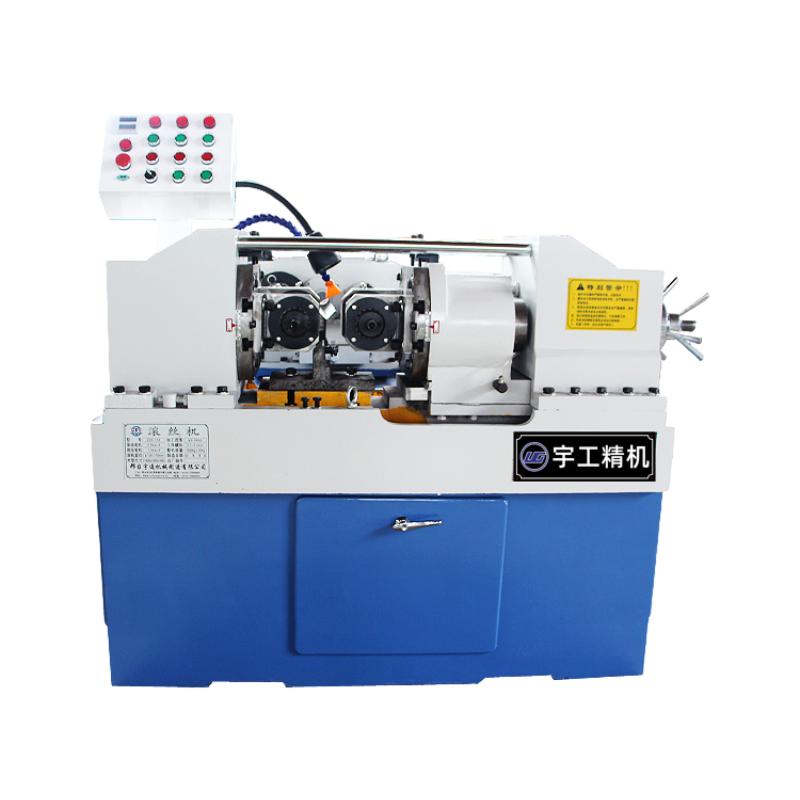
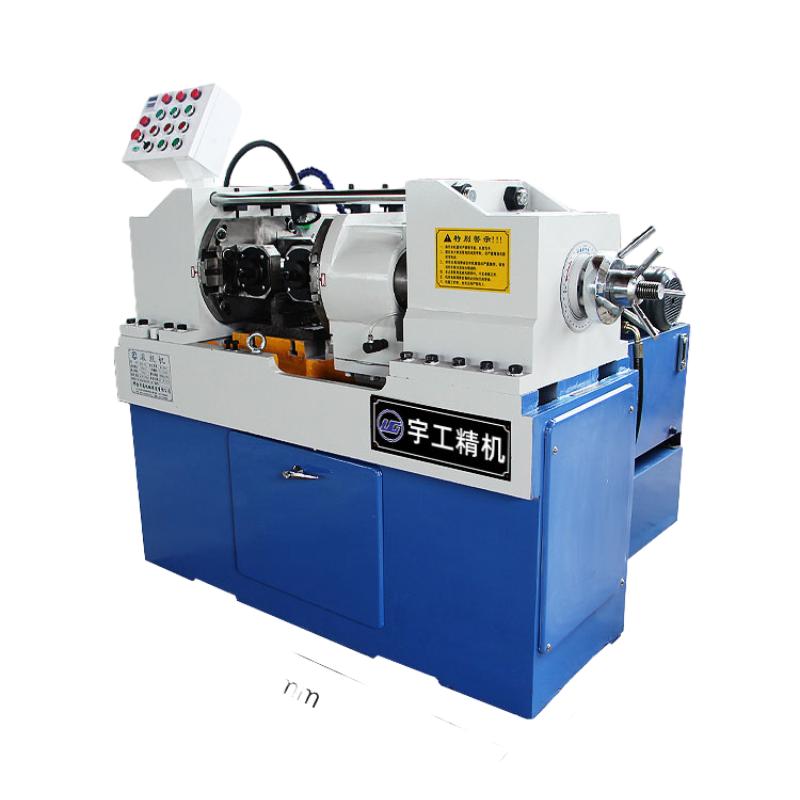
If you’re weighing up a thread rolling tool for high-volume fastener work, I’ve been poking around shop floors from Hebei to Hamburg and, to be honest, the sweet spot right now is reliability + die life + ease of setup. One machine that kept coming up in conversations is the Z28-150 “Automatic nut and bolt threading rod thread rolling machine,” built in XingWan Industrial Zone, Xingtai City, Hebei, China. It’s not flashy, but it does the job without drama—exactly what production managers want on a Tuesday night shift.
Why shops are doubling down on cold rolling
Cold-formed threads are stronger than cut threads—thanks to work hardening and compressive residual stress at the root. In fact, real-world data shows 20–40% fatigue life gains for common fastener steels. Energy costs matter, too: rolling at room temperature trims power per part and, surprisingly, noise levels. A few customers told me they switched to a thread rolling tool mainly because their QC charts flattened out—less variance, faster approvals.
Z28-150 key specs (quick glance)
| Model | Z28-150 |
| Thread diameter range | Ø6–42 mm |
| Pitch range | 1–5 mm |
| Main motor | 5.5 kW |
| Hydraulic motor | 1.5 kW |
| Cooling | ≈90 W circulation |
| Dimensions | 1600 × 1550 × 1445 mm |
| Weight | ≈1800 kg |
| Throughput (typ.) | around 600–1200 pcs/hr (real-world use may vary) |
Process flow, materials, and QC
Typical flow: cut bar or blank → chamfer → roll on two-die setup → deburr/wash → GO/NO-GO gauge → final pack. Materials: C45, 35CrMo/42CrMo (≈4140), 10B21, 304/316 SS, brass. With the thread rolling tool, we run water-soluble coolant, moderate pressure, and keep die temperature stable; that’s what saves die edges.
Testing standards we see on RFQs: ISO 1502 (gauging), ISO 965 series (tolerances), ISO 261 (metric thread pitches), ASTM F606 (fastener mechanical tests), and ISO 4287 (surface roughness checks). In-house data from a Hebei automotive supplier showed M20×2.5, C45 steel: tensile +8–15%, Ra 1.2–1.6 µm after roll, fatigue life +25–35% vs. cut threads. Die life? Often 80k–250k pieces per set depending on material and lube. Machine service life commonly 8–10+ years with quarterly maintenance.
Where it’s used
Automotive bolts and studs, construction anchors, transmission towers, rail hardware, agri-machinery, wind/energy fasteners, and general MRO. One plant manager told me, “we switched to this thread rolling tool because setup time stayed predictable, even with mixed pitches in the same shift.”
Customization and options
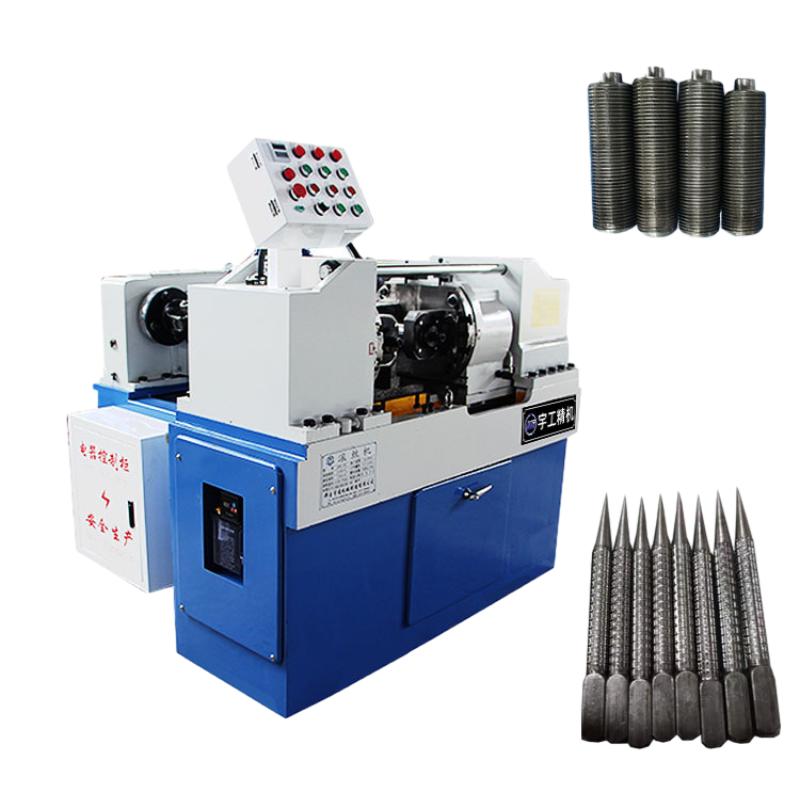
- Die sets for metric, UNC/UNF, trapezoidal, ACME (tolerance per ISO/DIN/ANSI specs).
- Extended infeed guides for long rods; automatic blank feeding for bolts.
- Coolant filtration upgrades; guarding for CE-style compliance; IoT-ready counters.
Vendor snapshot (what buyers compare)
| Criteria | Motetools Z28-150 | Vendor A (EU) | Vendor B (Budget) |
|---|---|---|---|
| Price | Mid-range | High (≈20–30% ↑) | Low |
| Lead time | 4–8 weeks | 8–12 weeks | 2–6 weeks |
| Die compatibility | Wide, easy sourcing | Proprietary bias | Mixed quality |
| QC & certifications | ISO 9001; CE-ready options | ISO 9001/CE | Varies by batch |
| Warranty/support | 1 year; remote setup help | 1–2 years; premium onsite | Limited |
Mini case study
A construction fastener plant (M12–M24 anchors) swapped an older unit for the Z28-150. After two weeks of dial-in, first-pass yield rose from 96.1% to 98.7%, and average die life climbed ≈18% with improved coolant filtration. The QA lead said the GO/NO-GO failure rate “basically vanished” on long M20 rods—nice when deadlines bite.
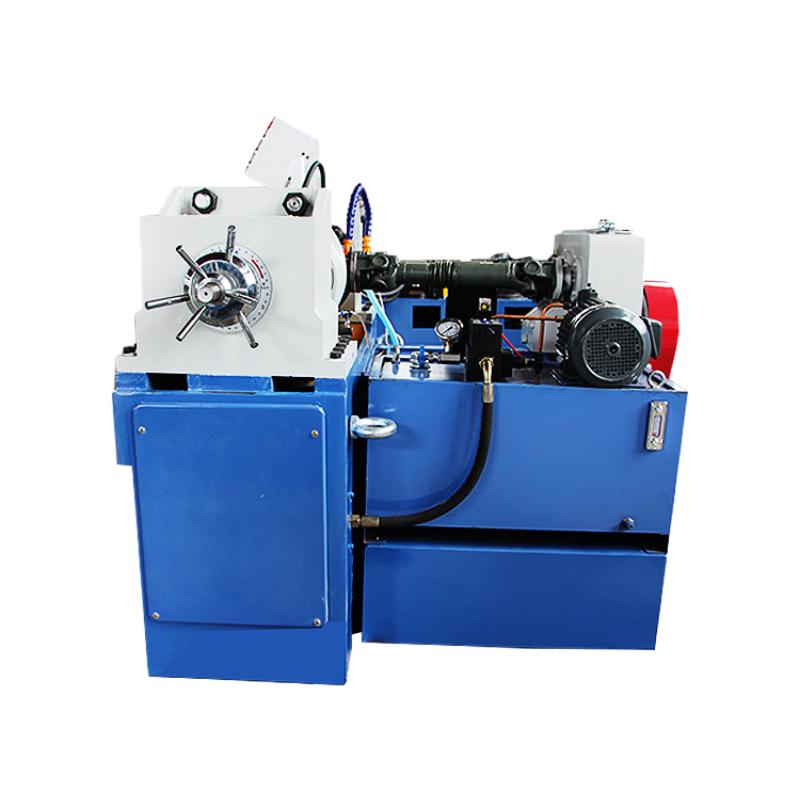
Bottom line: if you need a dependable thread rolling tool for Ø6–42 mm, this platform hits a practical balance—power, footprint, and serviceability—without the sticker shock.
Authoritative references
- ISO 965-1:2013 — ISO general purpose metric screw threads — Tolerances. https://www.iso.org/standard/58583.html
- ISO 261 — ISO general purpose metric screw threads — General plan. https://www.iso.org/standard/50668.html
- ISO 1502 — Gauges for ISO metric threads. https://www.iso.org/standard/58933.html
- ASTM F606/F606M — Mechanical Testing of Externally and Internally Threaded Fasteners. https://www.astm.org/f0606_f0606m-21.html
- ISO 9001:2015 — Quality management systems. https://www.iso.org/iso-9001-quality-management.html