

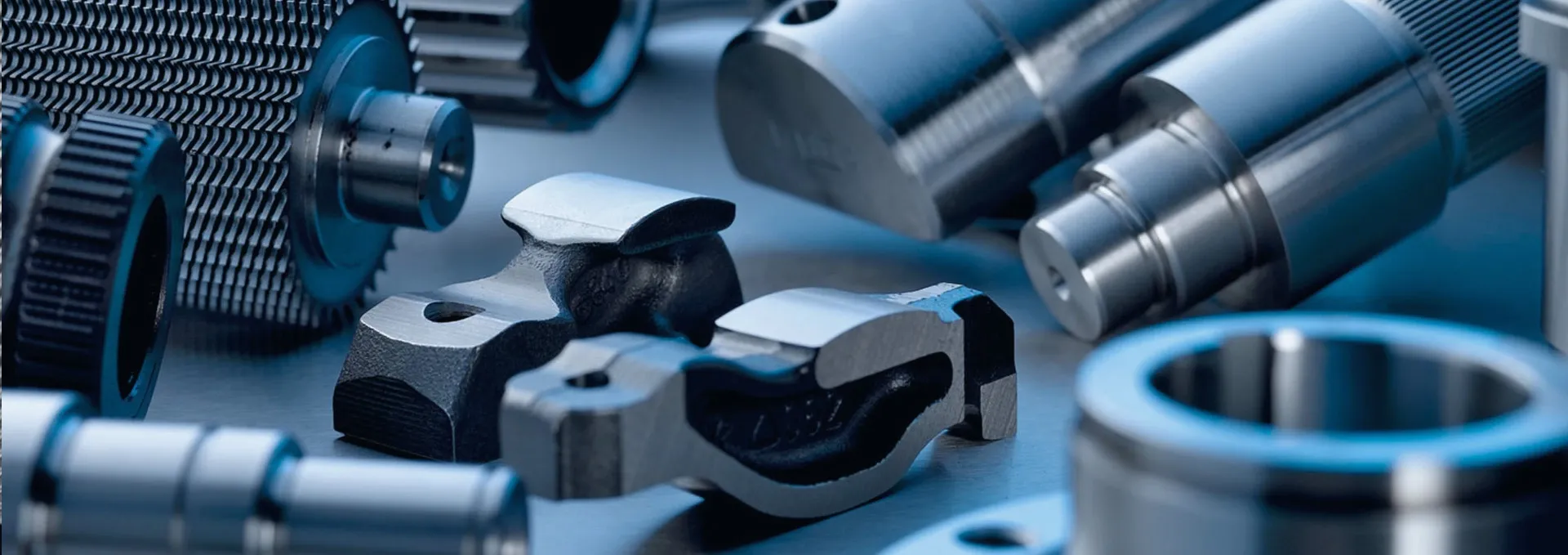
Advanced CNC Thread Rolling Machine: Precision & Efficiency
The Precision of Automated Thread Production
In modern manufacturing, the demand for high-strength, precision fasteners is paramount across diverse industries. Thread rolling stands out as a superior method for creating robust threads, offering significant advantages over traditional cutting techniques. At the forefront of this technology is the cnc thread rolling machine, a sophisticated solution engineered for unparalleled accuracy, efficiency, and material integrity. This article delves into the intricacies of these advanced machines, exploring their technical prowess, application versatility, and the strategic benefits they offer B2B decision-makers and engineers seeking to optimize their production processes for critical components like anchor bolts and stainless rods.
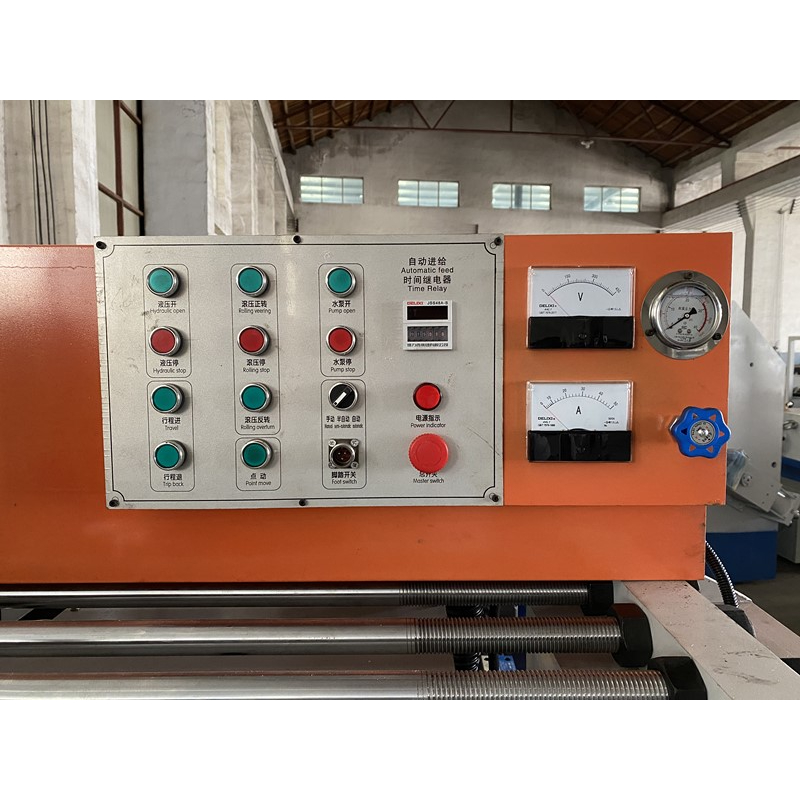
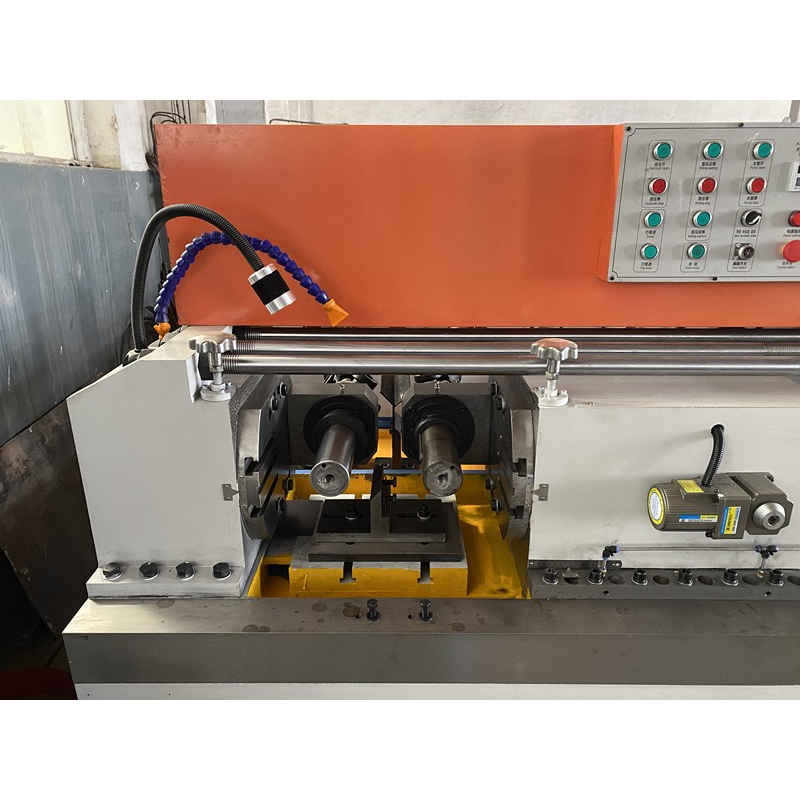
Our featured product, the anchor bolt stainless rod thread making machine thread rolling machine, exemplifies the peak of this technology, designed to meet the rigorous demands of sectors requiring exceptional fastener performance.
Industry Trends and Market Dynamics in Thread Manufacturing
The global manufacturing landscape is continuously evolving, driven by an increasing need for automation, higher precision, and enhanced material performance. For thread manufacturing, this translates into several key trends:
- Automation and Digitalization: The integration of CNC technology, IoT, and AI is transforming thread rolling operations, enabling greater control, predictive maintenance, and seamless production flows.
- Demand for High-Strength Fasteners: Industries like aerospace, automotive, and energy require fasteners that can withstand extreme stresses and environments. Cold roll forming, inherent to thread rolling, enhances material strength, making it ideal for such applications.
- Material Versatility: Advances in machine design allow for efficient thread rolling of a broader range of materials, including hardened steels, stainless alloys, and exotic metals, without compromising quality.
- Sustainability: Thread rolling is an inherently more sustainable process than cutting, as it produces no chips or material waste, contributing to reduced resource consumption and environmental impact.
The market sees continued innovation in specialized equipment such as the flat thread rolling machine for specific thread profiles, the powerful hydraulic threading machine for high force requirements, and the compact mini thread rolling machine for smaller scale or intricate parts. These developments underline the industry's commitment to precision, efficiency, and adaptability, with CNC integration being a critical driver of progress.
The Manufacturing Process: A Deep Dive into Thread Rolling
Understanding the Cold Forming Advantage
Thread rolling is a cold-forming process where threads are formed by displacing material rather than removing it. This method enhances the material's physical properties, resulting in threads with superior strength, fatigue resistance, and surface finish compared to cut threads.
Detailed Process Flow of a CNC Thread Rolling Machine:
- Material Preparation: High-quality bar stock or wire, often made from specified product materials such as alloy steels, stainless steel (e.g., 304, 316), or high-tensile carbon steel, is precision cut to the required length. The ends are often chamfered to facilitate smooth feeding into the machine.
- Machine Setup and Die Loading: The machine is configured with precision-ground thread rolling dies. These dies, manufactured through advanced processes like CNC machining and heat treatment, feature the negative profile of the desired thread. Accurate alignment and spacing of the dies are critical, typically guided by the machine’s CNC system.
- Component Feeding: The prepared workpiece is automatically fed into the rolling area between the rotating or reciprocating dies. The CNC system ensures precise positioning and controlled feed rates.
- Cold Forming (Rolling): As the dies press into the workpiece, the material is plastically deformed and flows into the die profiles, forming the thread. This cold working process refines the grain structure, increasing the material's tensile strength, shear strength, and fatigue life. The hydraulic system of the machine applies the precise rolling force, controlled by the CNC interface.
- Quality Control and Inspection: Post-rolling, threads are rigorously inspected for dimensional accuracy, pitch diameter, lead, and surface finish against international testing standards such as ISO (e.g., ISO 965 for metric threads) and ANSI/ASME. Non-destructive testing methods might also be employed.
- Post-Processing: Depending on the application, parts may undergo cleaning, deburring, heat treatment for further hardening, or protective coatings (e.g., galvanization, plating) to enhance corrosion resistance.
This meticulous process ensures a superior service life for the threaded components, making them indispensable in target industries such as petrochemical (for high-pressure pipelines and structural components), metallurgy (for heavy machinery and infrastructure), and water supply & drainage (for robust connections). The inherent advantages, such as significant energy saving due to material displacement over removal, and enhanced corrosion resistance due to improved surface integrity, are critical in these demanding environments.
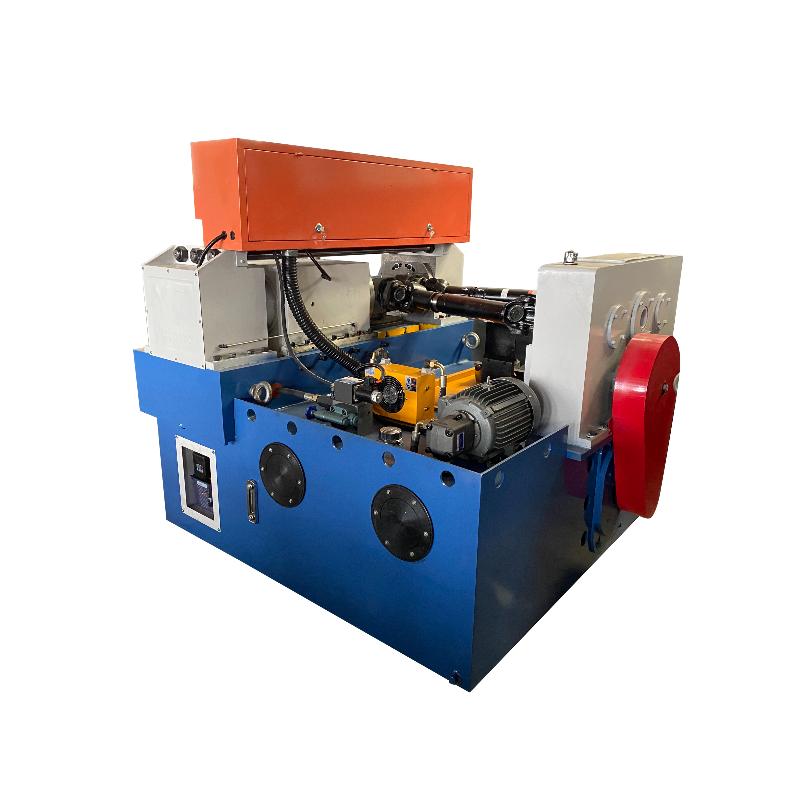
Technical Specifications of Advanced CNC Thread Rolling Machines
The performance of a cnc thread rolling machine is defined by a range of critical technical parameters that dictate its capability, precision, and efficiency. Below is a representative table outlining key specifications for high-performance models:
Typical CNC Thread Rolling Machine Specifications
These parameters, often enhanced by features such as automatic feeding systems, digital readouts for precise adjustments, and sophisticated diagnostic tools, ensure that the machine delivers consistent, high-quality output while minimizing operator intervention and setup times. The robust construction, incorporating high-grade casting and precision-machined components, contributes to an extended service life and reliable operation even under continuous heavy-duty use.
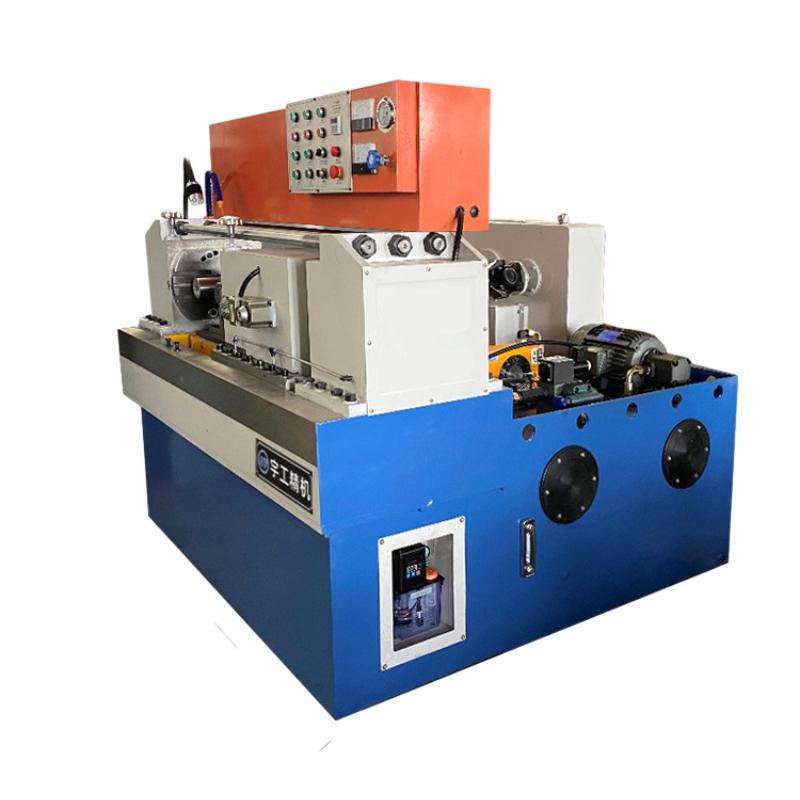
Application Scenarios & Industry Impact
The versatility and superior quality of threads produced by cnc thread rolling machines make them indispensable across a multitude of critical industries:
- Automotive Industry: Used for manufacturing high-strength engine bolts, connecting rod bolts, wheel studs, and various chassis fasteners where fatigue resistance and reliability are paramount.
- Aerospace and Defense: Production of fasteners for aircraft structures, engines, and military equipment, where adherence to stringent quality standards (e.g., AS9100) and material integrity are non-negotiable.
- Construction and Infrastructure: Essential for fabricating anchor bolts, rebar couplers, and structural fasteners used in bridges, high-rise buildings, and heavy-duty foundations. The enhanced strength and durability are crucial for long-term structural integrity.
- Energy Sector (Oil & Gas, Renewable): Creation of bolts and studs for pipelines, valves, pressure vessels, and wind turbine components, demanding high resistance to corrosion, extreme temperatures, and stress.
- Machinery and Heavy Equipment: Manufacturing of precision screws, lead screws, and specialized fasteners for industrial machinery, agricultural equipment, and heavy-duty vehicles, ensuring robust and reliable assembly.
- Medical Devices: For specific high-precision applications where small, strong, and highly consistent threads are required.
The impact of these machines is profound, enabling manufacturers to meet rigorous industry standards (e.g., ISO, ASTM), reduce material waste, and achieve higher production rates while maintaining superior product quality. This directly translates to enhanced product reliability and safety in end-use applications.
Technical Advantages of CNC Thread Rolling
The adoption of cnc thread rolling machine technology offers a distinct competitive edge due to its inherent technical advantages:
- Superior Thread Strength: Cold working densifies the material at the thread root, creating a compressive stress zone that significantly increases tensile, shear, and fatigue strength by up to 30% compared to cut threads. This is crucial for critical applications.
- Enhanced Surface Finish: The rolling process produces a smooth, burnished surface finish, free from micro-cracks or tears common in cutting. This polished surface improves corrosion resistance and reduces stress concentration points, extending service life.
- Material Efficiency and Reduced Waste: Since no material is removed, thread rolling produces no chips, leading to 100% material utilization for the threaded portion. This results in significant cost savings and a more sustainable manufacturing process.
- High Production Rates: CNC thread rolling machines are designed for rapid, continuous operation, achieving significantly higher output volumes compared to thread cutting or grinding. Automated feeding and precise control minimize cycle times.
- Consistent Quality and Repeatability: The CNC system ensures highly consistent thread geometry, pitch diameter, and lead accuracy from part to part, reducing scrap rates and ensuring interchangeability.
- Reduced Tool Wear: Thread rolling dies typically have a much longer lifespan than cutting tools, as they are subjected to compressive forces rather than shearing forces, leading to lower tooling costs and less downtime for tool changes.
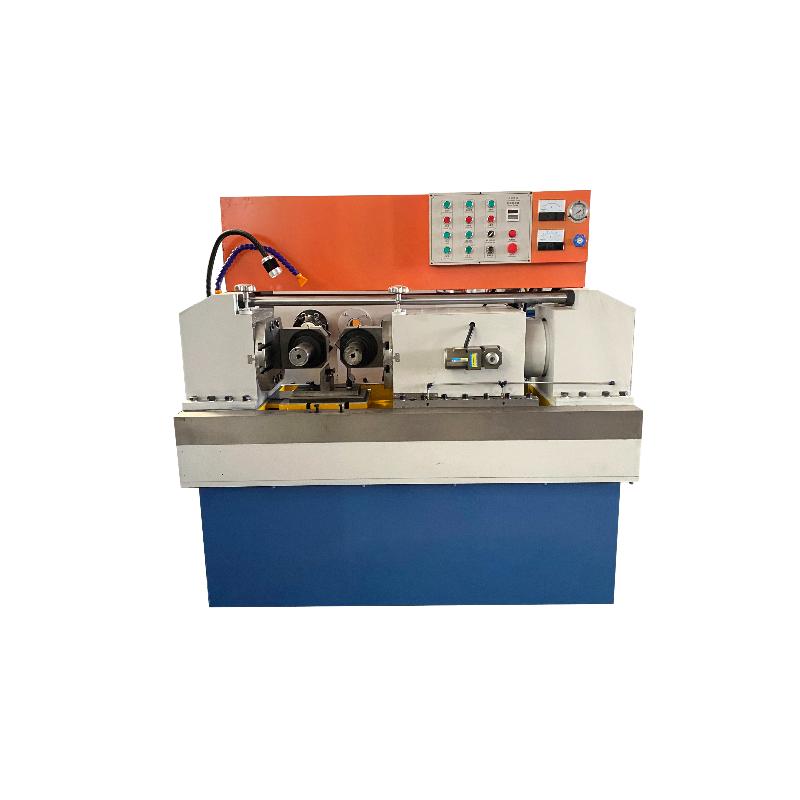
Vendor Comparison: Choosing the Right Thread Rolling Solution
Selecting the optimal cnc thread rolling machine requires a thorough evaluation of various vendors and their offerings. Key factors include machine capabilities, build quality, control system sophistication, after-sales support, and overall value. Below is a comparative overview of different vendor profiles to guide your decision-making:
Comparative Analysis of Thread Rolling Machine Vendors
Motetools positions itself as a provider of advanced, robust, and cost-effective solutions, often bridging the gap between high-end specialists and entry-level options. Our focus is on delivering machines with optimal performance, leveraging modern CNC technology and providing comprehensive support, ensuring a strong return on investment for our clients.
Customized Solutions and Engineering Partnership
Understanding that off-the-shelf solutions may not always suffice for specialized industrial applications, Motetools emphasizes offering tailored customization for our cnc thread rolling machines. Our engineering team works closely with clients to develop bespoke solutions that precisely match unique production demands.
- Design Adaptations: Modifying machine dimensions, increasing rolling force, or adjusting work envelope to accommodate oversized or unusually shaped workpieces.
- Material Compatibility: Engineering specific dies and machine settings to optimize thread rolling for challenging materials such as high-nickel alloys, titanium, or specialized stainless steels, ensuring optimal grain flow and surface integrity.
- Integration with Existing Lines: Developing interfaces and automation features to seamlessly integrate the thread rolling machine into an existing production line, including robotic loading/unloading, in-line gauging, and data feedback systems for Industry 4.0 environments.
- Specialized Tooling and Die Design: Collaborating on custom die designs for non-standard thread forms, specific thread pitches, or unique component geometries that require specialized rolling kinematics.
- Advanced Control Systems: Implementing higher-level CNC capabilities, enhanced HMI functionalities, or custom software for complex rolling profiles and advanced process monitoring.
Our approach involves an initial consultation, detailed engineering design, simulation, prototyping (if necessary), and rigorous testing to ensure the customized solution meets all performance and quality benchmarks. This partnership model ensures clients receive not just a machine, but a fully optimized thread manufacturing system designed for their specific competitive advantage.
Real-World Application Case Studies
Our commitment to delivering high-performance thread rolling machines is demonstrated through successful client engagements across diverse sectors. Here are a few illustrative case studies:
Case Study 1: High-Pressure Fasteners for Petrochemical Industry
Client: A leading manufacturer of oil and gas equipment components.
Challenge: Producing large quantities of high-strength, corrosion-resistant studs and bolts from Inconel 718 for critical applications in offshore drilling platforms. Traditional cutting methods resulted in excessive material waste, tool wear, and inconsistent thread profiles, leading to frequent rejections.
Solution: Motetools supplied a customized heavy-duty cnc thread rolling machine with enhanced hydraulic power and specialized Inconel-specific dies. The machine was integrated with an automated feeding system for continuous production.
Results: The client achieved a 40% reduction in material waste and a 25% increase in production throughput. Thread quality, as measured by fatigue life and corrosion resistance tests (per ASTM F2281), showed significant improvement, leading to a 95% reduction in part rejections. The enhanced material integrity of the rolled threads contributed to extending the service life of critical offshore components.
Case Study 2: Precision Rods for Automotive Suspension Systems
Client: A Tier 1 automotive supplier specializing in suspension components.
Challenge: Manufacturing high-volume threaded rods for advanced automotive suspension systems from heat-treated alloy steel. The critical requirements included extremely tight tolerances on thread pitch and diameter, superior surface finish for optimal load distribution, and high fatigue resistance to withstand millions of stress cycles.
Solution: We provided a high-speed, fully automated CNC thread rolling machine equipped with advanced servo-driven controls for ultra-precise die synchronization and real-time monitoring. The machine featured an integrated laser gauging system for 100% in-line quality inspection.
Results: The client reported a 30% reduction in cycle time per part and a near-zero defect rate for critical thread dimensions. The enhanced fatigue strength of the rolled threads significantly improved the overall durability and reliability of their suspension systems, meeting stringent automotive industry standards (e.g., IATF 16949 compliance for fasteners).
Case Study 3: Anchor Bolts for Large-Scale Construction Projects
Client: A leading fabricator of structural steel and foundation elements for commercial infrastructure.
Challenge: Producing large-diameter anchor bolts from high-strength carbon steel, often specified with very long thread lengths, for rapid deployment in major construction projects. Consistency in thread quality and high production throughput were key to meeting tight project deadlines.
Solution: Motetools deployed a robust hydraulic threading machine with extended rolling capabilities, specifically designed for large diameter and long thread length applications. Its hydraulic system provided the necessary force and stability, ensuring consistent thread formation even on demanding materials.
Results: The client achieved a 50% increase in daily production capacity for anchor bolts compared to their previous cutting-based methods. The consistency of the rolled threads allowed for faster on-site assembly and reduced installation time, contributing to project cost savings and improved construction timelines. Their compliance with ASTM F1554 and A193 standards was consistently met, bolstering their reputation for reliable components.
Ensuring Trustworthiness: FAQ, Lead Time, Warranty & Support
At Motetools, building trust and ensuring client satisfaction are paramount. We stand behind our products with transparent processes and comprehensive support.
Frequently Asked Questions (FAQ)
- Q: What types of materials can be processed by your CNC thread rolling machines?
- A: Our machines are capable of processing a wide range of materials, including various grades of carbon steel, alloy steel, stainless steel (e.g., 304, 316), brass, copper, aluminum, and exotic alloys like Inconel and Titanium. Specific material capabilities depend on the machine model and die configuration.
- Q: How does thread rolling enhance the strength of fasteners?
- A: Thread rolling is a cold-forming process that rearranges the material's grain structure to follow the contours of the thread, rather than cutting across them. This creates a stronger, denser thread root and introduces compressive stresses, significantly increasing the fastener's tensile, shear, and fatigue resistance.
- Q: What are the typical maintenance requirements for a CNC thread rolling machine?
- A: Regular maintenance includes checking and topping up hydraulic fluid and coolant, inspecting dies for wear, lubricating moving parts, and ensuring electrical connections are secure. Our machines feature robust designs requiring minimal downtime, and we provide detailed maintenance schedules and guidance during installation and training.
- Q: Can your machines handle both through-feed and in-feed (plunge) rolling?
- A: Yes, our versatile machines are designed to perform both through-feed rolling for continuous threads on long bars and in-feed (plunge) rolling for shorter thread lengths, ensuring flexibility for diverse production needs.
Lead Time and Fulfillment
Standard lead times for our thread rolling machines typically range from 8 to 16 weeks, depending on the model, customization level, and current production schedule. For highly customized solutions, lead times may extend. We maintain open communication throughout the order fulfillment process, providing regular updates from order confirmation through manufacturing, quality control, and shipping. Expedited options may be available upon request for urgent requirements.
Warranty Commitments
Motetools offers a comprehensive 12-month warranty on all new thread rolling machines, covering parts and labor for manufacturing defects. Extended warranty options are available for additional peace of mind. Our warranty terms are clearly outlined in all sales agreements, demonstrating our confidence in the quality and durability of our equipment.
Customer Support and After-Sales Service
Our commitment extends well beyond the sale. Motetools provides extensive after-sales support to ensure optimal machine performance and customer satisfaction:
- Technical Assistance: Our team of expert engineers and technicians is available for remote troubleshooting via phone, email, and video conferencing.
- On-site Installation & Training: We offer professional installation services and thorough operational training for your staff to maximize machine efficiency and safety.
- Spare Parts Availability: A readily available inventory of genuine spare parts ensures minimal downtime in case of component replacement.
- Preventative Maintenance Programs: Tailored service contracts are available to help maintain machine longevity and prevent unforeseen issues.
- Software Updates: Periodic software updates for CNC control systems to enhance functionality and performance.
Conclusion
The evolution of thread manufacturing has undeniably positioned the cnc thread rolling machine as a cornerstone technology for producing superior, high-integrity threads. Its advantages in enhancing material strength, improving surface finish, increasing production efficiency, and minimizing waste are critical for industries where fastener reliability is paramount. Motetools remains dedicated to providing cutting-edge solutions, from standard models to fully customized systems, backed by robust support and a commitment to engineering excellence. Investing in a high-quality CNC thread rolling machine is an investment in the future of precision manufacturing, ensuring components that meet the highest global standards for performance and durability.
Authoritative References
- Kalpakjian, S., & Schmid, S. R. (2014). Manufacturing Engineering and Technology (7th ed.). Pearson.
- ASM International. (2002). ASM Handbook, Vol. 14A: Metalworking: Bulk Forming. ASM International.
- Dahl, E. (2007). Thread Rolling: Theory and Application. Society of Manufacturing Engineers.
- ISO 965-1:2013, ISO general purpose metric screw threads – Tolerances – Part 1: Principles and basic data. International Organization for Standardization.
- ASTM F2281-03(2018), Standard Test Method for Evaluating the Mechanical Properties of Threaded Fasteners. ASTM International.