

Precision Thread Rolling Tools & Machines | Hydraulic & Flat Die
Introduction to Precision Thread Rolling Technology
In the realm of advanced manufacturing, the integrity and performance of threaded components are paramount. A critical element enabling this precision is the thread rolling tool. This article delves into the sophisticated world of thread rolling, exploring its intricate manufacturing processes, technical specifications, diverse applications, and profound advantages. Designed for B2B decision-makers and engineering professionals, this content aims to provide a comprehensive understanding of how high-quality thread rolling tools contribute to superior fastener and component production, aligning with the rigorous demands of modern industrial standards.
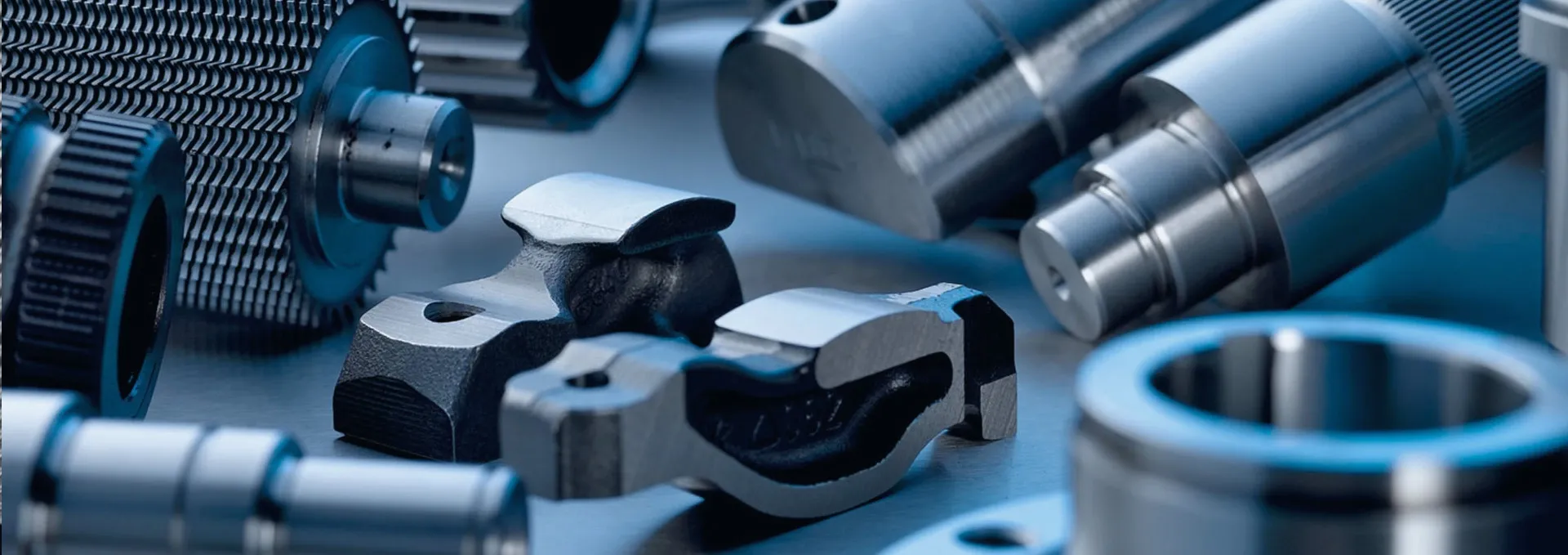
Thread rolling is a cold-forming process that creates threads on a blank by deforming the material rather than cutting it. This method enhances material properties, leading to stronger, more durable threads. The quality of the thread produced is directly dependent on the precision and material properties of the tooling used, making the selection and understanding of the thread rolling tool crucial for optimal performance.
Manufacturing Process Flow of the Thread Rolling Tool
The creation of a high-performance thread rolling tool is a multi-stage process demanding meticulous precision and advanced metallurgical expertise. This process ensures the tool's durability, accuracy, and efficiency in producing threads.
1. Material Selection and Preparation
- High-Grade Tool Steel: Predominantly, D2 tool steel, M2 high-speed steel (HSS), or high-carbon high-chromium steels are selected for their exceptional hardness, wear resistance, and toughness. For applications requiring extreme longevity and precision, certain carbide grades may also be utilized.
- Initial Processing: Raw material is typically sourced in bar form, followed by initial cutting and forging to create blanks that approximate the final tool dimensions. This forging process refines the grain structure, enhancing subsequent heat treatment effectiveness.
2. Precision Machining and Thread Profile Creation
- CNC Machining: Advanced CNC milling and grinding machines are employed to precisely machine the blanks. This stage focuses on achieving the desired external dimensions, bore sizes, and intricate thread profiles. Profile accuracy, lead angle, and helical angle are critical parameters meticulously controlled to meet international standards such as ISO 68 (general purpose threads) or ANSI B1.1.
- Profile Grinding: Specialized grinding techniques, often involving form grinding, are used to create the final thread profile on the tool. This step is crucial for achieving the required surface finish and thread form accuracy (e.g., root radius, flank angle) that directly impacts the quality of the rolled thread.
3. Heat Treatment and Surface Hardening
- Hardening and Tempering: The machined tools undergo a rigorous heat treatment regimen. This involves controlled heating to austenitizing temperatures, rapid quenching (often in oil or salt baths), followed by multiple tempering cycles. This process optimizes the steel's microstructure, achieving target hardness levels (e.g., 60-64 HRC for D2 steel) and enhancing toughness and fatigue resistance.
- Surface Treatments: To further extend service life and reduce friction, tools may receive advanced surface coatings such as PVD (Physical Vapor Deposition) or CVD (Chemical Vapor Deposition) coatings. Common coatings include Titanium Nitride (TiN), Titanium Carbonitride (TiCN), or Chromium Nitride (CrN), which significantly improve wear resistance and lubricity.
4. Final Inspection and Quality Assurance
- Dimensional Verification: Comprehensive checks using profilometers, optical comparators, and coordinate measuring machines (CMMs) verify all critical dimensions, including thread profile, pitch, and concentricity, against specified tolerances. Runout is meticulously measured to ensure smooth, uniform thread formation during operation.
- Material Property Testing: Micro-hardness testing, often employing Vickers or Rockwell scales, confirms the effectiveness of heat treatment. Non-destructive testing methods may also be used to detect any subsurface defects.
- Performance Testing: Sample tools may undergo simulated rolling operations to validate their performance, thread quality, and expected service life under operational conditions. Adherence to ISO 9001 quality management standards is paramount throughout this stage.
This meticulous process ensures that each thread rolling tool meets the highest standards of quality, reliability, and performance, contributing to the energy-saving benefits and corrosion resistance often achieved in final threaded components due to the cold-forming process.
Industry Trends in Thread Rolling Machinery
The landscape of thread rolling technology is continually evolving, driven by demands for higher precision, greater efficiency, and adaptability to complex component designs. Key trends are shaping the future of this vital manufacturing process:
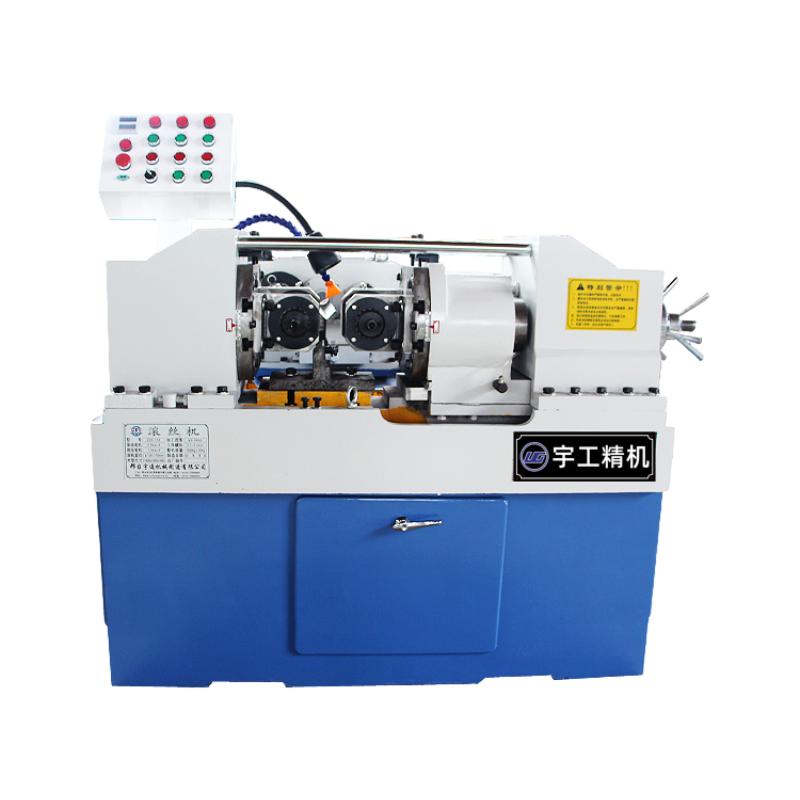
Emergence of Advanced Flat Die Thread Rolling Machines
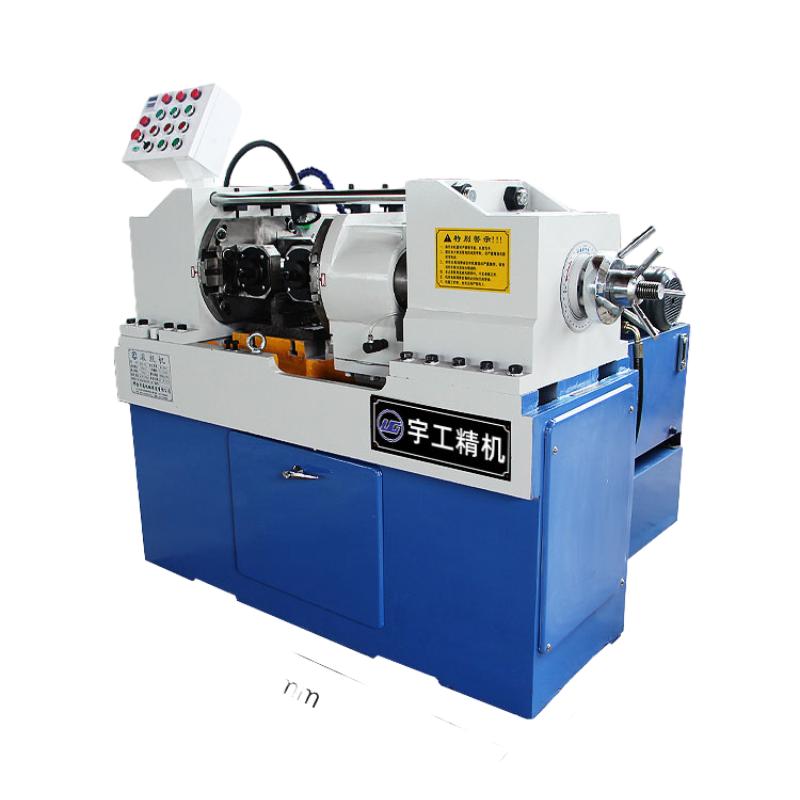
The modern flat die thread rolling machine is at the forefront of high-volume fastener production. These machines are increasingly integrated with advanced automation, including robotic loading and unloading systems, to minimize manual intervention and maximize throughput. Innovations in die materials and surface coatings for the thread rolling tool itself allow for longer die life and improved thread quality even at higher rolling speeds. Digital control systems provide real-time monitoring of rolling force, temperature, and component dimensions, ensuring consistent quality and enabling predictive maintenance.
Rise of Small Thread Rolling Machines for Specialized Applications
There's a growing demand for small thread rolling machine units, particularly in industries requiring miniature or highly specialized threaded components, such as medical devices, electronics, and aerospace instrumentation. These compact machines offer unparalleled precision for fine-pitch threads and small diameters, often incorporating advanced features like closed-loop control for force and position. Their smaller footprint and lower energy consumption make them ideal for specialized production cells or research and development environments where space and flexibility are critical.
Advancements in Hydraulic Thread Rolling Machines
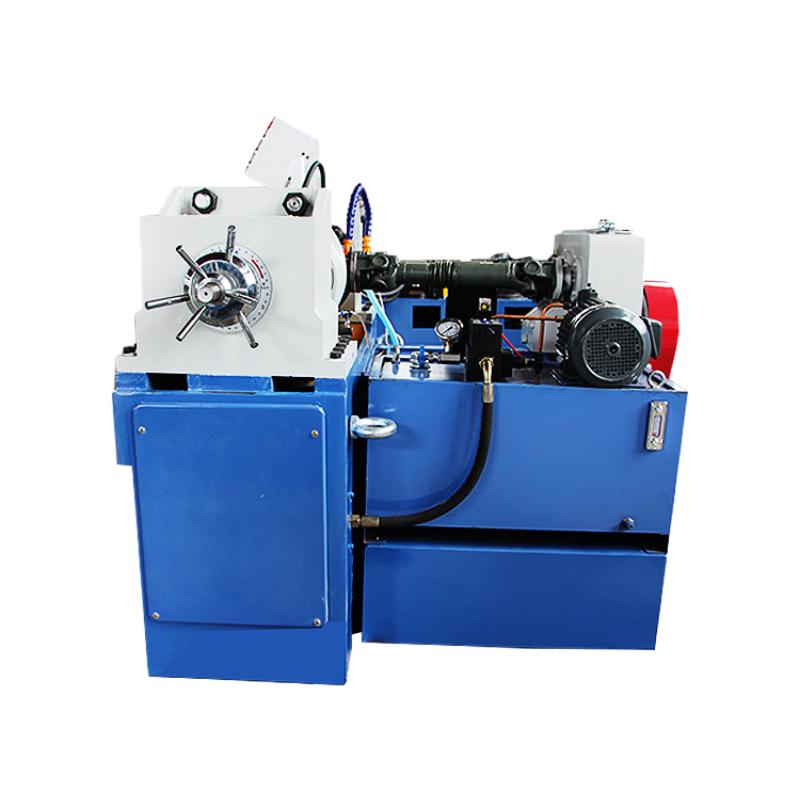
The hydraulic thread rolling machine continues to be a cornerstone for heavy-duty applications and larger diameter threads. Recent trends focus on enhancing hydraulic system efficiency and control. Proportional hydraulic valves and advanced servohydraulic systems offer finer control over rolling pressure and feed rates, leading to superior thread quality and reduced material stress. These machines are increasingly equipped with sophisticated diagnostic capabilities, allowing operators to fine-tune parameters for optimal performance across a wide range of materials, including high-strength alloys and exotic metals, thereby extending the life of the thread rolling tool.
Overall, the industry is moving towards greater automation, digital integration, and material versatility, ensuring that thread rolling remains a highly efficient and critical process for producing high-integrity threaded components.
Technical Specifications and Parameters of Thread Rolling Tools
The performance and suitability of a thread rolling tool for a specific application are defined by a range of critical technical parameters. Understanding these specifications is essential for selecting the correct tool and achieving optimal thread quality and tool life.
Key Parameters for Thread Rolling Tools
| Parameter | Description | Typical Range/Value |
|---|---|---|
| Material | Composition of the tool, dictating hardness and wear resistance. | D2 Tool Steel, M2 HSS, ASP 23, Carbide Grades |
| Hardness | Resistance to indentation and wear post-heat treatment. | 60-64 HRC (for steel tools), 88-92 HRA (for carbide) |
| Thread Profile | Standard (e.g., Metric, Unified, Whitworth) or custom geometries. | M, UNC, UNF, BSW, ACME, Trapezoidal |
| Pitch Range | The distance between corresponding points on adjacent threads. | 0.25mm to 6.0mm (Metric), 8 to 80 TPI (Imperial) |
| Diameter Range | The range of workpiece diameters the tool can roll. | 1mm to 100mm+ |
| Helix Angle | Angle of the thread spiral relative to the tool axis. | Typically 1.5° to 3° (matched to workpiece) |
| Surface Coating | Applied layer for enhanced wear resistance and reduced friction. | TiN, TiCN, AlTiN, CrN, DLC (Diamond-Like Carbon) |
| Tolerance Class | Precision of the manufactured thread, e.g., 6g for metric external threads. | ISO 6g, 6h; ANSI 2A, 3A |
The selection of the appropriate tool material and coating is often dictated by the workpiece material, the required thread precision, and the desired production volume. For instance, an thread rolling tool made from ASP 23 with an AlTiN coating will offer superior performance and tool life when rolling high-tensile stainless steels compared to an uncoated D2 tool.
Application Scenarios Across Key Industries
The versatility and inherent strength advantages of threads formed by a thread rolling tool make them indispensable across a multitude of industrial sectors. From high-stress automotive components to critical aerospace fasteners, the reliability of cold-formed threads is often a non-negotiable requirement.
Automotive and Transportation
- Fasteners: Bolts, studs, and screws used in engine assemblies, chassis components, and suspension systems benefit from the enhanced fatigue strength and wear resistance provided by rolled threads. This is crucial for safety-critical parts subjected to dynamic loads.
- Transmission Components: Shafts and gears often feature rolled threads to withstand high torque and cyclic stresses, preventing premature failure.
Aerospace and Defense
- High-Strength Fasteners: Bolts and studs in aircraft structures, engine mounts, and landing gear demand exceptional strength-to-weight ratios and fatigue life. Rolled threads significantly outperform cut threads in these highly demanding applications due to the optimized grain flow.
- Specialized Components: Threaded shafts for control systems and actuators require precise, defect-free threads, which are consistently achieved with quality thread rolling tools.
Petrochemical, Metallurgy, and Energy
- Pipeline Flanges and Connectors: Components operating under high pressure and corrosive environments (e.g., oil & gas extraction, chemical processing) benefit from threads with improved surface finish and resistance to stress corrosion cracking.
- Structural Bolting: Heavy-duty bolts used in steel structures, mining equipment, and power generation facilities where robustness and longevity are critical.
Medical Devices
- Implants and Instruments: Precision threads in bone screws, surgical instruments, and prosthetic components require extremely high surface integrity and biocompatibility, areas where rolled threads excel.
Water Supply & Drainage and Construction
- Rebar and Anchor Bolts: Large diameter reinforcing bar (rebar) and anchor bolts for civil engineering projects often feature rolled threads for enhanced structural integrity and seismic resistance.
- Pipe Fittings: Durable and leak-proof connections in water infrastructure and plumbing systems.
In each of these sectors, the utilization of a meticulously engineered thread rolling tool translates directly into improved product safety, extended service life, and reduced maintenance costs for the end-user, showcasing significant advantages in typical application scenarios like corrosion resistance and enhanced structural integrity.
Technical Advantages of Thread Rolling and Tooling
The advantages of thread rolling over traditional thread cutting methods are substantial, offering superior mechanical properties, increased efficiency, and significant cost savings. These benefits are directly attributable to the quality and design of the thread rolling tool itself.
Enhanced Material Properties
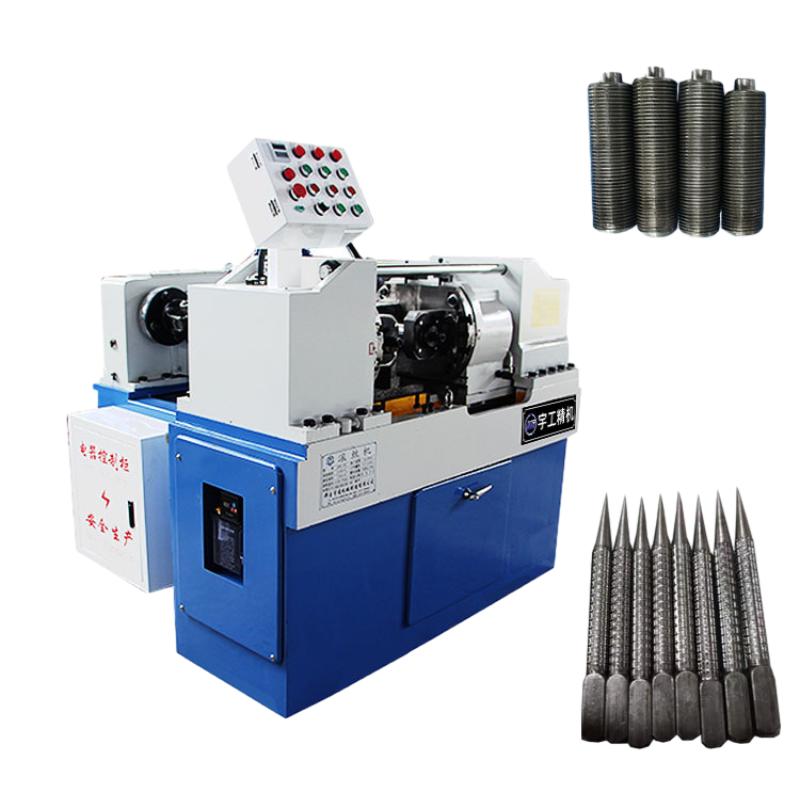
- Improved Tensile and Shear Strength: Unlike cutting, which severs material grain lines, thread rolling deforms and compresses the material, preserving and aligning the grain structure. This cold working process increases the material's density in the thread roots and flanks, leading to higher tensile, shear, and yield strengths.
- Superior Fatigue Resistance: The cold working also induces compressive residual stresses on the thread surface, especially at the root (the most critical area for fatigue failure). These compressive stresses resist crack initiation and propagation, dramatically improving the fatigue life of the threaded component. This is particularly vital for safety-critical applications in automotive and aerospace industries.
- Work Hardening: The plastic deformation during rolling results in work hardening of the thread surface, increasing its micro-hardness and wear resistance without the need for additional heat treatments on the workpiece.
Enhanced Thread Quality and Surface Finish
- Mirror-Smooth Surface Finish: The rolling action burnishes the thread flanks, resulting in a superior, polished surface finish (Ra values often less than 0.8 µm). This smooth finish reduces friction, prevents galling, and improves corrosion resistance.
- Precision and Consistency: High-quality thread rolling tool designs ensure exceptional thread profile accuracy and pitch consistency from component to component. This consistency is vital for assembly and interchangeability.
- No Material Loss (Chip-less Process): Since no material is removed, there are no chips to dispose of, making it a cleaner and more environmentally friendly process. It also eliminates potential stress risers caused by tool marks or tears associated with cutting.
Operational and Economic Benefits
- High Production Rates: Thread rolling is a remarkably fast process, significantly outpacing thread cutting methods, especially for mass production, reducing cycle times and increasing throughput.
- Extended Tool Life: Modern thread rolling tools, fabricated from advanced materials and coated with wear-resistant layers, offer extended service life, reducing tooling changeovers and associated downtime.
- Material Savings: With no material removal, thread rolling saves material compared to cutting, especially for materials where the blank diameter is slightly less than the major diameter of the finished thread.
- Versatility: Suitable for a wide range of ductile materials, from mild steels and stainless steels to aluminum, brass, and even some high-strength alloys.
These advantages underscore why thread rolling, when executed with a precisely engineered thread rolling tool, is the preferred method for producing high-integrity, durable, and cost-effective threaded components across demanding industries.
Vendor Comparison and Customized Solutions
Choosing the right supplier for a thread rolling tool is a strategic decision that impacts production efficiency, product quality, and long-term operational costs. Key differentiators among vendors include their expertise, manufacturing capabilities, and ability to provide tailored solutions.
Criteria for Vendor Selection
- Material Expertise: A leading vendor possesses deep knowledge of various tool steel grades (e.g., D2, M2, ASP series) and carbide, understanding their optimal application based on workpiece material and desired tool life.
- Precision Manufacturing Capabilities: Look for vendors with advanced CNC grinding, EDM, and heat treatment facilities that can consistently achieve tight tolerances (e.g., ±0.005mm) on thread profiles and geometric accuracy.
- Quality Certifications and Compliance: Adherence to international standards like ISO 9001 (Quality Management System) is non-negotiable. Certifications for specific industries (e.g., AS9100 for aerospace) further indicate a commitment to stringent quality.
- R&D and Innovation: Suppliers who invest in research and development often offer the latest advancements in tool coatings (e.g., DLC for reduced friction) and thread profile optimization for challenging materials.
- After-Sales Support: Comprehensive technical support, re-grinding/re-coating services, and training are crucial for maximizing tool investment and minimizing downtime.
Customized Thread Rolling Tool Solutions
While standard thread rolling tools cover a wide range of applications, many projects require bespoke solutions. Customization capabilities are a hallmark of a truly expert vendor.
- Non-Standard Thread Forms: For unique thread geometries, multi-start threads, or specialized lead angles required in industries like medical or aerospace.
- Exotic Workpiece Materials: Developing tools optimized for rolling tough materials such as Inconel, Titanium alloys, or other superalloys requires specific tool material, coating, and profile adjustments.
- Machine-Specific Adaptations: Custom tools may be designed to seamlessly integrate with specific flat die thread rolling machine, small thread rolling machine, or hydraulic thread rolling machine models, ensuring optimal setup and performance.
- Optimized for Performance: Custom tools can be designed to achieve specific performance metrics, such as extended tool life in high-volume production or extremely tight tolerance requirements for critical components. This often involves iterative design and testing phases.
- Prototyping and Small Batch Production: For R&D projects or low-volume specialized components, a vendor capable of producing custom tools quickly and cost-effectively is invaluable.
A vendor's ability to engage in collaborative design and offer rapid prototyping for custom thread rolling tools can be a significant competitive advantage, enabling manufacturers to tackle complex challenges and innovate in their product offerings.
Application Case Studies: Proving Performance
Real-world application demonstrates the tangible benefits of high-quality thread rolling tools and processes. These case studies highlight how precision tooling translates into operational excellence and superior product outcomes.
Case Study 1: Automotive Engine Bolt Production
A leading automotive OEM faced challenges with fatigue failures in engine block bolts produced via thread cutting. The existing process resulted in micro-cracks at thread roots, compromising long-term reliability. By transitioning to a dedicated hydraulic thread rolling machine equipped with custom-designed D2 tool steel thread rolling tools (with TiCN coating), they observed significant improvements. Test data indicated a 35% increase in fatigue life and a 20% improvement in tensile strength of the rolled bolts compared to cut threads. This change not only enhanced product safety and longevity but also reduced warranty claims related to fastener failure.
Case Study 2: Medical Device Mini-Screw Manufacturing
A manufacturer of orthopedic implants required ultra-precise, burr-free threads on titanium alloy mini-screws (M1.2 x 0.25 pitch). Traditional machining struggled with consistent surface finish and material galling. Implementing a specialized small thread rolling machine with highly polished, micro-grain carbide thread rolling tools (featuring a biocompatible DLC coating) solved these issues. The new process achieved a surface roughness (Ra) of
Case Study 3: High-Volume Construction Rebar Threading
A construction materials supplier needed to thread large quantities of high-strength rebar (up to 40mm diameter) for seismic-resistant structures. The prior method of cold cutting and welding was slow and inconsistent. By adopting a robust flat die thread rolling machine and robust M2 HSS thread rolling tools, the company dramatically improved efficiency. Production output increased by 500%, and the fatigue strength of the threaded rebar connections exceeded international building codes by a significant margin. The cold-formed threads exhibited superior resistance to stress concentrations, critical for earthquake-prone regions.
These case studies illustrate the profound impact that investing in quality thread rolling technology and tooling can have on product integrity, operational efficiency, and competitive advantage across diverse industries.
: Trustworthiness and Support
Building long-term partnerships in the B2B sector relies on trust, expertise, and unwavering support. We are committed to upholding the highest standards of (Expertise, Experience, Authoritativeness, Trustworthiness) in every aspect of our service.
Frequently Asked Questions (FAQ)
-
Q: What materials can your thread rolling tool process?
A: Our thread rolling tools are designed to process a wide range of ductile materials, including various grades of steel (carbon, alloy, stainless), aluminum, brass, copper, and certain exotic alloys like titanium and Inconel. Specific tool selection depends on the workpiece material's tensile strength and ductility. -
Q: How do I select the correct thread rolling tool for my application?
A: Selection depends on several factors: workpiece material, desired thread profile (e.g., M, UNC, UNF), thread pitch, nominal diameter, and the type of thread rolling machine. Our technical support team can provide expert guidance based on your specific requirements. -
Q: What is the typical service life of your thread rolling tools?
A: Service life varies significantly based on workpiece material, lubrication, machine condition, and operating parameters. However, with our high-grade materials and advanced coatings, customers typically report significantly extended tool life compared to industry averages, often achieving hundreds of thousands to millions of threads before requiring regrinding or replacement. -
Q: Can you provide customized thread rolling tools?
A: Absolutely. We specialize in customized solutions for non-standard thread forms, unique material requirements, or specific machine adaptations. Our engineering team works closely with clients from concept to production to ensure optimal tooling for their specialized needs.
Lead Time & Fulfillment
Standard thread rolling tools are typically available for dispatch within 3-5 business days, subject to stock levels. For customized tooling, lead times are quoted individually based on complexity, material availability, and current production schedules, usually ranging from 3-6 weeks. We utilize robust supply chain logistics to ensure timely and reliable delivery.
Warranty Commitments
All our thread rolling tools come with a standard 12-month warranty against manufacturing defects in material and workmanship, provided they are used under specified operating conditions. This commitment reflects our confidence in the quality and durability of our products. Detailed warranty terms are available upon request.
Customer Support and Technical Assistance
Our dedicated customer support team and experienced technical engineers are available to assist with tool selection, application optimization, troubleshooting, and maintenance guidance. We offer comprehensive after-sales support, including training programs, re-grinding and re-coating services for extended tool life, and prompt spare parts availability, ensuring maximum uptime and efficiency for your operations. We pride ourselves on rapid response times and expert advice to ensure your success.
Conclusion
The selection and application of a high-quality thread rolling tool are foundational to achieving superior threaded component performance, operational efficiency, and long-term cost savings in modern manufacturing. From the meticulous material selection and advanced machining processes to the rigorous quality control, every stage of tool production is designed to ensure unparalleled precision and durability. As industries continue to demand higher standards for strength, fatigue resistance, and surface finish, thread rolling technology, supported by advanced tooling, remains an indispensable cold-forming method. Investing in expertly engineered thread rolling solutions provides a significant competitive advantage, guaranteeing the integrity and reliability of critical components across diverse and demanding sectors.
Authoritative References
- American Society of Mechanical Engineers (ASME). ASME B1.1-2003: Unified Inch Screw Threads (UN and UNR Thread Form). New York, NY: ASME.
- International Organization for Standardization (ISO). ISO 68-1:1998: ISO general-purpose screw threads - Basic profile - Part 1: Metric screw threads. Geneva, Switzerland: ISO.
- ASM International. (2008). Heat Treating, Volume 4D. ASM Handbook. Materials Park, OH: ASM International.
- Kalpakjian, S., & Schmid, S. R. (2014). Manufacturing Engineering and Technology (7th ed.). Upper Saddle River, NJ: Pearson Education.
- Totten, G. E. (2007). Steel Heat Treatment: Metallurgy and Technologies. Boca Raton, FL: CRC Press.